Travel guide
Nepal Travel Guide
A practical Nepal travel guide for travelers who want more than a checklist: destinations, route flow, seasons, altitude, transport, safety, and local travel rhythm.
- Gateway city
- Kathmandu
- Soft-adventure base
- Pokhara
- Wildlife base
- Chitwan
- Mountain regions
- Everest, Annapurna
Complete guide
Nepal Travel Guide planning advice
How To Use This Nepal Travel Guide
The best Nepal travel guide is not a rigid checklist. It is a decision framework for choosing the right route, season, pace, and level of adventure.
Nepal looks small on a map, but travel time can be larger than expected because of mountains, road conditions, weather, festival traffic, domestic flight delays, and altitude. Good planning starts by deciding what kind of trip you want: cultural immersion, trekking, wildlife, spiritual travel, scenic rest, food, photography, adventure sports, or a balanced first visit. Once that is clear, destinations become easier to sequence.
Most travelers arrive in Kathmandu. Treat it as more than a transit city. Kathmandu Valley holds many of Nepal’s most important cultural experiences, including old royal squares, Buddhist stupas, Hindu temples, craft neighborhoods, food lanes, and day trips to Patan, Bhaktapur, and nearby viewpoints. After Kathmandu, the route usually moves toward Pokhara, Chitwan, Lumbini, Everest, Annapurna, Langtang, Mustang, or a combination of these depending on time.
A practical Nepal travel plan should also include recovery. It is tempting to book early starts every day, but Nepal rewards slower windows: a morning when the mountains clear, an extra hour in a courtyard, a flexible transfer day, or a rest stop after a long road journey. The Smart Route Planner can help compare routes, but the core principle is simple: do fewer regions better.
Where To Go In Nepal
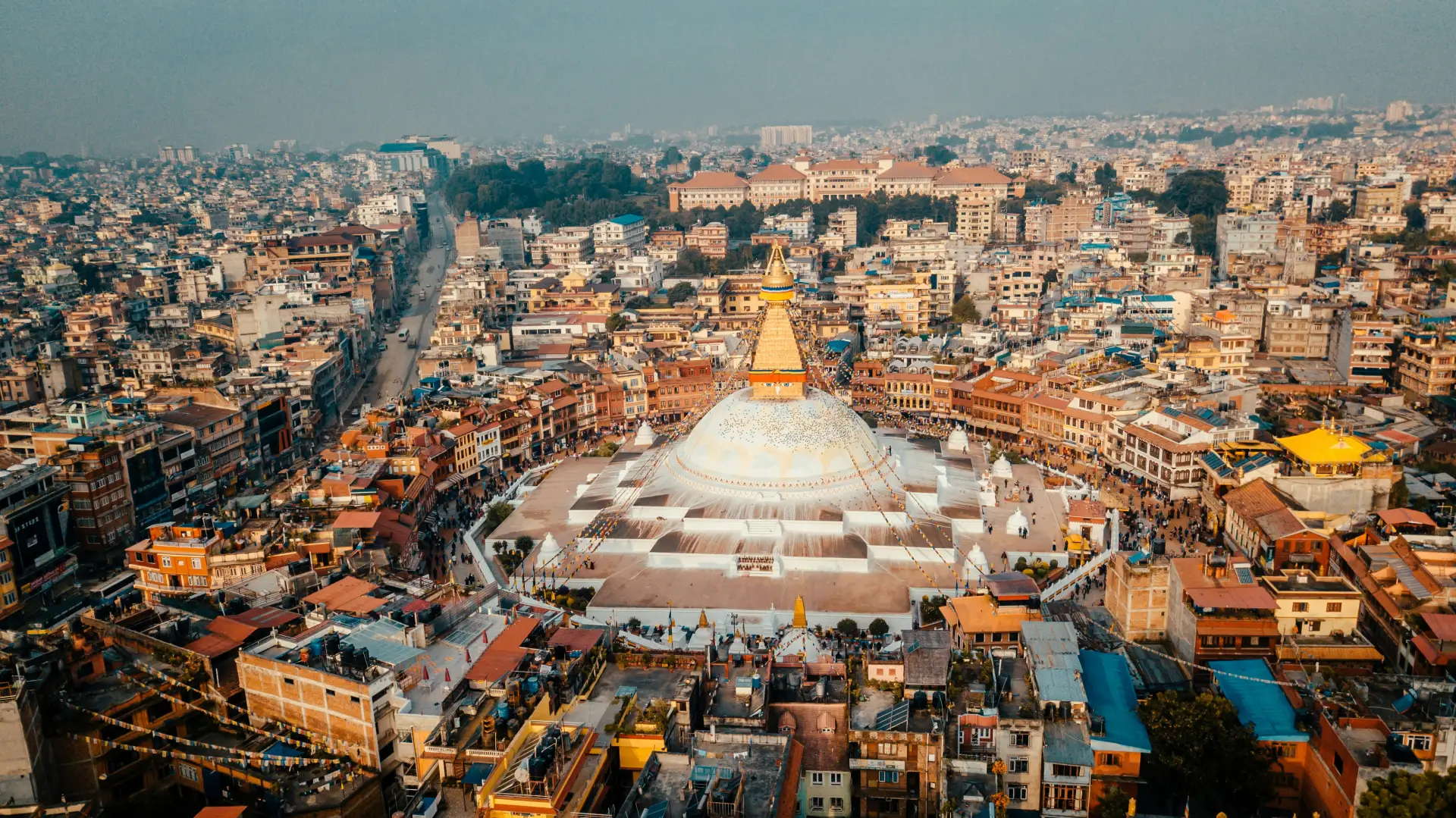
Kathmandu is the cultural and logistical center. It is where many travelers arrange permits, guides, transport, SIM cards, cash, gear, and first-night recovery. The Kathmandu Valley is also one of the best areas in Nepal for travelers with limited time because heritage sites are dense and varied. You can build a trip around Kathmandu, Patan, Bhaktapur, Boudhanath, Swayambhunath, Pashupatinath, food walks, and short hill escapes without needing high-altitude travel.
Pokhara is the easiest place to slow down while still feeling close to the Himalaya. It works as a gateway to Annapurna treks, but it is also valuable for travelers who want lake views, short hikes, sunrise viewpoints, caves, waterfalls, paragliding, and a more relaxed travel rhythm. Many Nepal itineraries feel better when Pokhara is placed after a more intense Kathmandu or trekking segment.
Chitwan National Park is the most accessible wildlife destination for a first Nepal trip. It brings the Terai lowlands into the itinerary, with guided jungle activities, birdwatching, river landscapes, Tharu cultural context, and a warm climate that contrasts strongly with the hills. Everest and Annapurna are Nepal’s major mountain magnets. Everest is iconic and altitude-focused; Annapurna is flexible, varied, and often easier to combine with Pokhara.
First-time route
Kathmandu, Chitwan, and Pokhara create a balanced route with heritage, wildlife, lakeside rest, and mountain views.
Mountain-focused route
Build around Everest, Annapurna, Langtang, Mardi Himal, or Mustang, then add Kathmandu and Pokhara only where they support the trek.
Culture-focused route
Stay longer in Kathmandu Valley, add Bandipur or Janakpur, and use local guides for deeper context at living heritage sites.
Best Time To Travel In Nepal
The best time to visit Nepal depends on what you want to do. October and November are widely favored because post-monsoon skies are often clearer, temperatures are comfortable in many regions, and trekking routes are active. March and April are another strong window, especially for spring trekking, rhododendron forests, warmer days, and long daylight. These months are popular for good reason, so plan ahead for guides, lodging, and internal travel.
Winter can be excellent for Kathmandu, Pokhara, Chitwan, Lumbini, and lower-elevation travel, but high treks are colder and some routes can be affected by snow. Summer and monsoon bring rain, cloud, leeches on some trails, road disruptions, and reduced mountain visibility, yet they can still work for cultural travel, lush landscapes, photography, and selected rain-shadow routes such as parts of Mustang when conditions allow.
Do not choose dates only from a generic weather chart. Nepal changes by elevation. A warm day in Chitwan can overlap with cold conditions in high mountain areas. A cloudy morning in Pokhara may still clear later. A route that is comfortable for city travel may be unsuitable for a high pass. Match the month to the region and then verify current local conditions close to departure.
Transport, Safety, Permits, And Pacing
Transport is one of the biggest differences between a good Nepal itinerary and a stressful one. Tourist buses, private vehicles, domestic flights, jeeps, short hikes, and trekking routes can all be part of the same trip. Roads may be scenic but slow. Mountain flights can be weather-dependent. Remote routes can require permits, guide arrangements, and backup days. For this reason, every Nepal travel guide should treat transfer days as part of the experience, not empty space between attractions.
Safety planning is practical rather than dramatic. Carry travel insurance that fits your activities, especially if trekking. Understand altitude symptoms before heading high. Use licensed guides for remote treks, complex permits, and wildlife activities. Keep copies of documents. Confirm current entry, permit, park, and route requirements before you go, because local rules and access details can change.
Pacing matters most. A traveler who spends three calm nights in Kathmandu, two in Chitwan, and three in Pokhara may understand Nepal better than someone who checks off eight places in the same time. Build your itinerary around energy, not only distance.
Sample Nepal Itinerary Ideas
A seven-day Nepal itinerary should stay focused. One useful version is Kathmandu for arrival and heritage, Chitwan for wildlife, and Pokhara for lake time and mountain views. This route gives variety without pretending that Nepal can be fully covered in a week. Another seven-day option is Kathmandu and Pokhara only, with more time for Patan, Bhaktapur, Sarangkot, lakeside walks, and a short hike or village visit.
A ten-day Nepal itinerary can breathe. Add an extra Kathmandu Valley day, slow down in Pokhara, spend two nights in Chitwan, or include a short Annapurna-area trek if conditions and fitness fit. With fourteen days, the trip can become more intentional: a trek plus Kathmandu and Pokhara, a culture-and-wildlife loop, or a deeper route into Mustang, Langtang, Bandipur, Lumbini, or Bardia.
Avoid building an itinerary from attraction names alone. Start with your travel style, then choose the route. A photographer may want dawn viewpoints and slower light. A family may need shorter transfer days. A trekker needs acclimatization and recovery. A culture-focused traveler may prefer fewer destinations and better guides. The strongest Nepal travel guide is the one that helps you say no to the wrong stops.
Balanced first trip
Kathmandu, Chitwan, and Pokhara with one buffer day if possible.
Slow scenic trip
Kathmandu and Pokhara with day trips, viewpoints, food, and short walks.
Nepal Travel Guide planning sections
Start with route logic
Nepal rewards thoughtful pacing. Most first trips work best when Kathmandu arrival, Chitwan wildlife, Pokhara lake time, and mountain viewpoints are sequenced around travel days and road conditions.
Match travel style to region
Choose the Kathmandu Valley for culture, Pokhara for soft adventure, Chitwan National Park and Bardia National Park for wildlife, Everest and Annapurna for trekking, and Lumbini for spiritual travel.
Travel FAQ
Common questions about nepal travel guide
What is the best first route for Nepal travel?
Kathmandu, Chitwan, and Pokhara make a strong first Nepal route because they combine culture, wildlife, lakeside rest, food, and mountain views without forcing high-altitude trekking.
How many days should I plan for Nepal?
A 7 to 10 day Nepal itinerary works well for a first trip. Add more days for Everest, Annapurna, Mustang, Langtang, Rara, or any route with high altitude or long road travel.
Is Nepal easy to travel independently?
Many city, lake, and lowland routes can be planned independently, but remote treks, high-altitude routes, wildlife activities, and permit-heavy regions are better handled with licensed local support.