Nepal travel planning
Visit Nepal
Visit Nepal with a route-first plan that connects heritage cities, Himalayan viewpoints, wildlife parks, trekking regions, local food, and realistic travel days.
- Best first route
- Kathmandu, Chitwan, Pokhara
- Classic duration
- 7 to 14 days
- Strong seasons
- Oct-Nov and Mar-Apr
- Planning focus
- Pace, weather, altitude
Complete guide
Visit Nepal planning advice
Why Visit Nepal Now
Nepal is one of the rare travel destinations where a compact trip can feel culturally dense, geographically dramatic, and personally spacious at the same time.
To visit Nepal well, think beyond a list of famous places. The country is shaped by elevation, weather, road time, festivals, flight reliability, and the physical rhythm of moving from valley cities to lowland parks or Himalayan trailheads. A strong Nepal itinerary respects that rhythm. It does not try to force every mountain, temple, safari, and old town into a single sprint. It chooses a clear route, leaves room for recovery, and connects each place for a reason.
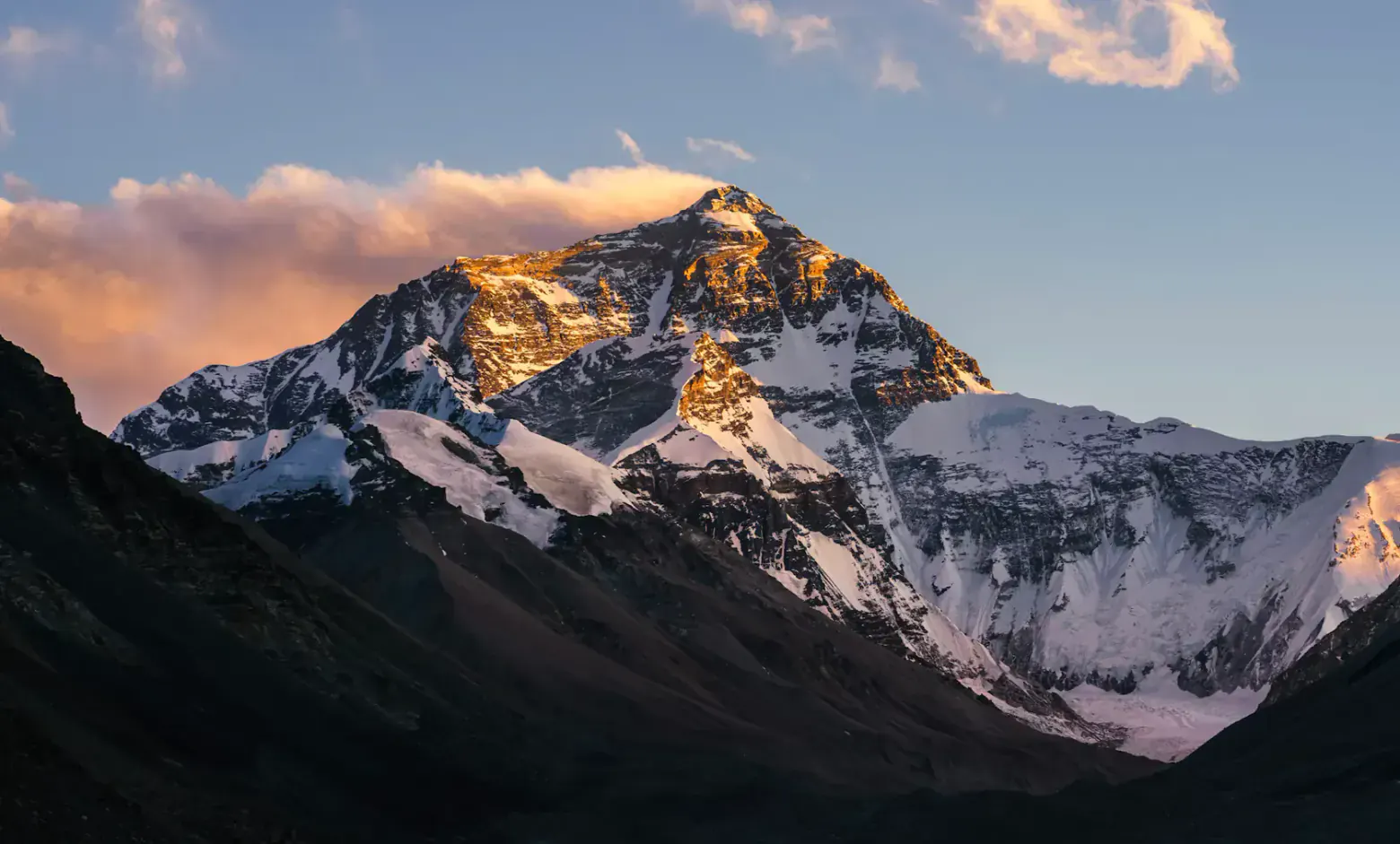
For many travelers, Kathmandu is the natural entry point. It gives immediate context through courtyards, shrines, food streets, markets, Buddhist stupas, Hindu temples, and old royal squares. From there, Nepal opens in several directions. West toward Pokhara, the pace softens around Phewa Lake, sunrise viewpoints, caves, hill walks, and gateway routes into the Annapurna region. South toward Chitwan, the landscape changes into warm plains, river edges, sal forests, grasslands, and wildlife-focused travel. North and east toward Everest, the trip becomes more weather-sensitive and altitude-aware.
The reason Nepal keeps returning to travelers' imaginations is not only Mount Everest. It is the contrast between small daily details and enormous landscapes: tea on a terrace, prayer flags above a pass, a canoe on a slow river, a Newari lunch after a temple walk, a road that climbs from humid plains into cool hills. Visit Nepal with that range in mind and the trip becomes easier to shape.
Who Nepal is best for
Nepal suits trekkers, cultural travelers, photographers, wildlife watchers, spiritual travelers, food-curious visitors, families with realistic pacing, and repeat travelers who want deeper regional routes.
Who should plan extra carefully
Travelers with tight flight connections, limited mobility, altitude concerns, monsoon-season plans, or remote trekking goals should add buffer days and verify transport, trail, weather, and permit details close to departure.
Best Places To Visit In Nepal For A First Trip
A high-quality first visit usually combines three kinds of Nepal: living heritage, nature or wildlife, and mountain atmosphere. Kathmandu gives the strongest cultural base. The city can feel intense on arrival, but it rewards travelers who slow down and explore neighborhoods instead of treating it as only an airport stop. Kathmandu Durbar Square, Swayambhunath, Boudhanath, Pashupatinath, Patan, and Bhaktapur each reveal a different side of the valley. The best approach is to group nearby places and avoid overloading a single day.
Pokhara is the country’s most useful soft-landing destination after Kathmandu. It works for lakeside rest, easy viewpoints, paragliding, food, short hikes, caves, waterfalls, and access to Annapurna trekking routes. It is also one of the best places to recover after a trek because the daily rhythm is simpler. Travelers who do not want a full trek can still get mountain views from Sarangkot, the Peace Pagoda, Pumdikot, or nearby hill villages when weather cooperates.
Chitwan National Park adds a completely different Nepal. The lowlands are warm, flat, and river-shaped, with guided activities focused on wildlife, birding, Tharu culture, forest edges, and responsible park travel. It pairs naturally with Kathmandu and Pokhara because it breaks up the mountain-city pattern. Everest and Annapurna are the major Himalayan anchors. Everest carries the highest symbolic pull, while Annapurna often gives more flexible route options for different fitness levels and trip lengths.
How Many Days You Need To Visit Nepal
Seven days is enough for a focused introduction, but not enough for everything. A sensible seven-day Nepal trip might cover Kathmandu, Chitwan, and Pokhara with careful transfers. Ten days feels better because it allows slower sightseeing, a buffer day, and a more comfortable shift between regions. Two weeks opens space for a short trek, a deeper Kathmandu Valley stay, or a more relaxed wildlife and lake route.
If Everest Base Camp, Annapurna Base Camp, Manaslu, Langtang, or other trekking goals are central to the trip, the itinerary should be built around the trek first. High-altitude routes need acclimatization, rest days, possible weather delays, and recovery time. Domestic flights to mountain airstrips and long mountain roads can be affected by weather, so a plan that looks efficient on a map can become stressful when every hour is pre-booked.
For a general Visit Nepal itinerary, route order matters. Many travelers prefer Kathmandu first, then Chitwan, then Pokhara, then back to Kathmandu. Others go Kathmandu to Pokhara first if mountains are the priority. The best route depends on arrival time, travel month, fitness, road tolerance, and whether trekking or wildlife is the main purpose.
7 days
Use a compact Kathmandu, Chitwan, and Pokhara route, or stay in Kathmandu and Pokhara only if you want a slower, more scenic trip.
10 to 14 days
Add a short trek, more Kathmandu Valley heritage, extra Pokhara days, or a calmer Chitwan stay with room for transport delays.
Responsible Travel Notes Before You Go
Responsible travel in Nepal begins with realistic expectations. Roads can be slow, weather can change quickly, and mountain regions require humility. Choose licensed guides where routes, permits, altitude, or wildlife safety make expert support important. Respect sacred sites by dressing modestly, following local rules, and asking before photographing people or ceremonies. In wildlife areas, keep distance and avoid operators that encourage unsafe animal contact.
Nepal’s best trips often depend on local knowledge: when to start a road journey, which viewpoints are clear in a given season, how to pace a temple day, where a route needs a buffer, and when a trek should be adjusted. Use online planning as a starting point, then verify current conditions with local operators, official counters, hotels, guides, and recent traveler updates before paying for expensive commitments.
What To Book Before You Visit Nepal
Book the parts of the trip that create real risk if they fail: arrival accommodation, major trekking guide support, restricted-area permits, peak-season internal flights, and any route where timing depends on a narrow weather window. Leave simpler city meals, short taxi hops, neighborhood walks, and flexible rest time open where possible. Nepal is easier to enjoy when the important anchors are secure but the daily schedule still has space to breathe.
For trekking, confirm what is included in writing: guide or porter services, permits, accommodation expectations, meals, transport, emergency support, cancellation terms, and what happens if weather changes the route. For wildlife, choose licensed park guides and ask how activities are conducted. For cultural guiding, match the guide to the place: a Kathmandu Valley heritage guide can add context that a generic transfer driver cannot.
Travelers visiting Nepal for the first time should also prepare small practical systems before arrival. Keep passport copies offline, carry a payment backup, understand local SIM options, pack layers for elevation changes, and avoid scheduling an international departure immediately after a mountain flight or long remote transfer. These details are not glamorous, but they protect the trip.
Visit Nepal planning sections
Start with Nepal's classic travel triangle
A first visit to Nepal is easiest to plan around Kathmandu for arrival and heritage, Chitwan for lowland wildlife, and Pokhara for lakeside recovery and Himalayan views.
Add mountains when your schedule allows
Everest and Annapurna can be short scenic extensions or full trekking commitments. Build in weather flexibility, acclimatization, and recovery days before booking a tight route.
Travel FAQ
Common questions about visit nepal
What is the best itinerary for a first visit to Nepal?
Kathmandu, Chitwan, and Pokhara make the strongest first Nepal itinerary for many travelers because the route combines culture, wildlife, lake time, food, mountain views, and manageable travel days.
Is Nepal good for travelers who do not trek?
Yes. Nepal is excellent for non-trekkers through Kathmandu Valley heritage, Pokhara viewpoints, Chitwan wildlife, Lumbini, Bandipur, food walks, festivals, road trips, and short scenic hikes.
How many days should I spend in Nepal?
Plan 7 to 10 days for a first overview, 10 to 14 days for a more comfortable route, and longer if Everest, Annapurna, Manaslu, Mustang, or remote trekking is part of the trip.