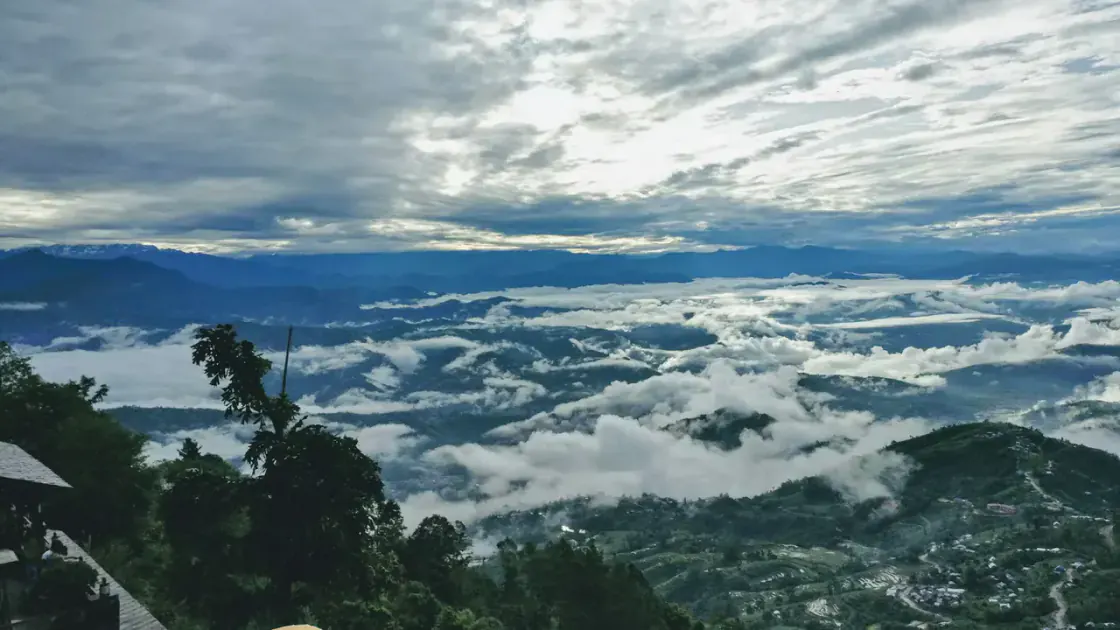
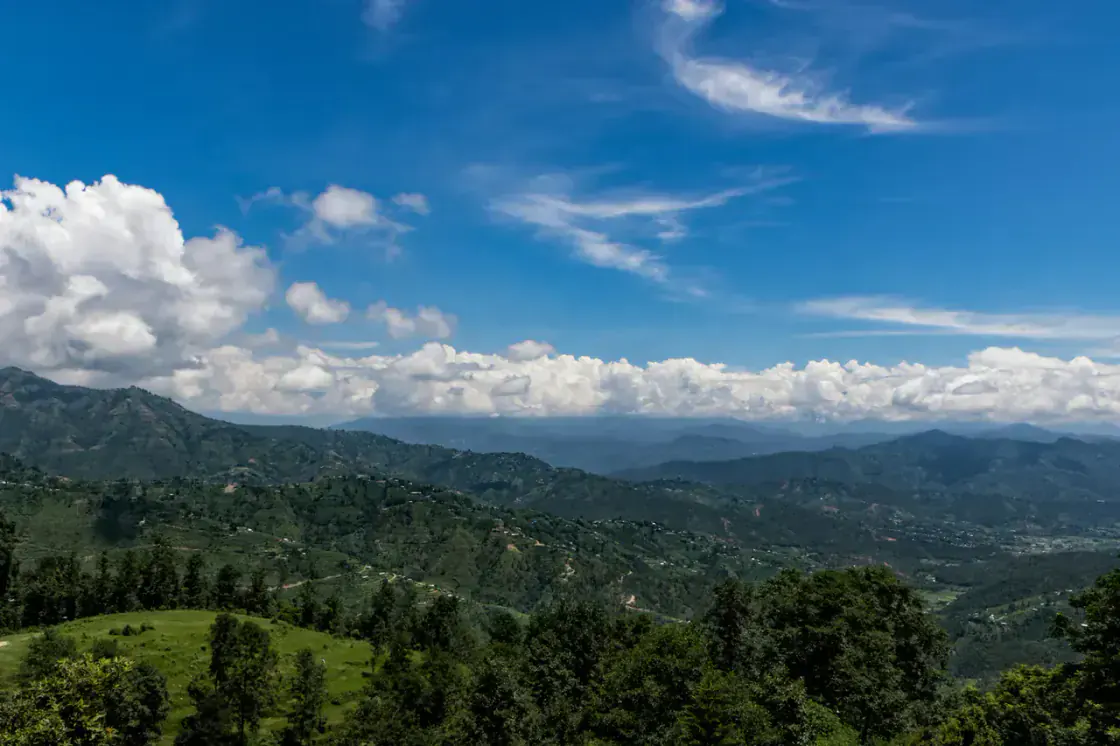
Lumbini sacred garden and monastic landscape in Nepal

Lumbini, Nepal

Birthplace of Lord Buddha

Lumbini is the birthplace of Siddhartha Gautama, a UNESCO World Heritage Site, and one of the world's most meaningful Buddhist pilgrimage destinations.

Best season

October to March

Recommended stay

1-2 peaceful days

Travel style

Spiritual, heritage, slow travel

Heritage status

UNESCO World Heritage Site

What Lumbini offers

A destination shaped by sacred memory, quiet roads, and global Buddhist culture.

Lumbini is not built for fast sightseeing. It asks visitors to slow down around the birthplace site, monasteries, gardens, ponds, and architectural details that carry centuries of meaning.

Sacred Historical Sites

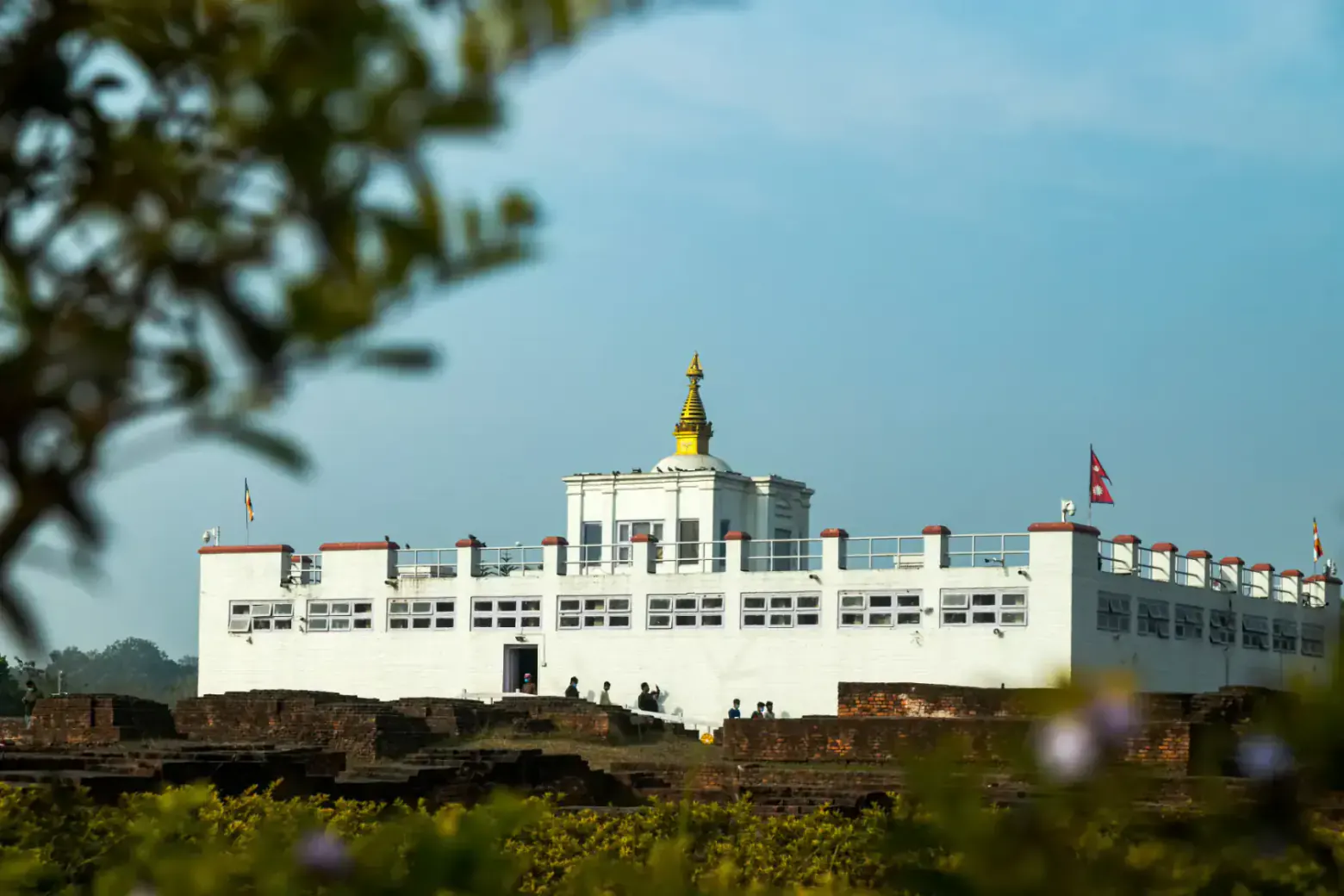
The Sacred Garden, Maya Devi Temple, Ashoka Pillar, and archaeological remains give Lumbini a quiet historical gravity.

International Monasteries

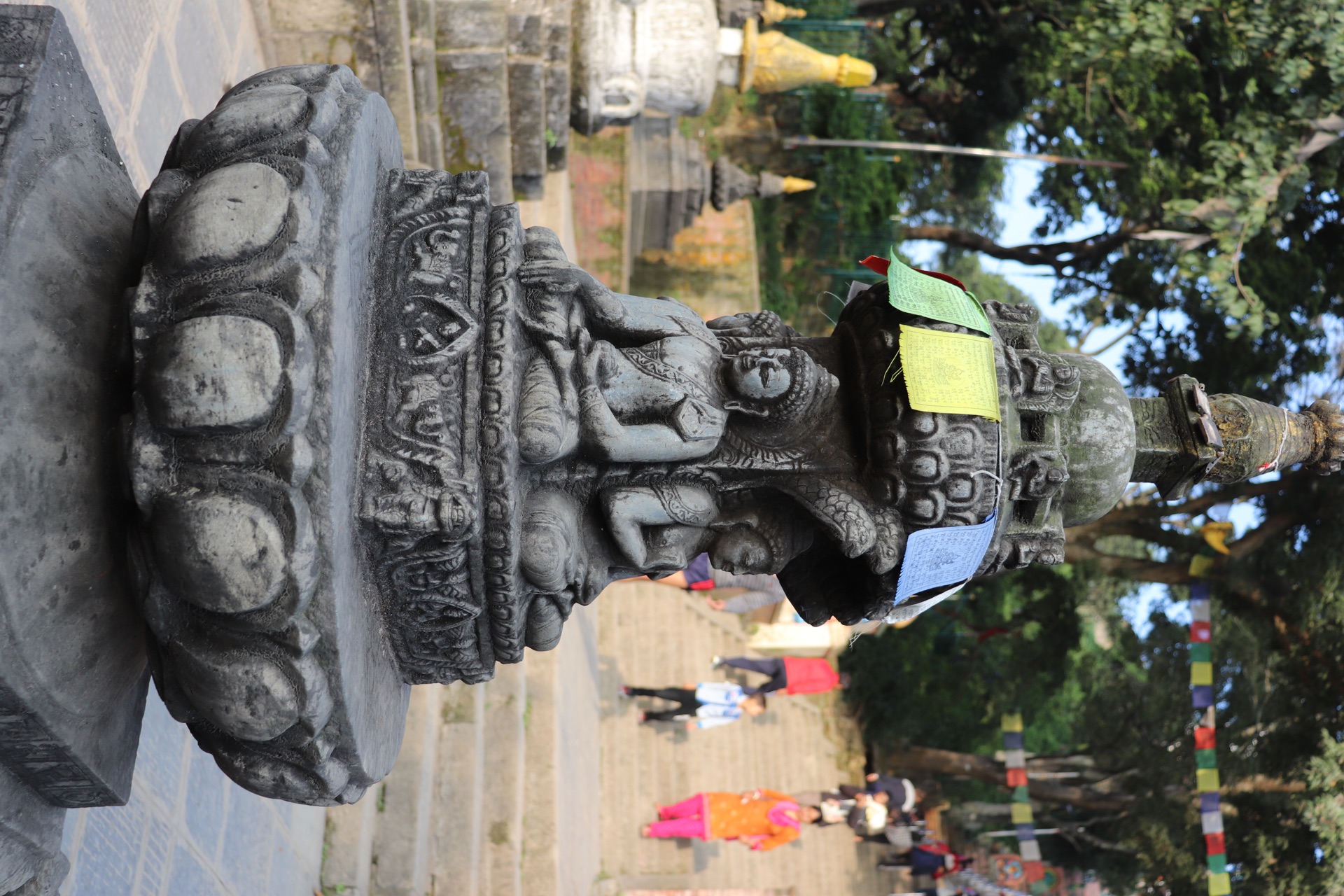
Monasteries from different countries make the area feel like a living map of Buddhist culture, architecture, and devotion.

Slow Walking And Cycling

The landscape is wide and calm. Walk, cycle, pause under trees, and let the site reveal itself slowly.

Meditation Atmosphere

Lumbini is strongest when visitors leave space for silence, reflection, and respectful observation of pilgrim movement.

History of Lumbini

A readable timeline of birth, pilgrimage, archaeology, and world heritage.

The story of Lumbini is best understood in separated layers: sacred birth memory, ancient pilgrimage, Ashoka's marker, and modern international recognition.

Sacred Birth

Birth of Siddhartha Gautama

Lumbini is traditionally recognized as the birthplace of Siddhartha Gautama, who later became Lord Buddha.

Buddhist Memory

A Pilgrimage Landscape

The place became deeply meaningful within Buddhism as followers connected the landscape with Buddha's birth narrative.

3rd Century BCE

Emperor Ashoka's Visit

The Ashoka Pillar remains one of Lumbini's most important historical markers and links the site to ancient pilgrimage.

1997

UNESCO Recognition

Lumbini was inscribed as a UNESCO World Heritage Site, strengthening global recognition of its cultural and spiritual value.

Today

International Pilgrimage Center

Modern Lumbini holds monasteries, gardens, museums, and quiet roads shaped by Buddhist traditions from across the world.

Sacred places of Lumbini

The core sites are quiet, compact, and emotionally powerful when visited slowly.

These places work together. The temple, pillar, pond, museum, garden, and peace monuments form a single sacred landscape rather than separate checklist stops.

Maya Devi Temple

The emotional center of Lumbini, marking the sacred birth narrative of Lord Buddha.

Move slowly, keep silence where requested, and allow time around the temple precinct.

Ashoka Pillar

A historical pillar associated with Emperor Ashoka's visit and ancient recognition of the sacred site.

Look at it as a bridge between devotion, archaeology, and recorded memory.

Sacred Garden

The quiet core around the birthplace zone, with archaeological remains, trees, and pilgrim movement.

Best experienced early or late when the atmosphere feels gentle.

Puskarini Pond

A sacred pond connected with the birth story and ritual memory of Lumbini.

Pause here rather than treating it as a quick photo stop.

World Peace Pagoda

A symbolic monument that adds a broader message of peace to the Lumbini landscape.

Use it as a quiet walk or cycling stop within the wider area.

Lumbini Museum

A useful place for visitors who want more context before or after the sacred core.

Visit when you want the site to feel more educational and less abstract.

International monasteries and architecture

A peaceful world of Buddhist traditions gathered inside one Nepali landscape.

Lumbini contains monasteries shaped by different countries, schools, and artistic languages. The experience feels global, but the movement remains quiet and grounded.

ThailandChinaJapanGermanyCambodiaMyanmarSouth KoreaSri LankaTibet and Nepal
International monastery architecture in Lumbini Nepal

Architectural diversity

Theravada, Mahayana, Vajrayana, and regional Buddhist influences.

Monastic zones

Understand the east and west zones before you begin walking or cycling.

The monastic areas help visitors read Lumbini with more context. They are not only buildings; they are a quiet lesson in Buddhist diversity.

East Monastic Zone

Often associated with Theravada Buddhist traditions, this side helps visitors understand simpler monastic forms, quiet compounds, and devotional architecture.

West Monastic Zone

Often connected with Mahayana and Vajrayana traditions, this area carries different visual languages, larger forms, and varied cultural influences.

Experience Lumbini

Let the visit feel like reflection, not a race.

Lumbini is most memorable when you let empty space remain in the day: morning quiet, monastery roads, garden shade, and a slow evening walk before departure.

Sunrise Stillness

Arrive early when the plains are softer and the sacred core feels less hurried.

Evening Walks

Let the day close slowly along quiet paths, monastery roads, and open garden edges.

Cycling The Monastery Roads

Use a bicycle or e-rickshaw to feel the scale without turning the visit into a race.

Meditation And Reflection

Set aside time where nothing needs to be checked off.

Practical visitor information

Simple details that make the visit smoother.

Keep the practical layer light: arrive with enough time, move respectfully, and confirm current entry or photography rules before the sacred core.

Best Time

October to March is usually most comfortable. In hotter months, start early and rest during harsh midday heat.

Duration

Plan one full day minimum. Two days allow a calmer rhythm, museums, monasteries, and nearby heritage extensions.

Airport Access

Gautam Buddha International Airport near Bhairahawa is the closest major air access point.

Bicycles

Bicycle and e-rickshaw movement helps with the wide distances between monasteries and sacred points.

Walking

The core sacred area is walkable, but the wider monastic landscape is spread out.

Entry Checks

Confirm current opening hours, entry fees, camera rules, and respectful conduct locally before visiting.

Source note

Heritage, entry, conservation, and visitor rules can change. Check official sources before travel, especially around festivals, restoration work, or local site management updates.

FAQ

Common questions about visiting Lumbini.

Short answers for planning a calmer first visit.

Why is Lumbini important?

Lumbini is revered as the birthplace of Siddhartha Gautama, who became Lord Buddha. Its Sacred Garden, Maya Devi Temple, Ashoka Pillar, archaeological remains, and monastic landscape make it one of the world's most important Buddhist pilgrimage destinations.

How many days are enough for Lumbini?

One full day can cover the Sacred Garden, Maya Devi Temple, Ashoka Pillar, Puskarini Pond, and selected monasteries. Two days feel better for slow walking, cycling, meditation time, Lumbini Museum, and nearby Buddhist heritage connections.

What is the best time to visit Lumbini?

October to March is usually the most comfortable period for Lumbini because the Terai heat is lower and walking or cycling around the monastic zones feels easier.

Is Lumbini only for Buddhist pilgrims?

No. Buddhist pilgrims come for devotion, but Lumbini also suits cultural travelers, architecture lovers, history students, slow travelers, and anyone interested in sacred landscapes and peaceful heritage travel.

Can I explore Lumbini by bicycle?

Yes. Bicycle and e-rickshaw movement is common around the wider Lumbini area. The site is spread out, so cycling helps visitors experience the monastic zones without rushing.

Travel utility checklist

Lumbini travel planning essentials

Use these structured notes as a planning checklist, then verify seasonal conditions, transport, permits, and local services close to travel.

Last verified: 2026-07-09

Permit Information

Permit status

No destination-specific permit is listed in the current dataset

This site explains requirements, but official permit services remain the source of truth.

Documents to keep ready

Passport, visa, passport photos, and printed or offline permit copies where required

Transport Options

Route planning

Compare this stop with nearby places in the route planner

Transport certainty

Use main-route transport, then confirm same-week timing locally

Estimated Costs

Budget level

medium

Stay length

1 day suggested by the destination dataset

Emergency And Health

Safety level

standard

Hospital information

Use local city hospitals or clinics; confirm nearest facility before remote side trips

Emergency contacts

Save Tourist Police and local operator or hotel contacts offline

ATM, Internet And SIM

ATM availability

Available in main towns or hubs

Internet and SIM

SIM and mobile data are generally easiest to arrange in larger towns

Altitude, Weather And Seasons

Altitude

150 m

Best months

Oct, Nov, Dec, Jan, Feb, Mar

Weather check

Check current conditions before booking transport or trekking days

Packing Tips

Core packing

Layered clothing, rain protection, water bottle, offline maps, power bank, and copies of documents

Terrain note

Comfortable walking shoes are usually enough for core sightseeing

Nearby Places

Next step

Use related destination links and the route planner to connect this page into a wider itinerary

Travel warnings and verification notes

  • Do not treat estimated costs or permit summaries as official services.
  • Verify road, flight, trail, and weather conditions close to departure.

Smart route check

Plan Lumbini by travel order, not just by popularity.

This is where Discover Nepal Hub is different: the goal is to reduce backtracking, missed nearby places, and confusing Nepal route choices.

Compare this route in the planner

Best route direction

Lumbini -> Maya Devi Temple: Maya Devi Temple is close enough to help build a cleaner regional route instead of adding a disconnected detour.

Useful next move

Lumbini -> Tansen: Tansen is close enough to help build a cleaner regional route instead of adding a disconnected detour.

Mistake to avoid

Moving loudly or photographing worship, cremation, or pilgrimage moments without sensitivity.

Destination decision panel

Decide if Lumbini belongs in your Nepal itinerary.

Lumbini is best understood through birthplace, buddhist, pilgrimage experiences in Lumbini.

Best for

families, culture seekers, spiritual travelers, slow travelers

Not ideal for

travelers who cannot move quietly around active worship and pilgrimage spaces

Recommended stay

1 day or 1 night

Budget level

Moderate

Difficulty level

easy

Family suitability

Good with pacing

Solo traveler suitability

Good with normal precautions

First-time Nepal visitor

Strong fit

Who should visit

Match Lumbini to the right traveler type.

Spiritual travelers

Why it fits: Lumbini fits travelers who want context, local rhythm, and respectful time around birthplace and buddhist sites.

Why it may not fit: It may not fit travelers who only want quick photos without slower cultural attention.

Families

Why it fits: Lumbini can work for families when the day is paced around short transfers, meals, rest, and simple activity blocks.

Why it may not fit: It becomes harder when adults overpack the schedule or ignore heat, traffic, stairs, or tired children.

First-time Nepal visitors

Why it fits: Lumbini fits first-time visitors when it clearly improves the route and does not create avoidable backtracking.

Why it may not fit: It may not fit a first Nepal trip if the schedule already has too many regions.

Things to do

Practical activities for Lumbini.

Sacred Garden

Start with this because it reveals birthplace, buddhist, pilgrimage experiences in Lumbini.

Time: Half day

Cost: Moderate

Best time: Clear-season morning

Tip: Start early or late to avoid Terai heat.

Maya Devi Temple

Use this to add depth beyond the main arrival point in Lumbini.

Time: Half day

Cost: Moderate

Best time: Clear-season morning

Tip: Dress and move respectfully around pilgrimage spaces.

monastic zone

Use this to add depth beyond the main arrival point in Lumbini.

Time: Half day

Cost: Moderate

Best time: Clear-season morning

Tip: Use bicycles, e-rickshaws, or local transfers for the wider monastic area.

How to reach

From Kathmandu

Use the main road corridor toward the destination, then arrange the final transfer with your hotel or driver.

From Pokhara

Check whether the route is a natural stop between Pokhara, Lumbini, Chitwan, or Kathmandu before booking.

By local bus

Cheaper but slower, with more transfers and less predictable arrival times.

Where to stay

Town center

Best when restaurants, transport, and the main attraction need to stay close.

Heritage or old-town edge

Good for slower mornings and evening atmosphere.

Common mistakes

  • moving loudly or photographing worship, cremation, or pilgrimage moments without sensitivity.
  • treating Lumbini as a quick pin instead of matching it to your route sequence.
  • forgetting cash for small tickets, local transport, snacks, tips, toilets, or remote payments.
  • arriving too late in the day and losing the best light, transport window, or activity timing.

Local food and experiences

Pilgrimage rhythm

Move with the site instead of against it: clockwise walks, quiet observation, and patience around worship.

Simple local meals

Tea, vegetarian food, and slow breaks fit sacred-site visits better than a packed sightseeing schedule.

Festival awareness

Major festivals can make the visit powerful but more crowded, slower, and harder for transport.

Destination connections

Lumbini -> Maya Devi Temple

Maya Devi Temple is close enough to help build a cleaner regional route instead of adding a disconnected detour.

Lumbini -> Tansen

Tansen is close enough to help build a cleaner regional route instead of adding a disconnected detour.

Lumbini -> Meghauli

Meghauli is close enough to help build a cleaner regional route instead of adding a disconnected detour.

Trip planning insights

The decisions to make before booking Lumbini.

How many days should I stay?

1 day or 1 night is the practical first-plan answer. Add time if Lumbini is part of a longer route, weather-dependent activity, trekking stage, or remote transfer.

When should I skip this destination?

Skip it if you cannot move quietly around active worship, pilgrimage, or ritual spaces.

What season is best?

Oct, Nov, Dec, Jan, Feb, Mar are the easiest months for a comfortable visit. Outside these months, plan around heat, rain, haze, or reduced visibility.

Can it be visited year-round?

Usually yes, but the quality of the visit changes by season. In hotter or wetter months, start early and keep the route lighter.

What type of trip benefits most?

Lumbini works best in a trip built around families, culture seekers, spiritual travelers, slow travelers rather than a route that adds stops only because they look close on a map.

Cookie choices

Essential storage keeps this choice. Analytics cookies only load if you accept them. Read the privacy policy.