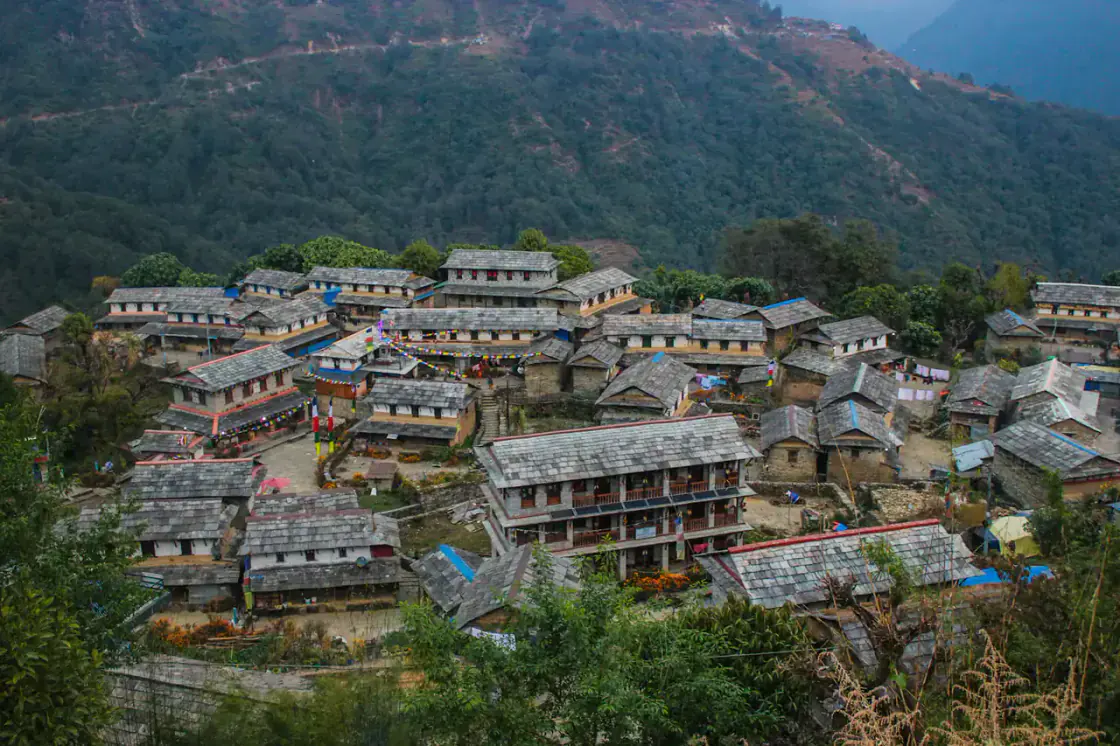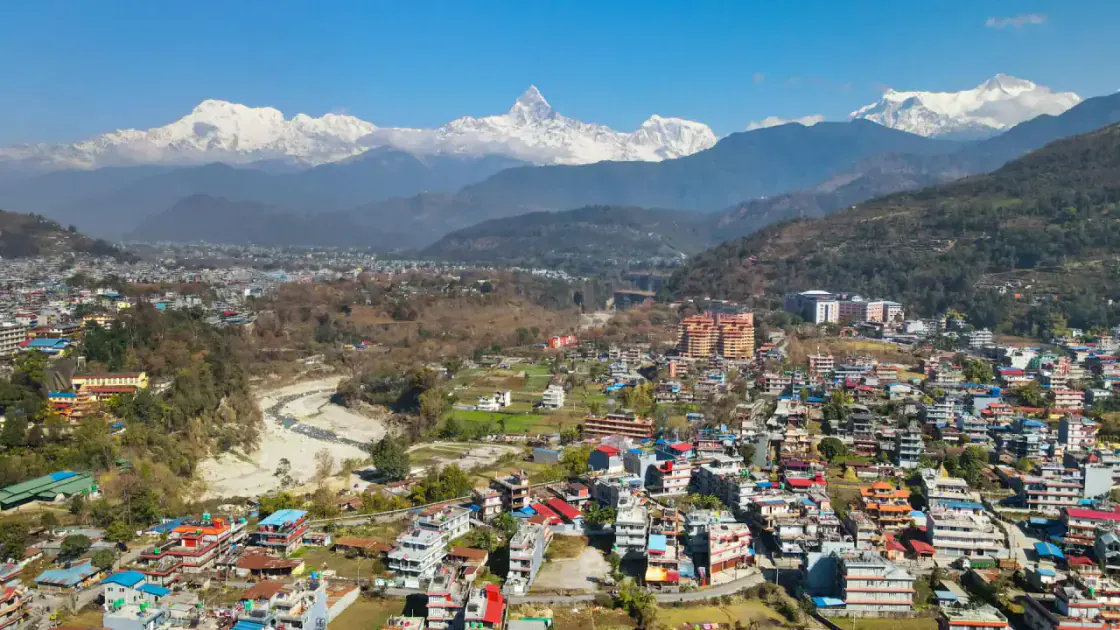
Pokhara travel base near Phewa Lake in Nepal for Pokhara travel guide hero

Pokhara travel guide 2026

Pokhara, Between Lake Calm and Mountain Nerve

A Pokhara travel guide for the way the city actually moves: quiet water before breakfast, cafés after weather checks, hilltop light, trekking errands, and evenings that drift back toward Lakeside.

Soft Edges, Real Nerve

One morning can be a slow lakeside breakfast; the next can start with wind checks above Sarangkot before a flight over Phewa.

Two Lake Rhythms

Phewa carries the social pulse of cafés, boats, and evening walkers. Begnas asks for fewer plans and more silence.

Annapurna Staging Ground

Permits, gear shops, guide calls, spare socks, weather checks, and nervous tea before Annapurna routes all tend to happen here.

A City Ruled By Light

Clear mornings feel precious, afternoons often soften, and evenings bring everyone back toward water, food, and music.

5:30-9:30 AM

Quiet first morning

Start before Lakeside fills up: Sarangkot if the sky is clear, or a Phewa boat ride if the water is still. Eat breakfast after the first light rather than before it.

Late morning to afternoon

Café to viewpoint

Use the warmer hours for coffee, gear errands, museum time, or a slow climb toward Peace Pagoda and Pumdikot. This is the part many rushed itineraries waste in taxis.

One buffer day

Trekking preparation day

Check permits, cash, socks, poles, rain cover, charging cables, guide timing, and weather. Pokhara to Annapurna plans feel calmer when this day exists.

Sunset onward

Lakeside evening loop

Walk the lake edge before dinner, choose food before peak crowd pressure, then keep the night simple. Late transport is easiest when your hotel is already near Lakeside.

Lake choice

Phewa and Begnas ask for different kinds of days.

Phewa works when you want your room, food, boats, and evening walk close together. Begnas asks for a little more effort, then pays it back with space, slower water, and a quieter sunset.

Phewa Lake boating area in Pokhara Nepal for Pokhara lake comparison
Classic Pokhara

Phewa Lake

Social, scenic, convenient

Pick Phewa when you want the lake to be part of everything: breakfast, walking, boating, sunset, and dinner.

Good for: First Pokhara visit, boating, cafes, reflections, easy evenings

Strongest moment: Calm morning boat ride or golden-hour Lakeside walk

Access: Best if you are staying near Lakeside or have limited time

Not ideal if: You want silence far from tourist movement

Suggested flow: Boat before the wind rises, keep café time flexible, and walk before the dinner crowd thickens.

Begnas Lake quiet water and hills near Pokhara Nepal for Pokhara lake comparison
Quiet Escape

Begnas Lake

Quiet, reflective, local

Pick Begnas when you are happy to spend extra travel time for quieter water and fewer tourist routines.

Good for: Peace, couples, slower afternoons, less crowded sunset

Strongest moment: Late afternoon through sunset

Access: Best as a half-day plan with return transport arranged early

Not ideal if: You want nightlife, many cafes, or fast access from your hotel

Suggested flow: Leave after lunch, stay through sunset, and agree on return transport before the light drops.

Experience filter

Sort the city by mood, not by a checklist.

The best places in Pokhara are not useful in the same order for everyone. Filter by peace, altitude, family pace, photography, nightlife, or trekking preparation so the day starts to make sense.

Place map

Know the shape of the valley before spending half the day in taxis.

Lakeside and Phewa sit together, Begnas is farther east, Sarangkot rises north, and Peace Pagoda with Pumdikot sits across the lake. Pokhara route planning improves immediately when those distances are clear.

Morning mountain light

Wake while Lakeside is still quiet and let Annapurna arrive before the traffic does.

The clearest views usually belong to people who leave before breakfast. In autumn, winter, and early spring, the skyline can sharpen for a short window before haze or cloud softens the day.

Sarangkot sunrise viewpoint in Pokhara Nepal for Pokhara experience card

Golden Himalayan light

Sarangkot

Reach Sarangkot before sunrise and wait through the cold blue minutes. When the air cooperates, Annapurna and Machhapuchhre appear gradually instead of all at once.

Good fit: Worth the early alarm when the forecast is clear and you are willing to trade sleep for the cleanest mountain line.
Timing

Before sunrise, around 5:00-6:30 AM depending on season

Season feel

Autumn for crisp visibility; spring for warmer mornings

Duration

2-4 hours

Crowd

High at sunrise in peak season

Photography

Excellent for Himalayan silhouettes and golden light

Weather

Very dependent on cloud and haze

Ideal traveler: Photographers, couples, first-time visitors, adventure travelers

  • Leave before Lakeside traffic wakes up
  • Carry a warm layer even in pleasant months
  • Confirm paragliding only with licensed operators

Pokhara adventure activities

Pick the version of altitude your body actually wants.

Paragliding, caves, ziplines, and hill roads work better when you respect weather instead of forcing a schedule. A flexible morning in Pokhara often beats a perfectly packed checklist.

Paragliding adventure activity over Pokhara and Phewa Lake Nepal

Air, lake, and mountain scale

Paragliding over Pokhara

The flight makes Pokhara's geography easy to understand: hill launch, lake below, city on the edge, and the Annapurna wall sitting beyond the valley when the sky is open.

Good fit: Go only when the pilot, wind, visibility, and your own comfort all say yes.
Timing

Late morning after wind checks

Season feel

October to April for the best visibility windows

Duration

2-3 hours including transfers

Crowd

Medium; operator slots fill quickly

Photography

Excellent with action cameras and clear air

Weather

High dependency on wind, cloud, and safety clearance

Ideal traveler: Adventure travelers and photographers

  • Use certified pilots
  • Do not push a bad-weather flight
  • Keep one spare day if this matters to you
Bat Cave adventure cave experience near Pokhara Nepal

Raw cave adventure

Bat Cave

Bat Cave is less polished and more physical, best for travelers who want a small edge of adventure without leaving the Pokhara Valley.

Good fit: Save it for groups comfortable with a rougher, more physical cave stop.
Timing

Daytime with local guidance

Season feel

Dry season

Duration

1-2 hours

Crowd

Low to medium

Photography

Limited; experience matters more than photos

Weather

Avoid during heavy rain

Ideal traveler: Adventure travelers and curious groups

  • Wear clothes that can get dusty
  • Avoid tight exits if claustrophobic
  • Follow local safety instructions

Phewa, Begnas, and slower water

Phewa is the familiar postcard. Begnas is the exhale after the postcard.

Phewa gives you boats, breakfast tables, reflection photos, and evening movement. Begnas needs more transport planning, but rewards travelers who want their Pokhara itinerary to breathe.

Phewa Lake boating area in Pokhara Nepal for Pokhara experience card

Classic Pokhara calm

Phewa Lake

Go early if you want still water. On quiet mornings, Phewa can hold temple bells, boat paddles, mountain reflection, and the first café shutters opening along Lakeside.

Good fit: Works best when the lake, cafés, boats, and evening walks should stay close enough to shape the whole day.
Timing

Calm mornings and evening light

Season feel

October to April for clearer skies

Duration

1-3 hours

Crowd

Medium to high near Lakeside

Photography

Excellent for water reflections and blue-hour scenes

Weather

Best when wind is low

Ideal traveler: Couples, families, first-time visitors, relaxed travelers

  • Use official boat counters
  • Wear the life jacket without negotiation
  • Move before sunset crowds if you want peaceful photos
Begnas Lake quiet water and hills near Pokhara Nepal for Pokhara experience card

Quiet water and slow afternoons

Begnas Lake

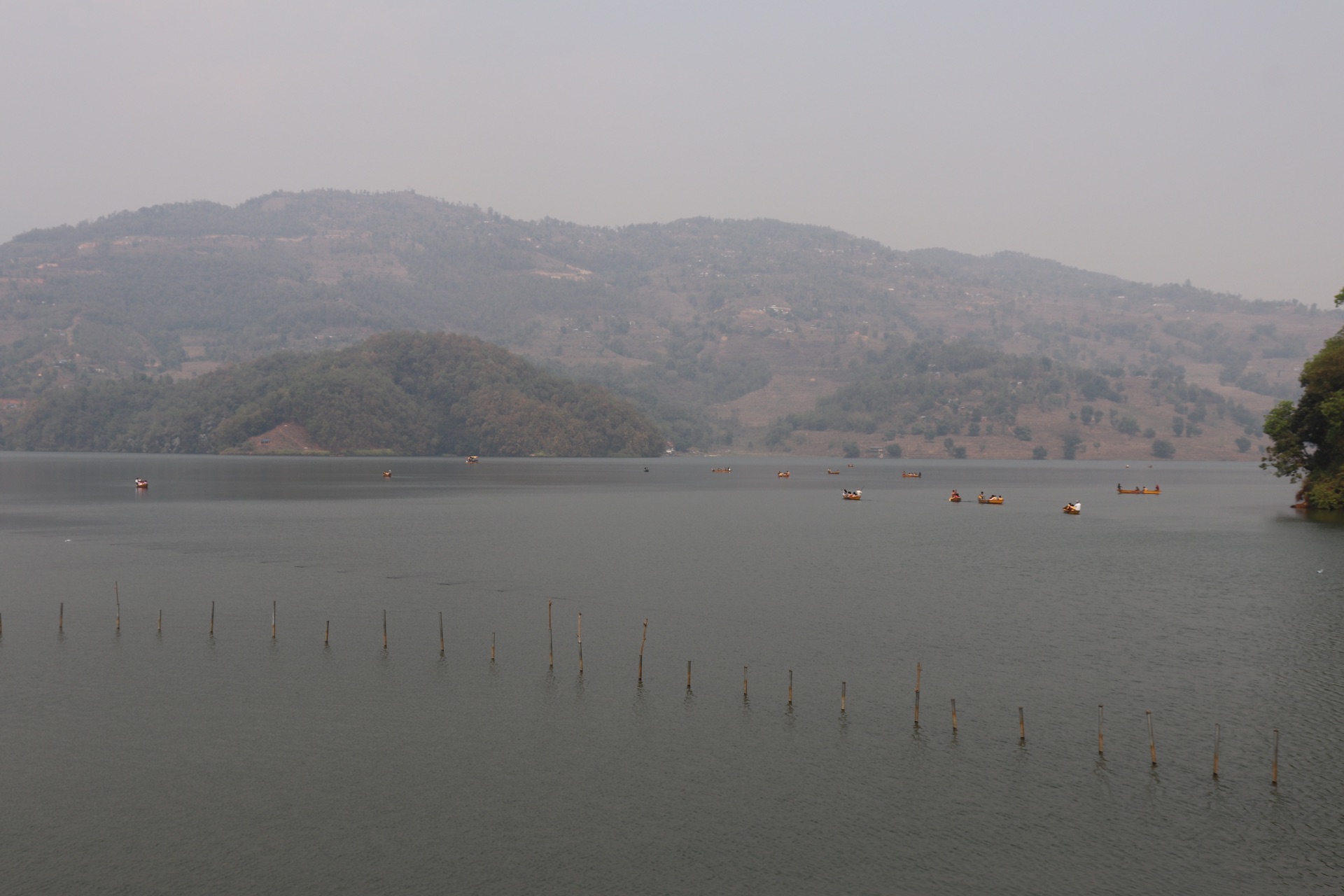
Begnas sits far enough from Lakeside to change the pace. Late afternoon is its best mood: softer traffic, quieter water, and a sunset that feels less performed.

Good fit: Fits the day when Phewa feels too busy and your afternoon can stretch without rushing back.
Timing

Late afternoon to sunset

Season feel

October to April; monsoon for lush green scenery

Duration

Half day or overnight

Crowd

Low to medium

Photography

Beautiful for quiet lake edges and local life

Weather

Moderate dependency; sunset works even with soft cloud

Ideal traveler: Couples, peaceful travelers, families, slow-stay travelers

  • Arrange return transport before dark
  • Carry cash for small local places
  • Consider overnight if your Pokhara itinerary needs silence

Spiritual and cultural places

Leave the café strip for bells, caves, hilltop shrines, and older layers of the city.

Lakeside is convenient, not complete. The quieter cultural stops add scale: island worship on Phewa, Shiva shrines, cave temples, museum afternoons, and local devotion away from the tourist strip.

World Peace Pagoda above Phewa Lake in Pokhara Nepal for Pokhara experience card

Hilltop quiet above the lake

World Peace Pagoda

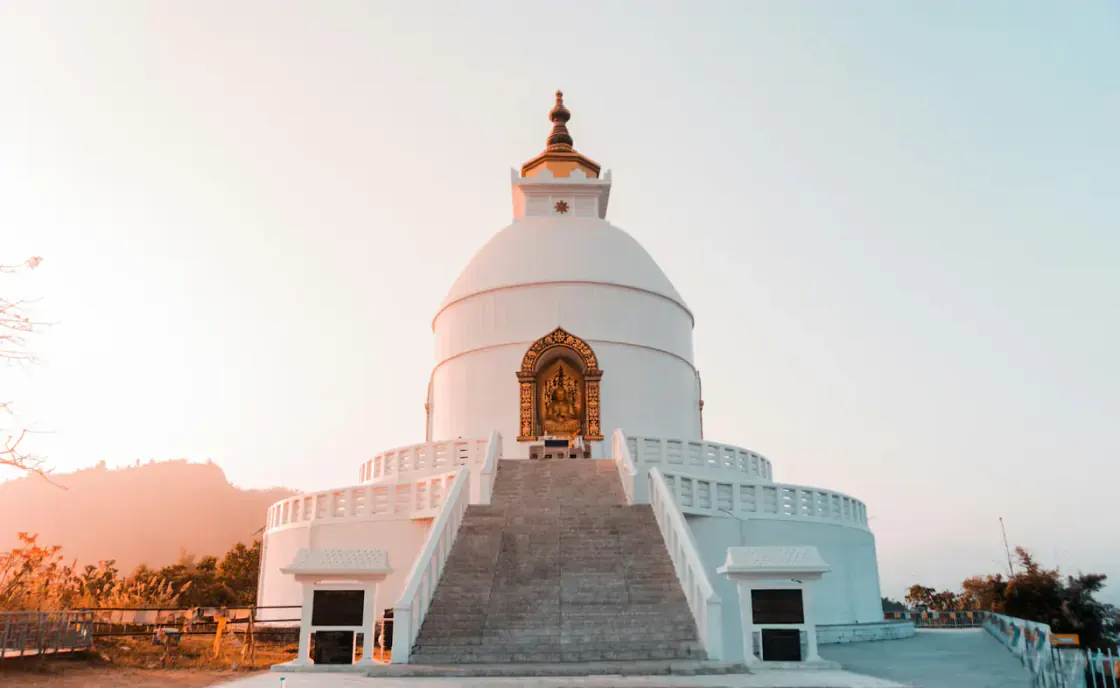
Above Phewa, the white stupa changes the sound of the city. The lake opens below, traffic softens, and clear days give the mountains a calmer frame.

Good fit: Good when you want height without turning the day into a hard trek.
Timing

Morning or late afternoon

Season feel

Autumn and spring

Duration

2-4 hours

Crowd

Medium

Photography

Strong for lake panoramas and white stupa contrast

Weather

Best with clear skies

Ideal traveler: Spiritual travelers, families, photographers, couples

  • Dress respectfully
  • Carry water for the hike
  • Pair with Pumdikot for a hilltop half-day
Pumdikot Shiva Statue hill viewpoint near Pokhara Nepal for Pokhara experience card

Spiritual height and valley scale

Pumdikot Shiva Statue

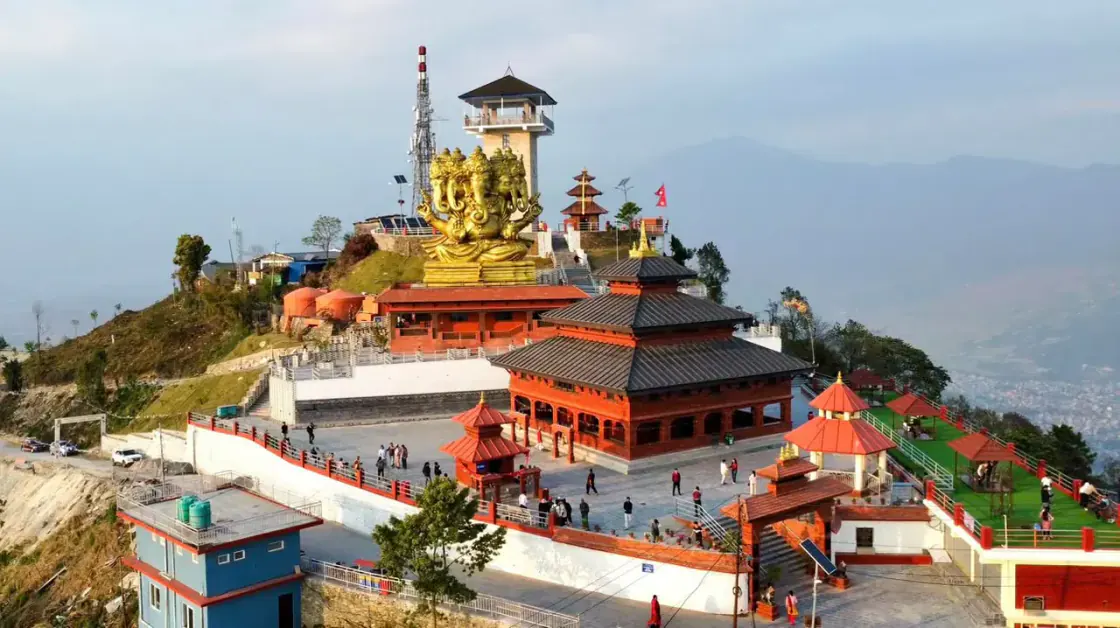
Pumdikot is more dramatic than quiet: a large Shiva statue, open valley views, and a hilltop setting that works especially well around morning or sunset.

Good fit: Makes sense for groups who want a bigger hilltop scene and do not mind stairs, sun, and weekend movement.
Timing

Morning or sunset

Season feel

October to April

Duration

1.5-3 hours

Crowd

Medium on weekends and holidays

Photography

Excellent for statue scale and valley views

Weather

Best with low haze

Ideal traveler: Spiritual travelers, families, photographers

  • Combine with World Peace Pagoda
  • Expect stairs and exposed sun
  • Respect worshippers and local rituals
Tal Barahi Temple on Phewa Lake Pokhara Nepal for Pokhara experience card

Island shrine and lake ritual

Tal Barahi Temple

The small island temple turns Phewa from a view into a ritual space. Morning boats feel better here, before the lake gets noisy.

Good fit: Add it when your Phewa boat ride should feel meaningful, not just scenic.
Timing

Morning before the lake gets busy

Season feel

October to April for clearer lake and mountain views

Duration

45-90 minutes with boating

Crowd

Medium; higher during festivals and weekends

Photography

Excellent for boats, rituals, lake reflections, and soft morning light

Weather

Best when wind is low and boating is calm

Ideal traveler: Spiritual travelers, families, couples, first-time visitors

  • Use official boat counters
  • Dress respectfully
  • Pair with Lakeside breakfast or sunset walk
Bindhyabasini Temple cultural site in Pokhara Nepal for Pokhara experience card

Local devotion above old Pokhara

Bindhyabasini Temple

This hilltop temple brings bells, city views, and everyday devotion into the Pokhara itinerary, especially for travelers who want culture beyond viewpoints.

Good fit: Go here for a local worship rhythm instead of another lake-facing viewpoint.
Timing

Morning worship hours or late afternoon

Season feel

Year-round; clearer views in autumn and winter

Duration

45-90 minutes

Crowd

Medium during worship times and holidays

Photography

Good for temple atmosphere and city context; be respectful around rituals

Weather

Works in most weather except heavy rain

Ideal traveler: Culture seekers, spiritual travelers, families

  • Remove shoes where required
  • Avoid intrusive ritual photography
  • Combine with Gurkha Museum or old Pokhara areas
Kedareshwor Mahadev Temple near Lakeside Pokhara Nepal

Lakeside devotion and easy access

Kedareshwor Mahadev Temple

Near the lake edge, this Shiva temple gives a quiet pause between cafes, boating, and evening walks, especially during morning or festival moments.

Good fit: Useful as a short spiritual pause between cafés, boating, and evening walking.
Timing

Morning or early evening

Season feel

Year-round

Duration

20-45 minutes

Crowd

Low to medium; higher during Shiva festivals

Photography

Moderate; better for atmosphere than grand landscapes

Weather

Low dependency because it is close and easy to reach

Ideal traveler: Spiritual travelers, slow walkers, families staying near Lakeside

  • Visit quietly between Lakeside plans
  • Respect prayer areas
  • Pair with Phewa Lake or Tal Barahi Temple
Gupteshwor Cave near Davis Falls in Pokhara Nepal for Pokhara experience card

Sacred stone and underground sound

Gupteshwor Cave

Step underground to a cave temple where devotion, limestone, and the sound of falling water make Pokhara feel older and quieter.

Good fit: Step inside when you want the city to feel older, enclosed, and less polished.
Timing

Morning or early afternoon

Season feel

Year-round, with care during heavy rain

Duration

45-90 minutes

Crowd

Medium

Photography

Moderate; low light and sacred areas require restraint

Weather

Rain can make surfaces slippery

Ideal traveler: Spiritual travelers, culture seekers, families

  • Wear shoes with grip
  • Respect no-photo areas
  • Move slowly on wet stairs
Open route guide
International Mountain Museum Pokhara Himalayan culture and trekking history

Context before the mountains

International Mountain Museum

Visit before trekking if you want the Annapurna region to feel more meaningful. The museum gives mountain culture, expedition history, and Himalayan context.

Good fit: A strong backup when clouds hide the skyline or your trek needs context before the trail.
Timing

Midday or rainy afternoon

Season feel

Year-round

Duration

1.5-3 hours

Crowd

Low to medium

Photography

Good for exhibits and mountain context

Weather

Excellent bad-weather backup

Ideal traveler: Families, trekkers, culture seekers

  • Use it as a rainy-day plan
  • Visit before ABC or Mardi Himal
  • Give yourself time instead of rushing
Gurkha Museum Pokhara Nepal military history and cultural heritage

Bravery, memory, and local history

Gurkha Museum

The Gurkha Museum gives Pokhara a deeper historical layer, telling stories of Gurkha soldiers, service, bravery, uniforms, medals, and military heritage connected to Nepal's modern identity.

Good fit: Go when you want Pokhara's human history, not only its lake-and-mountain image.
Timing

Late morning or rainy afternoon

Season feel

Year-round

Duration

1-2 hours

Crowd

Low to medium

Photography

Good for museum details where photography is allowed

Weather

Excellent bad-weather backup

Ideal traveler: History lovers, families, culture seekers, curious first-time visitors

  • Pair with International Mountain Museum on a culture day
  • Check photo rules inside exhibits
  • Good choice when mountain views are hidden by cloud

Hidden local gems

Use short detours to give the city more texture.

Not every good stop needs a full day. Some of Pokhara's better memories come from a waterfall after rain, a cool cave corridor, a side-road viewpoint, or a quiet lake edge when the main strip feels too full.

Davis Falls waterfall in Pokhara Nepal for Pokhara experience card

Water disappearing into stone

Davis Falls

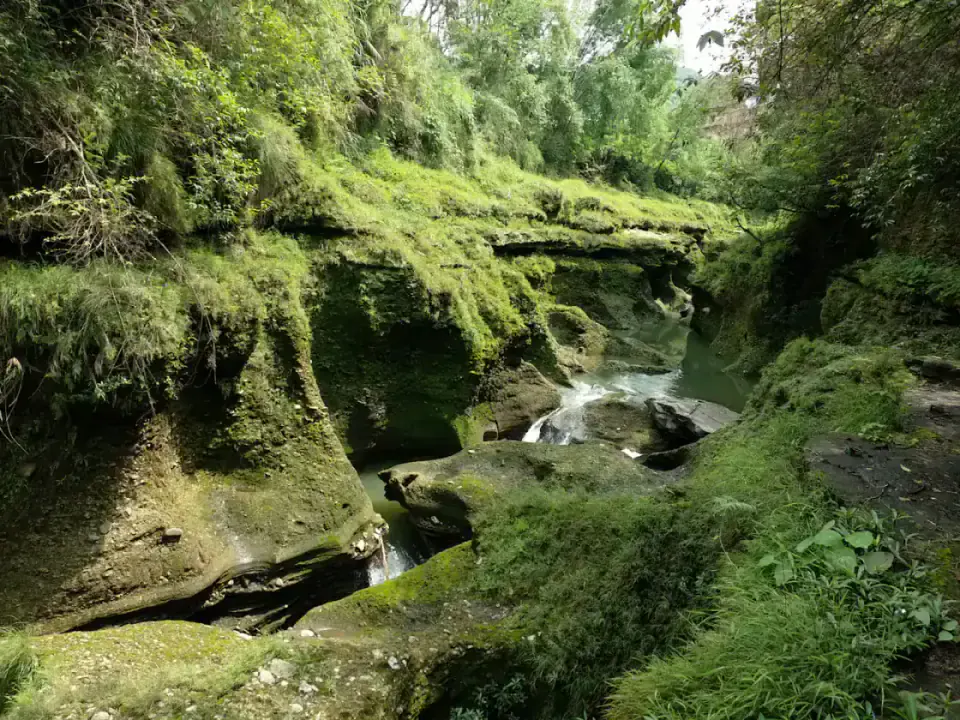
Davis Falls is a short, easy stop where water cuts into the ground with more drama after rainfall. Pair it with Gupteshwor Cave across the road.

Good fit: Best treated as a short stop, especially when recent rain gives the water more force.
Timing

Late morning or after rain

Season feel

Monsoon and post-monsoon for stronger flow

Duration

30-60 minutes

Crowd

Medium to high

Photography

Good for motion and close-up water textures

Weather

Stronger after rain; slippery in wet conditions

Ideal traveler: Families, short-stop travelers, photographers

  • Watch footing after rain
  • Pair with Gupteshwor Cave
  • Avoid peak midday if you dislike crowds
Open route guide
Mahendra Cave limestone cave experience near Pokhara Nepal

Cool limestone corridors

Mahendra Cave

Mahendra Cave adds a raw, underground layer to the Pokhara travel guide: cooler air, stone formations, and a break from bright lakeside scenes.

Good fit: Fits bright afternoons when the lake feels too exposed and a cooler detour sounds better.
Timing

Daytime

Season feel

Dry months for easier footing

Duration

45-90 minutes

Crowd

Low to medium

Photography

Moderate; bring low-light patience

Weather

Better in dry conditions

Ideal traveler: Families, curious travelers, hidden-gem seekers

  • Use a guide or light source where needed
  • Wear stable shoes
  • Combine with Bat Cave

Cafes and nightlife

Evenings gather around food, music, lake air, and unhurried walking.

Lakeside becomes busiest after sunset, especially in clear-season months. Go early for a quiet table; go later for live music, dessert, traveler conversations, and a gentle walk back by the water.

Lakeside Pokhara cafes nightlife and evening lake atmosphere Nepal

Cafes, music, and soft lake nights

Lakeside Pokhara

Lakeside is where the day loosens: cafés stay bright, music starts, gear shops catch tomorrow's trekkers, and the lake path gives the evening a soft landing.

Good fit: Keep the evening here when you want dinner, music, gear shops, and an easy walk back without solving transport late at night.
Timing

Late afternoon to evening

Season feel

Year-round; autumn and spring are most comfortable

Duration

2 hours to full evening

Crowd

Medium to high

Photography

Good for night lights, food, and lake-edge mood

Weather

Works in most weather, better without heavy rain

Ideal traveler: Nightlife travelers, couples, food lovers, first-time visitors

  • Book close by if you like walking home
  • Eat earlier for calmer tables in peak months
  • Keep late-night transport simple
Annapurna trekking mountains from Pokhara Nepal

Annapurna staging city

The trek often starts before the trailhead.

Pokhara to Annapurna plans are usually settled in small practical moments: a permit check, a rain cover, a guide call, extra cash, a weather conversation, one rest day that saves the next five. From here, Annapurna Base Camp, Ghandruk, Mardi Himal, Muktinath, Poon Hill, and Jomsom become specific decisions.

Annapurna Base Camp trekking route in Nepal for Pokhara trek card
Route idea 1

Annapurna Base Camp

From Pokhara, this route moves through villages, forest, river valleys, and then into the high amphitheater below Annapurna.

DifficultyModerate to hard

SeasonOct-Nov and Mar-May

Duration7-11 days

VisibilityExcellent in autumn; dramatic in spring

Ideal for: Travelers who want a classic Himalayan amphitheater
On the ground: Forest, river valleys, stone villages, high sanctuary
Ghandruk village and Annapurna views in Nepal for Pokhara trek card
Route idea 2

Ghandruk

A short route from Pokhara into stone lanes, Gurung culture, lodge life, and clear morning views when the weather holds.

DifficultyEasy to moderate

SeasonOct-May

Duration2-4 days

VisibilityStrong on clear autumn and winter mornings

Ideal for: First-time trekkers, families, cultural travelers
On the ground: Stone lanes, village life, Annapurna views
Mardi Himal trekking route in Nepal for Pokhara trek card
Route idea 3

Mardi Himal

A compact ridge route from Pokhara where forest gives way to close mountain faces and a sharper sense of height.

DifficultyModerate to hard

SeasonOct-Nov and Mar-May

Duration4-6 days

VisibilityExcellent when clouds stay below the ridge

Ideal for: Fit travelers with limited time
On the ground: Rhododendron forest, ridge walking, close peaks
Muktinath Temple high altitude pilgrimage route in Nepal for Pokhara trek card
Route idea 4

Muktinath

A high-country pilgrimage route from Pokhara toward Mustang wind, temple rituals, dry valleys, and altitude-aware planning.

DifficultyModerate with altitude awareness

SeasonMar-May and Sep-Nov

Duration3-7 days by road and flight combinations

VisibilitySharp and cinematic in post-monsoon months

Ideal for: Pilgrims, culture seekers, mountain road travelers
On the ground: High desert, temples, wind, Mustang valleys
Poon Hill sunrise trekking viewpoint in Nepal for Pokhara trek card
Route idea 5

Poon Hill

A short trek built around village lodges, stone steps, and a dawn viewpoint where Annapurna and Dhaulagiri can fill the horizon.

DifficultyModerate

SeasonOct-May

Duration3-5 days

VisibilityExcellent in autumn and winter mornings

Ideal for: Sunrise lovers and first Himalayan trek planners
On the ground: Village steps, forest trails, dawn viewpoint energy
Mustang high desert road journey in Nepal for Pokhara trek card
Route idea 6

Jomsom

Follow the Kali Gandaki corridor from Pokhara toward riverbeds, apple villages, rough roads, and Mustang's dry cliff country.

DifficultyModerate; road and weather dependent

SeasonMar-May and Sep-Nov

Duration3-6 days

VisibilityVery strong after monsoon and before winter storms

Ideal for: Road-trip travelers, photographers, Mustang dreamers
On the ground: River valley, rough roads, dry cliffs, Tibetan-influenced culture
PokharaNayapul / KandeGhandrukHigh ridgesBase campsMustang / Muktinath

Optional depth

History and culture, only when you want the deeper layer.

Learn History & Culture

Pokhara sits below the Annapurna and Machhapuchhre skyline, shaped by Gurung, Magar, Newar, Thakali, Tibetan-influenced, and wider Nepali cultural movement. Its identity grew from trade routes, lake settlements, pilgrimage sites, mountain expeditions, and modern adventure tourism.

For travelers, that means the city should not be reduced to one postcard. Visit museums before trekking, temples with respect, caves with patience, and Lakeside with awareness that it is only one chapter of Pokhara's personality.

FAQ

Pokhara travel guide FAQ

What is Pokhara famous for?

Pokhara is known for Phewa Lake, calm Lakeside mornings, Sarangkot sunrise views, paragliding, cafés, caves, waterfalls, Peace Pagoda, Pumdikot Shiva Statue, and the practical pre-trek rhythm before Annapurna routes.

How many days are enough in Pokhara?

Two to three days works for Phewa Lake, Sarangkot, Lakeside evenings, and a few nearby stops. Add extra time for Begnas Lake, paragliding buffers, rainy-day museums, or route prep toward Ghandruk, Mardi Himal, Poon Hill, or Annapurna Base Camp.

When does Pokhara feel clearest?

October to November often brings the sharpest mountain visibility, while March to April feels warmer with spring color. Mornings usually give better skyline views than afternoons, especially around Sarangkot and Phewa Lake.

Is Pokhara good for trekking?

Yes. Pokhara is where many travelers organize permits, gear, guides, rest days, and transport before Annapurna Base Camp, Ghandruk, Mardi Himal, Poon Hill, Jomsom, and Muktinath routes.

Which lake is best in Pokhara?

Phewa Lake is best for classic Pokhara atmosphere, boating, cafes, and mountain reflection photography. Begnas Lake is better for peaceful travelers who want fewer crowds and slower sunset energy.

Can you start Annapurna Base Camp trek from Pokhara?

Yes. Most Annapurna Base Camp trips are organized from Pokhara, then continue by road transfer to a trailhead before walking through villages, forests, river valleys, and high Himalayan landscapes.

Travel utility checklist

Pokhara travel planning essentials

Use these structured notes as a planning checklist, then verify seasonal conditions, transport, permits, and local services close to travel.

Last verified: 2026-07-09

Permit Information

Permit status

No destination-specific permit is listed in the current dataset

This site explains requirements, but official permit services remain the source of truth.

Documents to keep ready

Passport, visa, passport photos, and printed or offline permit copies where required

Transport Options

Route planning

Compare this stop with nearby places in the route planner

Transport certainty

Use main-route transport, then confirm same-week timing locally

Estimated Costs

Budget level

medium

Stay length

2 days suggested by the destination dataset

Emergency And Health

Safety level

standard

Hospital information

Use local city hospitals or clinics; confirm nearest facility before remote side trips

Emergency contacts

Save Tourist Police and local operator or hotel contacts offline

ATM, Internet And SIM

ATM availability

Available in main towns or hubs

Internet and SIM

SIM and mobile data are generally easiest to arrange in larger towns

Altitude, Weather And Seasons

Altitude

822 m

Best months

Sep, Oct, Nov, Dec, Mar, Apr, May

Weather check

Check current conditions before booking transport or trekking days

Packing Tips

Core packing

Layered clothing, rain protection, water bottle, offline maps, power bank, and copies of documents

Terrain note

Comfortable walking shoes are usually enough for core sightseeing

Nearby Places

Next step

Use related destination links and the route planner to connect this page into a wider itinerary

Travel warnings and verification notes

  • Do not treat estimated costs or permit summaries as official services.
  • Verify road, flight, trail, and weather conditions close to departure.

Smart route check

Plan Pokhara by travel order, not just by popularity.

This is where Discover Nepal Hub is different: the goal is to reduce backtracking, missed nearby places, and confusing Nepal route choices.

Compare this route in the planner

Best route direction

Kathmandu -> Pokhara -> Annapurna Region: many travelers use Pokhara to recover, organize gear, and enter nearby trailheads.

Useful next move

Pokhara -> Davis Falls: Davis Falls is close enough to help build a cleaner regional route instead of adding a disconnected detour.

Mistake to avoid

Treating Pokhara as a quick pin instead of matching it to your route sequence.

Destination decision panel

Decide if Pokhara belongs in your Nepal itinerary.

Pokhara is best understood through lake, adventure, city experiences in Pokhara Region.

Best for

adventure travelers, photographers, families, slow travelers

Not ideal for

travelers whose route would require major backtracking for a short stop

Recommended stay

2 days

Budget level

Moderate

Difficulty level

easy

Family suitability

Good with pacing

Solo traveler suitability

Good with normal precautions

First-time Nepal visitor

Strong fit

Who should visit

Match Pokhara to the right traveler type.

Photographers

Why it fits: Pokhara rewards photographers who plan around morning light, weather, and the specific lake / adventure setting.

Why it may not fit: It may disappoint if the visit is squeezed into harsh midday light or poor visibility.

Families

Why it fits: Pokhara can work for families when the day is paced around short transfers, meals, rest, and simple activity blocks.

Why it may not fit: It becomes harder when adults overpack the schedule or ignore heat, traffic, stairs, or tired children.

Adventure travelers

Why it fits: Pokhara works for adventure travelers when safety checks, weather, and operator quality shape the plan.

Why it may not fit: It may not fit travelers who want every activity confirmed regardless of conditions.

Things to do

Practical activities for Pokhara.

Arrive with flexible timing

Start with this because it reveals lake, adventure, city experiences in Pokhara Region.

Time: Half day

Cost: Moderate

Best time: Clear-season morning

Tip: Confirm current transport, opening hours, entry fees, and local conditions before departure.

Explore the strongest local experience first

Use this to add depth beyond the main arrival point in Pokhara.

Time: Half day

Cost: Moderate

Best time: Clear-season morning

Tip: Save offline maps and hotel contact details.

Leave room for weather or road changes

Use this to add depth beyond the main arrival point in Pokhara.

Time: Half day

Cost: Moderate

Best time: Clear-season morning

Tip: Use local guides where culture, wildlife, or altitude makes context important.

How to reach

From Kathmandu

Reach Pokhara first by flight, tourist bus, or private vehicle, then continue by local taxi, jeep, boat, or trailhead transfer.

From Pokhara

Most visits start from Lakeside or central Pokhara. Confirm pickup, return timing, and whether a road or walking approach is better.

By tourist bus

Tourist buses connect Kathmandu and Pokhara, but final access needs a local transfer.

Where to stay

Lakeside Pokhara

Best for restaurants, activity offices, taxis, gear shops, and flexible day trips.

Pokhara area

Useful when sunrise, lake quiet, village atmosphere, or early starts matter.

Common mistakes

  • treating Pokhara as a quick pin instead of matching it to your route sequence.
  • forgetting cash for small tickets, local transport, snacks, tips, toilets, or remote payments.
  • arriving too late in the day and losing the best light, transport window, or activity timing.
  • trusting map distance without checking real road time, traffic, trail condition, or weather.

Local food and experiences

Lake or ridge pause

Pokhara-region travel works best when water, viewpoints, and slower meals are not rushed.

Cafe and local meal breaks

Use meals to pace the day between viewpoints, boat rides, village stops, or short hikes.

Adventure planning

Weather, operator quality, and return logistics matter more than trying to fit every activity into one day.

Destination connections

Kathmandu -> Pokhara -> Annapurna Region

many travelers use Pokhara to recover, organize gear, and enter nearby trailheads.

Pokhara -> Davis Falls

Davis Falls is close enough to help build a cleaner regional route instead of adding a disconnected detour.

Pokhara -> World Peace Pagoda

World Peace Pagoda is close enough to help build a cleaner regional route instead of adding a disconnected detour.

Trip planning insights

The decisions to make before booking Pokhara.

How many days should I stay?

2 days is the practical first-plan answer. Add time if Pokhara is part of a longer route, weather-dependent activity, trekking stage, or remote transfer.

When should I skip this destination?

Skip it if adding the stop creates backtracking without giving you enough time to experience the place properly.

What season is best?

Sep, Oct, Nov, Dec, Mar, Apr, May are the easiest months for a comfortable visit. Outside these months, plan around heat, rain, haze, or reduced visibility.

Can it be visited year-round?

Usually yes, but the quality of the visit changes by season. In hotter or wetter months, start early and keep the route lighter.

What type of trip benefits most?

Pokhara works best in a trip built around adventure travelers, photographers, families, slow travelers rather than a route that adds stops only because they look close on a map.

Cookie choices

Essential storage keeps this choice. Analytics cookies only load if you accept them. Read the privacy policy.