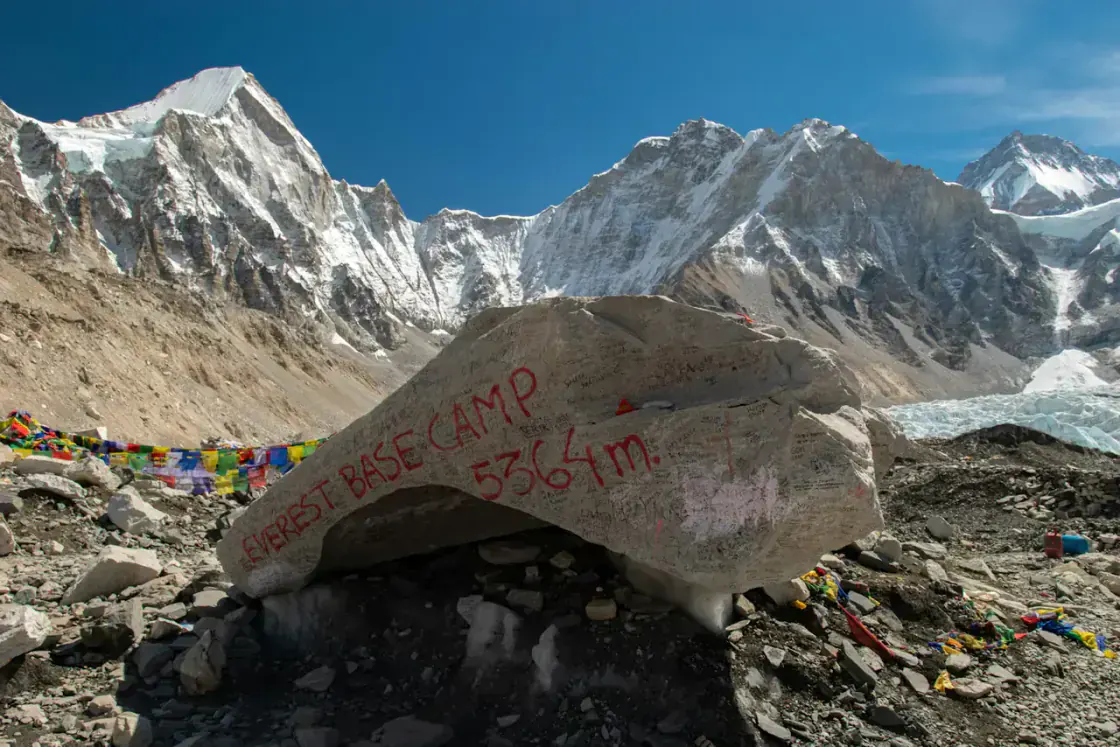
Everest planning guide
Everest Region Travel Guide
Plan your Everest journey properly before you book flights, permits, guides, and trekking days.
The Everest Region is more than Everest Base Camp. It is a network of Sherpa villages, trekking routes, mountain passes, monasteries, acclimatization stops, and high-altitude decisions. This guide helps travelers understand how to plan the region step by step.

Primary gateway
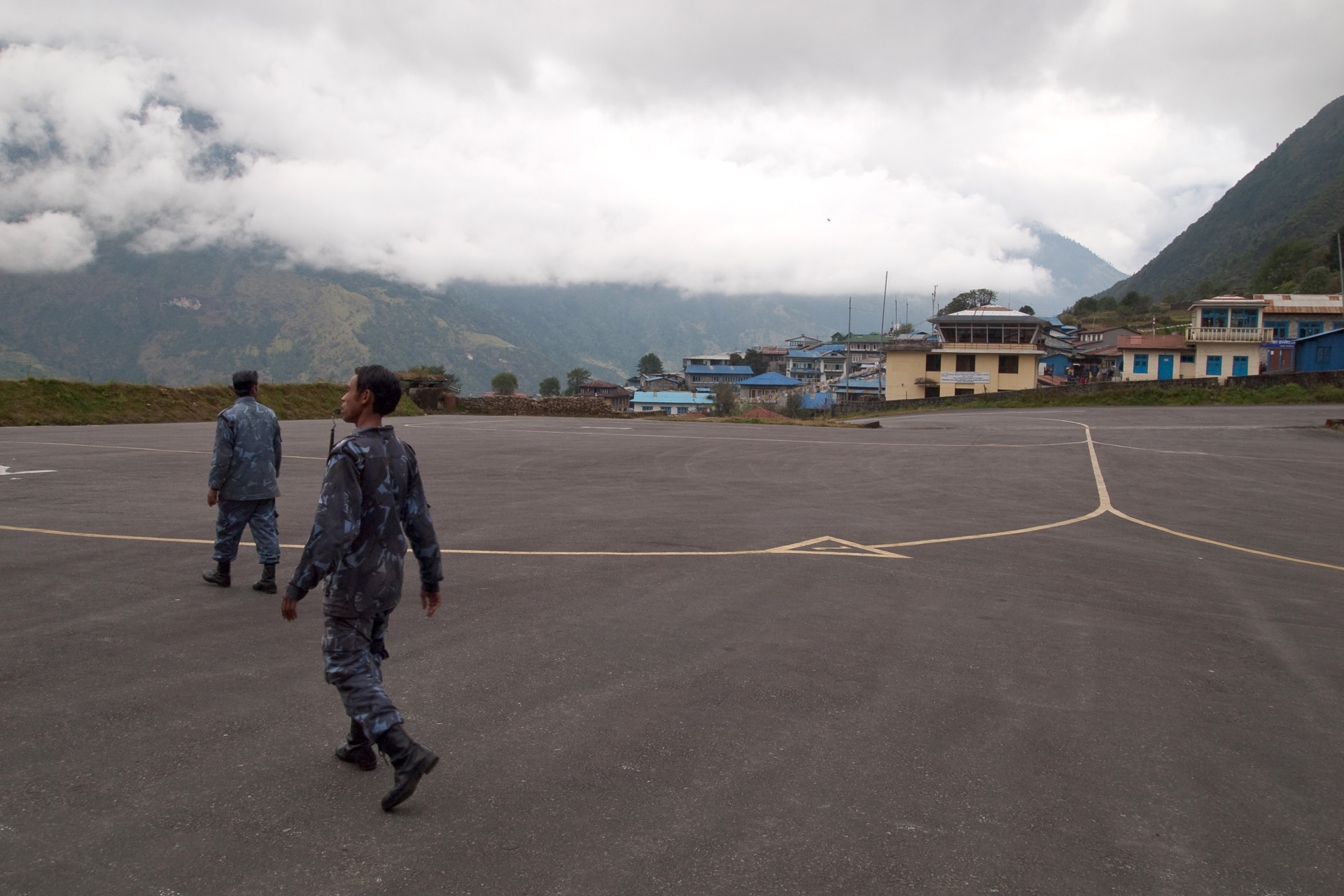
Lukla
Key pause
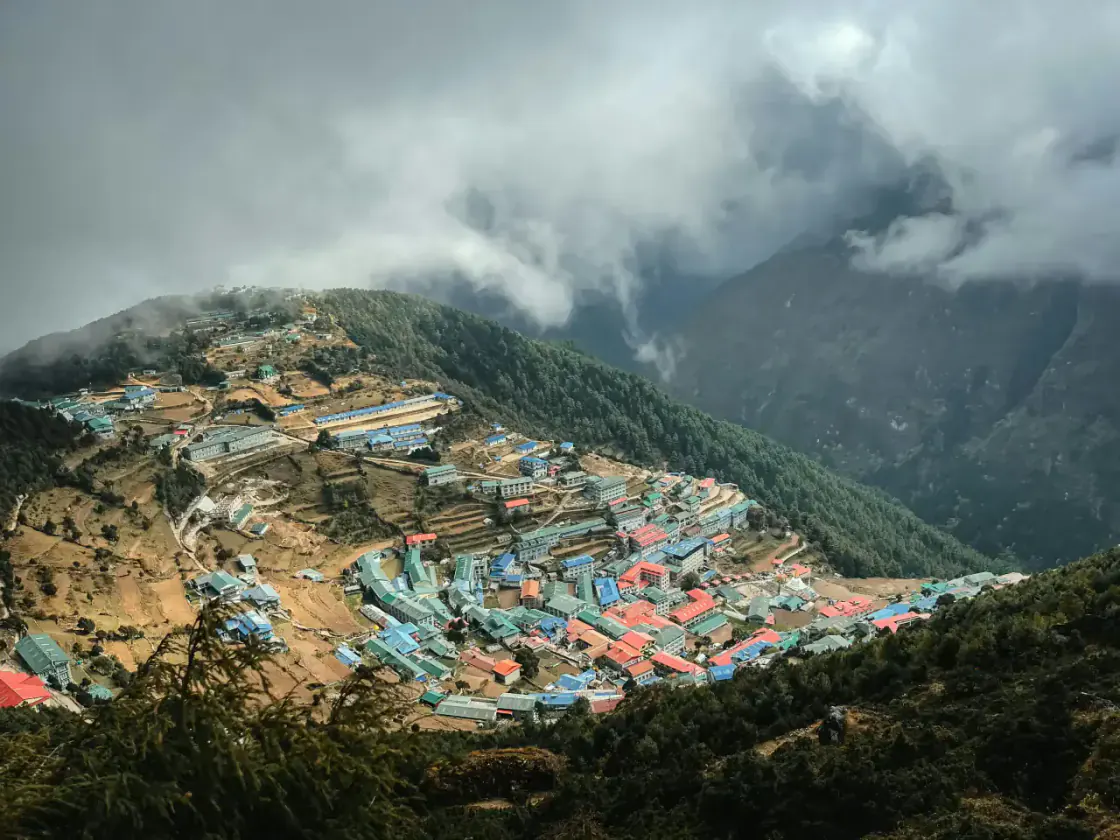
Namche
Plan for
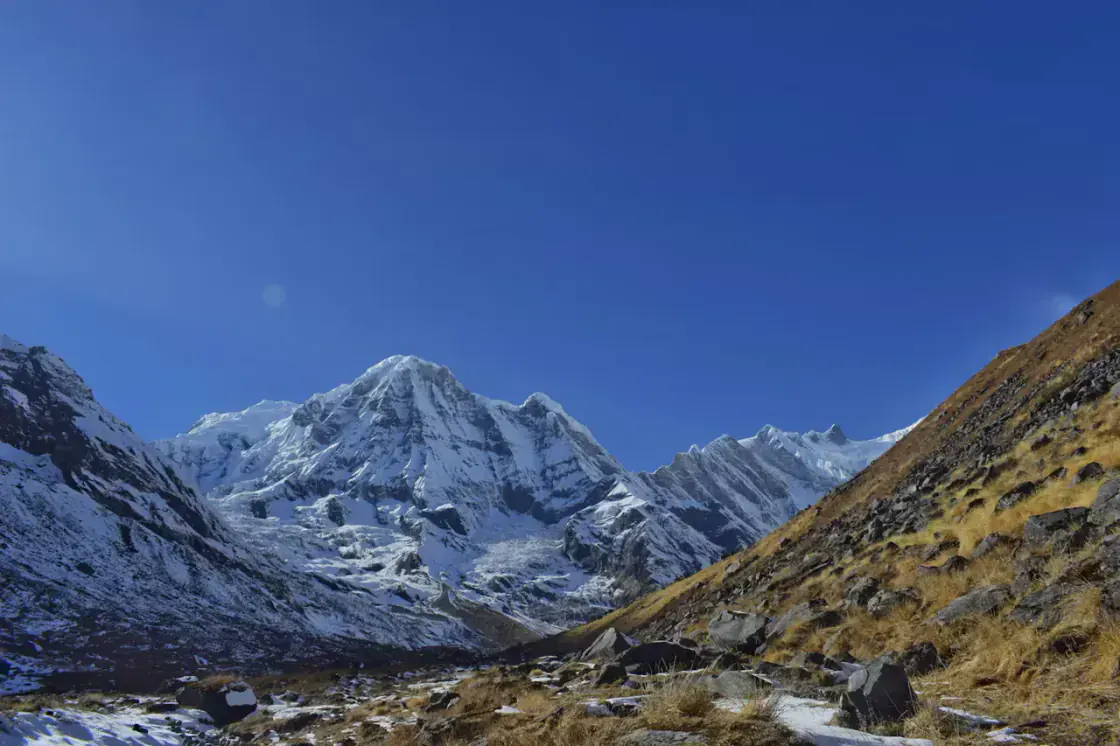
Altitude
Quick facts
Understand the Everest system fast.
Use this snapshot before choosing permits, flights, route style, or trekking days.
Starts from
Kathmandu
Mountain gateway
Lukla
First trail stop
Phakding
Route hub
Namche Bazaar
Main route choices
EBC, Gokyo, View Trek, Three Passes
Critical planning rule
Buffer days and acclimatization
Everest journey planner
Everest Journey Planner
Follow the complete route from Kathmandu to the Everest trekking region.
Step 1 · Arrival cityKathmandu
Your Everest journey starts with preparation, not walking. Stay 1-2 days in Kathmandu to recover, confirm flights, check gear, organize documents, and meet your guide if applicable.
Next: Book a Kathmandu hotel night before and after the trek.
Step 2 · Cash and paperworkPrepare Documents
Before leaving Kathmandu, prepare passport copies, permits, insurance details, emergency contacts, flight details, and Nepali cash.
Next: Save documents offline and keep paper copies protected.
Step 3 · Route accessGet Permits
Permits are checked along the Everest route and help manage protected areas and local Khumbu administration.
Sagarmatha National Park Permit
Needed because most classic Everest routes enter Sagarmatha National Park. Keep it ready for park and route checkpoints.
Khumbu Pasang Lhamu Rural Municipality Permit
Used for local Khumbu route administration. It is commonly checked as travelers move deeper into the Everest region.
Next: Keep copies safe and easy to reach.
Step 4 · Thamel checklistBuy Trekking Gear in Thamel
Thamel is the practical place to rent or buy missing trekking essentials before flying toward the mountains.
Avoid carrying unnecessary weight.
Next: Avoid unnecessary weight. Pack what you will actually use.
Step 5 · Weather decisionConfirm Lukla Flight
Flights to Lukla depend heavily on weather. Delays and cancellations are common, especially when visibility changes.
Delays are common, flights depend on weather, and buffer days protect your international schedule.
Next: Keep 2-3 buffer days and avoid tight international schedules after the trek.
Step 6 · Everest gatewayFly to Lukla
Lukla is the gateway to the Everest trekking region. Most trekkers organize bags and begin walking the same day.
This is where the road-style trip becomes a trekking route.
Next: Treat Lukla as the route start, not a rest stop.
Step 7 · First trekking stopPhakding
The first walking day is usually easier, giving you a gradual adjustment into the Khumbu region.
A softer first walking day helps you adjust before the climb toward Namche.
Next: Set your pace early. Do not race the first day.
Step 8 · Acclimatization centerNamche Bazaar
Namche is the key acclimatization town, with Sherpa culture, cafes, gear shops, and mountain-route atmosphere.
Stay at least 2 nights for acclimatization before going higher.
Next: Stay at least 2 nights before going higher.
Step 9 · Route splitChoose Your Route
After Namche, the Everest system splits into different route styles: classic base camp, scenic lakes, shorter viewpoint trekking, or advanced high passes.
Next: Pick the route your time, fitness, and altitude comfort can support.
Route selection cards
Choose your Everest route after Namche.
Route selection happens after you understand the shared Kathmandu, Lukla, Phakding, and Namche flow.
After Namche
Choose your Everest route.
This is the decision point: classic base camp, scenic lakes, a shorter view trek, or an advanced pass route.

Everest Base Camp
- Classic Everest experience
- 12-14 days
- Moderate to difficult

Gokyo Lakes
- Glacier lakes
- Scenic alternative
- Fewer crowds

Everest View Trek
- Shorter route
- Beginner friendly
- Mountain views
- Lower altitude exposure

Three Passes Trek
- Advanced challenge
- Experienced trekkers
- High altitude passes
Trip fit
Is Everest right for you?
Pick the Everest trip that matches your time, altitude comfort, and trekking experience before comparing packages.
First-Time Mountain Traveler
- Namche Bazaar
- Everest View Trek
- Short duration
- Lower difficulty
Next: Start with a Namche-based plan before committing to higher altitude.
Everest Base Camp Traveler
- Classic EBC route
- 12-14 days
- Most popular
Next: Build the route around acclimatization days, not only distance.
Scenic Explorer
- Gokyo Lakes
- Glacier views
- Less crowded
Next: Compare Gokyo with EBC if scenery matters more than the base camp milestone.
Experienced Trekker
- Three Passes Trek
- Advanced challenge
- High-altitude experience
Next: Confirm snow, pass conditions, guide support, and evacuation coverage.
Everest route network
Understand the route before choosing the trek
Most Everest plans share the same early corridor, then split after Namche depending on your goal.
Shared entry corridor
Branch
Everest Base Camp
Best for travelers who want the classic EBC goal and can commit to careful acclimatization.
Branch
Gokyo Lakes
Best for scenic explorers who want glacier views, lake color, and a quieter route feel.
Branch
Three Passes Trek
Best for experienced trekkers with high-altitude confidence and a flexible safety plan.
Places in the Everest Region
These are not random stops. Each place connects the next decision in the Everest trekking system.

Role
Lukla
Main gateway airport to Everest region.
Most Everest treks begin here.
Connects to
Next: understand whether this stop is an entry, rest, route split, or goal.

Role
Phakding
First trekking stop after Lukla.
Common overnight stop before climbing toward Namche.
Connects to
Next: understand whether this stop is an entry, rest, route split, or goal.

Role
Namche Bazaar
Main trekking hub of the Everest region.
Most Everest routes split from Namche Bazaar.
Connects to
Next: understand whether this stop is an entry, rest, route split, or goal.

Role
Tengboche
Famous monastery village.
Important spiritual and scenic stop.
Connects to
Next: understand whether this stop is an entry, rest, route split, or goal.

Role
Dingboche
Major acclimatization village.
Key altitude adjustment stop before higher elevation.
Connects to
Next: understand whether this stop is an entry, rest, route split, or goal.

Role
Lobuche
High-altitude trekking stop.
Used for careful pacing before the final EBC approach.
Connects to
Next: understand whether this stop is an entry, rest, route split, or goal.

Role
Gorak Shep
Final settlement before Everest Base Camp.
A practical staging point, not a place to rush through.
Connects to
Next: understand whether this stop is an entry, rest, route split, or goal.

Role
Everest Base Camp
Main trekking goal for many travelers.
Reached as a major route objective before descending.
Connects to
Next: understand whether this stop is an entry, rest, route split, or goal.

Role
Gokyo Lakes
Scenic glacier lake route.
A quieter scenic system that can connect back toward EBC routes.
Connects to
Next: understand whether this stop is an entry, rest, route split, or goal.

Role
Kala Patthar
Famous Everest viewpoint.
Often planned around sunrise, weather, and energy levels.
Connects to
Next: understand whether this stop is an entry, rest, route split, or goal.

Role
Island Peak
Popular climbing peak.
A more advanced side objective requiring climbing planning.
Connects to
Next: understand whether this stop is an entry, rest, route split, or goal.
Everest Region connections
How the Everest region connects together
Use these flows to understand how the places belong together before choosing a trek.
Entry flow
Classic EBC flow
Gokyo flow
High-route flow
Side objective flow
Best time to visit
Choose the season before choosing the exact route
Visibility, crowd levels, cold, rain, flight delays, and pass conditions all change the Everest experience.
Spring
March-May
Good visibility, warmer trekking days, busy trails, and expedition-season energy near higher camps.
Autumn
September-November
Often the clearest planning window, with strong mountain views, stable conditions, and high demand.
Winter
December-February
Cold, quieter, and more serious. Some travelers enjoy the calm, but gear and flexibility matter more.
Monsoon
June-August
Wet, cloudy, landslide-prone, and flight-disruption heavy. Usually not the easiest Everest planning season.
Cost guide
Budget around the real Everest cost drivers
Permits, Lukla flights, food, accommodation, guide costs, porter costs, gear, charging, showers, and delays all affect the final budget.
Budget Trek
USD 1,200-1,800
Simple lodges, basic meals, permits, Lukla flights, guide or porter support, and careful cash control.
Comfort Trek
USD 1,800-3,000
Better lodges where available, more support, stronger buffer budget, and smoother Kathmandu logistics.
Luxury Trek
USD 3,000-6,000+
Premium lodges on selected routes, private support, flexible logistics, and possible helicopter segments.
Altitude and safety
Altitude & Safety Guide
A good Everest plan is not the fastest plan. It is the one that gives your body, weather, and exit route enough room.
Altitude sickness
Headache, nausea, dizziness, poor sleep, or appetite loss can become serious. Slow down, report symptoms, and descend if needed.
Acclimatization
Namche and higher rest days are safety tools. Do not cut them just to save a day.
Emergency evacuation
Make sure insurance covers high-altitude trekking and helicopter evacuation before you start.
Weather delays
Lukla flights, trail visibility, and pass crossings can change quickly. Buffer days are part of the route.
Hydration
Drink steadily, eat enough, and avoid racing. Dehydration can make altitude symptoms harder to judge.
Guide recommendations
A good guide helps with pacing, lodge decisions, permit checkpoints, weather calls, and evacuation judgment.
Common mistakes
Avoid the errors that break Everest plans
Most bad Everest itineraries fail because they ignore timing, altitude, weather, cash, or the exit flight.
No buffer days
Next: adjust the itinerary before booking anything that cannot move.
Overpacking
Next: adjust the itinerary before booking anything that cannot move.
Ignoring altitude sickness
Next: adjust the itinerary before booking anything that cannot move.
Rushing acclimatization
Next: adjust the itinerary before booking anything that cannot move.
Ignoring weather
Next: adjust the itinerary before booking anything that cannot move.
Tight international schedules
Next: adjust the itinerary before booking anything that cannot move.
Not carrying enough cash
Next: adjust the itinerary before booking anything that cannot move.
Nearby destinations
Build internal route options around Everest
Use these as future planning pages and route anchors when comparing Everest side trips.
Namche Bazaar
Use this as a future route detail page for Everest planning.
View route linkTengboche
Use this as a future route detail page for Everest planning.
View route linkGokyo Lakes
Use this as a future route detail page for Everest planning.
View route linkKala Patthar
Use this as a future route detail page for Everest planning.
View route linkIsland Peak
Use this as a future route detail page for Everest planning.
View route linkSagarmatha National Park
Use this as a future route detail page for Everest planning.
View route linkFAQ
Everest Region planning questions
How do I reach the Everest Region from Kathmandu?
Most travelers prepare in Kathmandu, confirm permits and gear, then fly to Lukla before trekking through Phakding and Namche Bazaar. Weather can delay Lukla flights, so buffer days are essential.
Which permits are needed for the Everest Region?
Most Everest itineraries require the Sagarmatha National Park Permit and the Khumbu Pasang Lhamu Rural Municipality Permit. Check current rules before departure because processes can change.
Is Everest Base Camp right for first-time trekkers?
Everest Base Camp can work for prepared first-time trekkers with enough days, acclimatization, insurance, and guide support. Travelers with less time or altitude concern may prefer Namche Bazaar or the Everest View Trek.
How many buffer days should I keep for Lukla flights?
Keep at least two buffer days after the trek before an international flight. Lukla weather can delay departures, reroute flights, or change reporting times with little notice.
Which Everest route is less crowded than Everest Base Camp?
The Gokyo Lakes route is often chosen by travelers who want glacier views, turquoise lakes, and a scenic alternative to the classic Everest Base Camp trail.