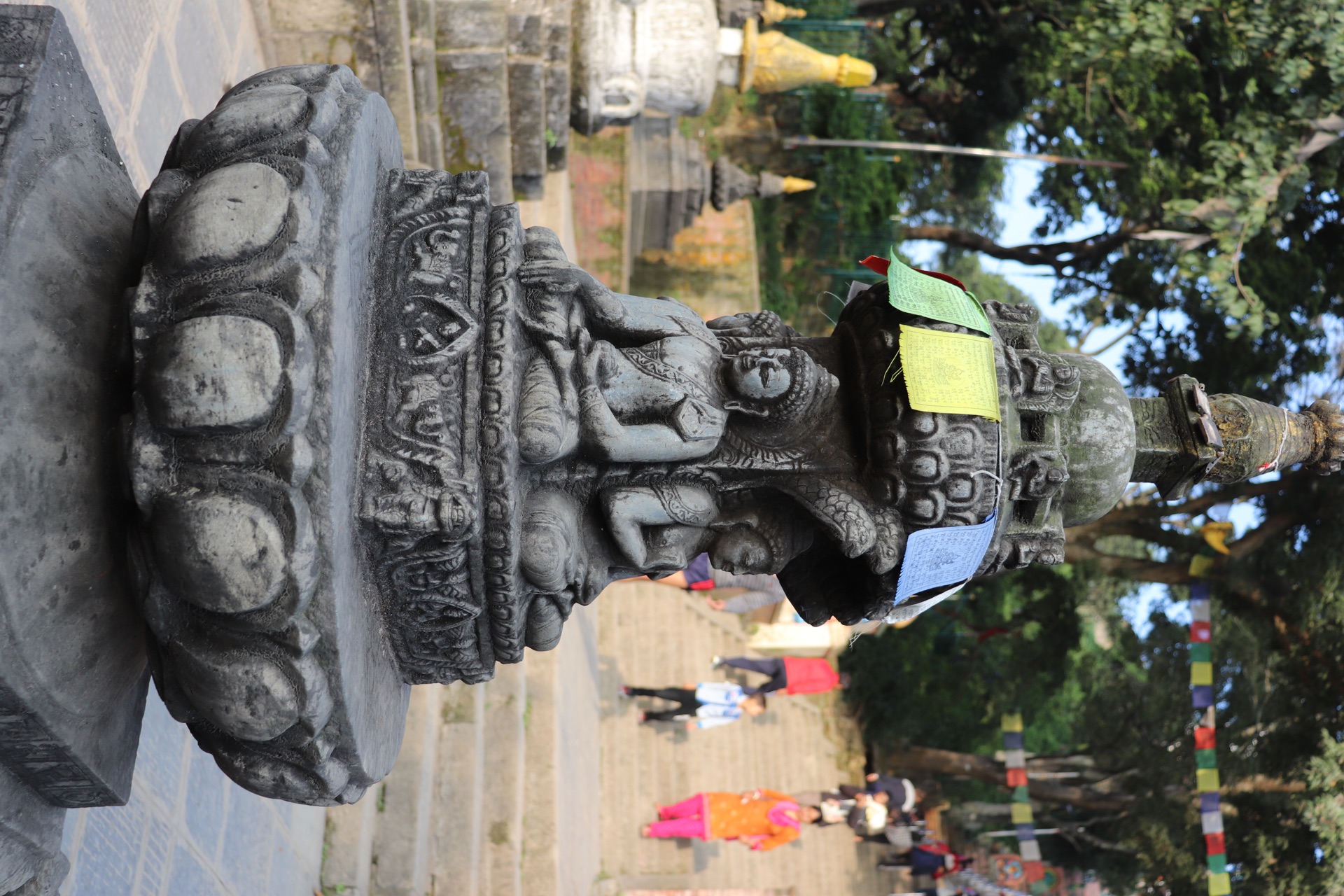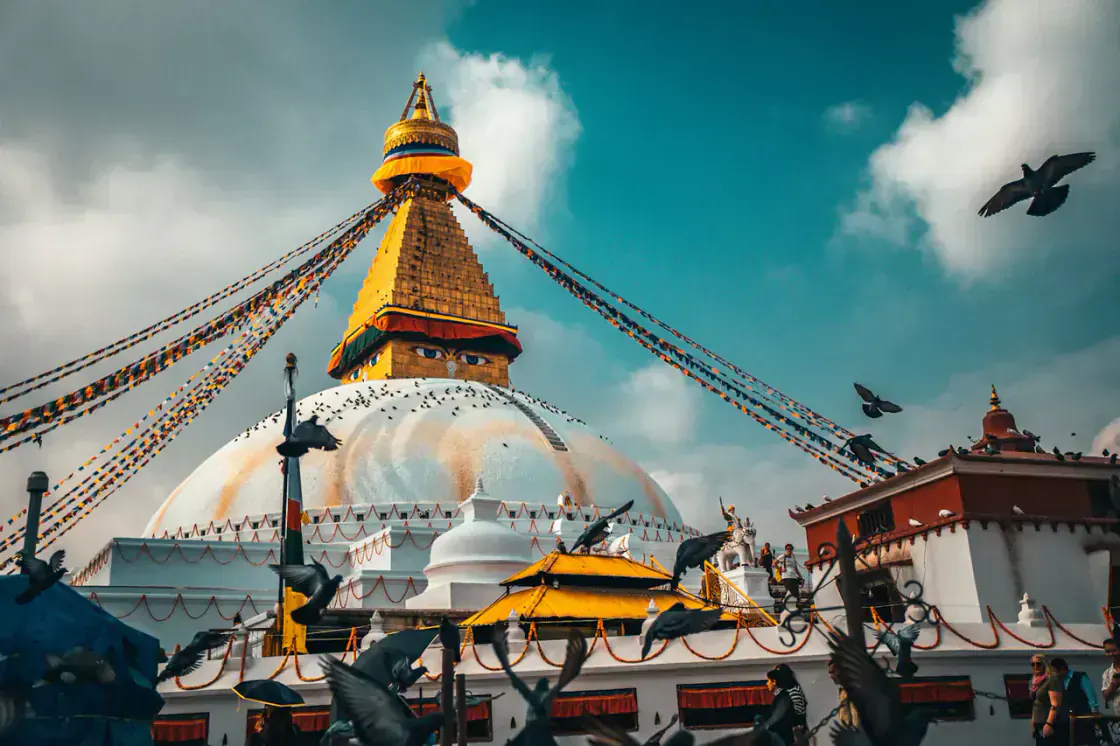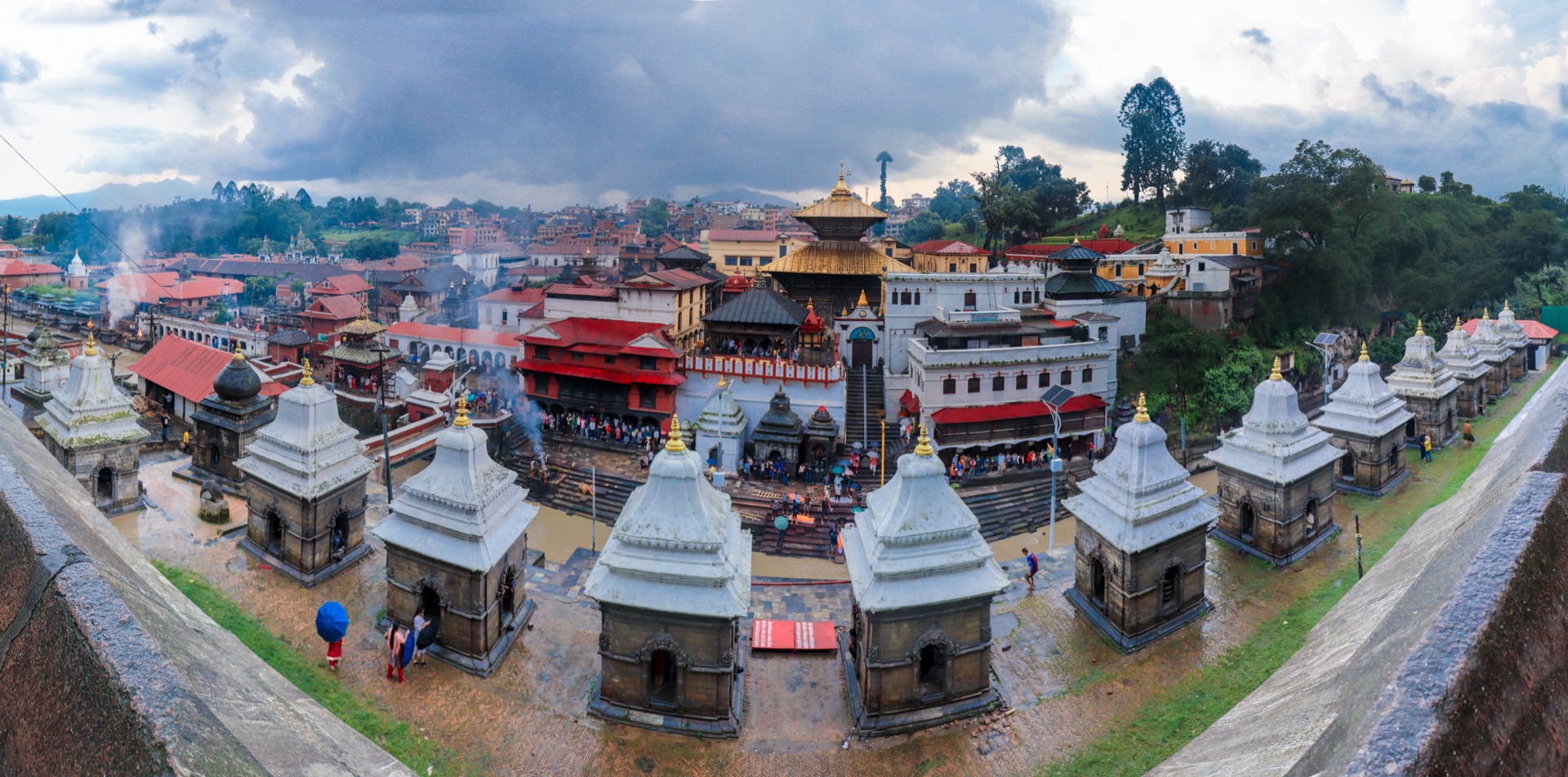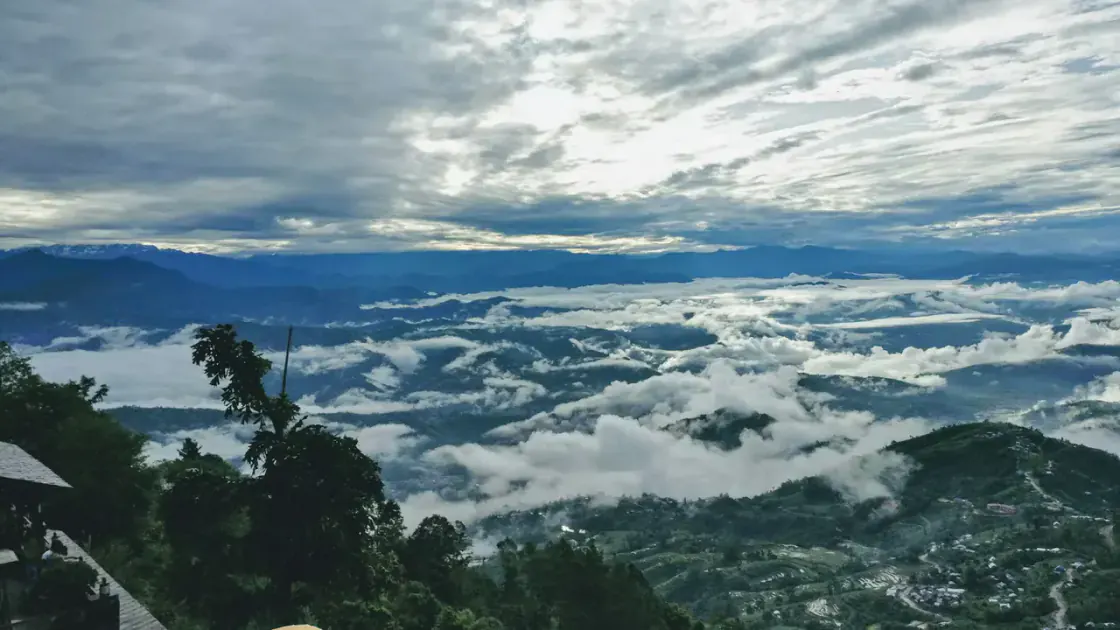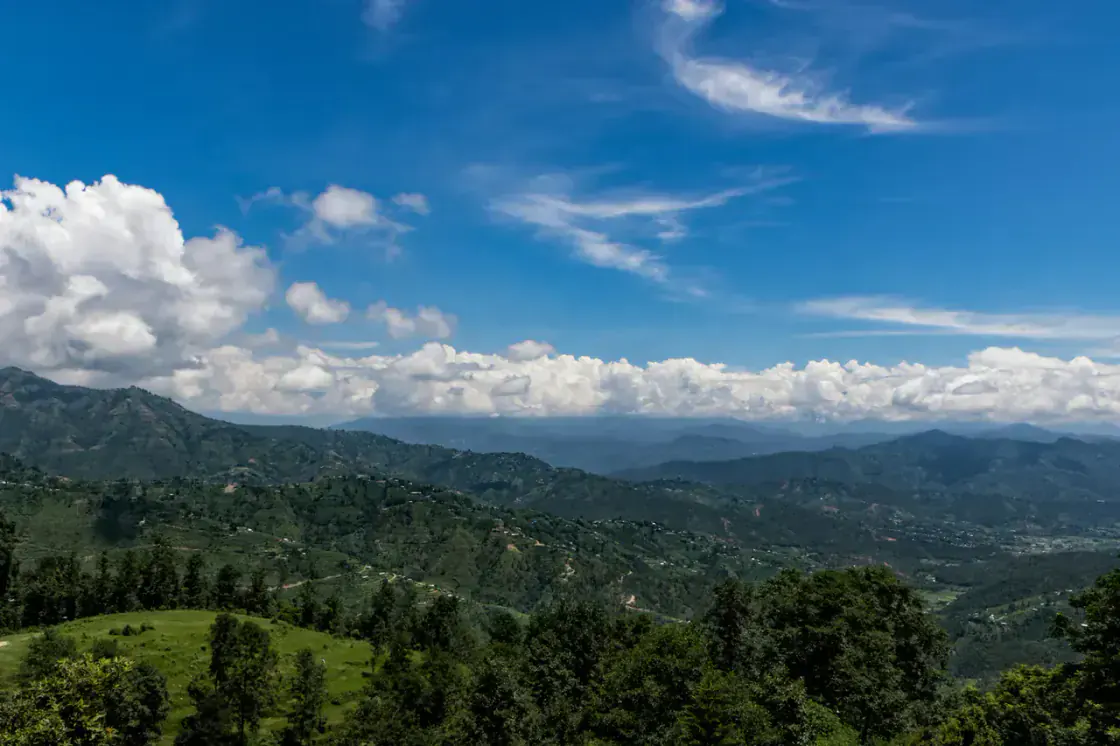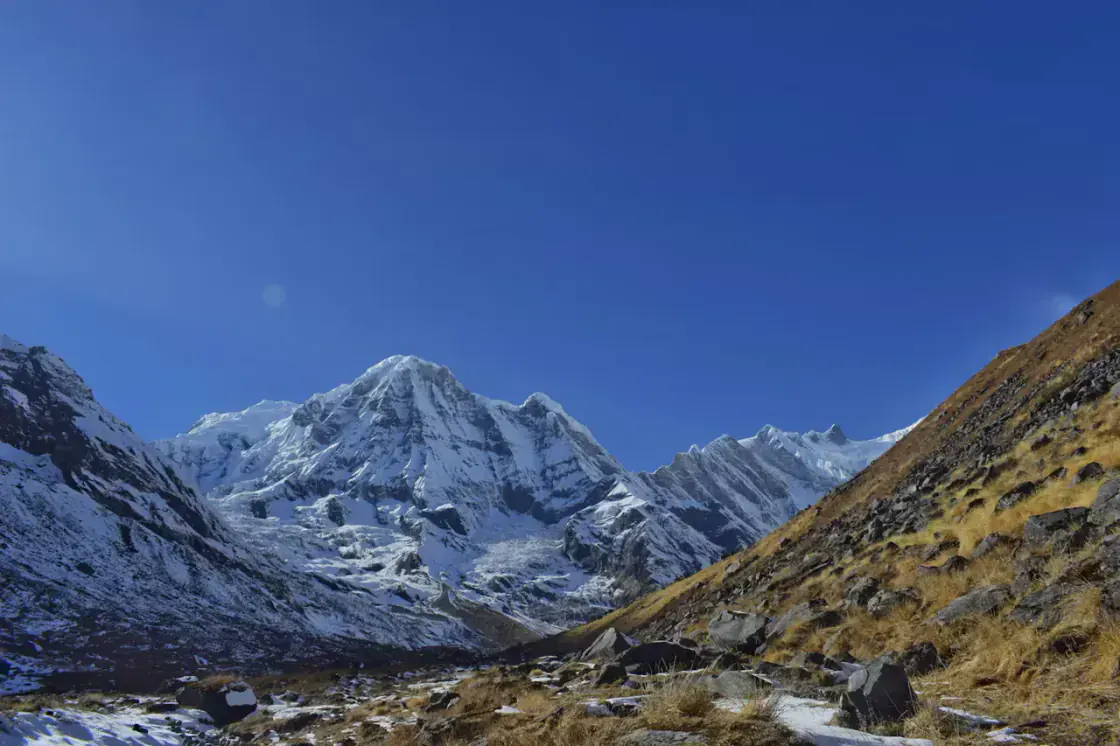
Annapurna trekking route in Nepal

Complete Annapurna Region travel guide

Annapurna Region

The Annapurna Region is Nepal's most flexible mountain destination, combining classic tea-house trekking, Gurung and Thakali villages, rhododendron forests, high passes, hot springs, sunrise ridges, and the dramatic Annapurna Sanctuary. This travel guide to Annapurna Region helps you choose the right route before you commit to days, permits, guides, and trailhead transport.

Province

Gandaki Province

Elevation

822 m to 5,416 m routes

Best season

Mar-May, Oct-Nov

Trip duration

4-14 days

Category

Trekking region

Difficulty

Moderate to hard

Why visit Annapurna Region

Why Annapurna Region belongs in a Nepal itinerary.

Natural beauty changes every day: lowland farms, oak and rhododendron forests, river valleys, high ridges, glacier views, and giant peaks including Annapurna I, Annapurna South, Machhapuchhre, Dhaulagiri, and Manaslu on clear routes.

Cultural depth is built into the walking. Gurung, Magar, Thakali, Manangi, and Tibetan-influenced communities shape lodge life, food, festivals, village architecture, and the generous tea-house rhythm that makes the region accessible.

Adventure ranges from first-trek routes around Ghandruk and Poon Hill to Annapurna Base Camp, Mardi Himal, Khopra Danda, Tilicho Lake, and the Thorong La side of the Annapurna Circuit.

Unique experiences include sunrise at Poon Hill, hot springs at Jhinu or Tatopani, high desert transitions toward Mustang, village homestay-style stays, and route recovery in Pokhara.

Top highlights

Top highlights in Annapurna Region.

Annapurna Base Camp trekking route in Nepal

Annapurna Base Camp

A classic sanctuary trek into a Himalayan amphitheater at 4,130 meters.

Poon Hill sunrise trekking viewpoint in Nepal

Poon Hill Sunrise

A shorter route famous for early light over Dhaulagiri and Annapurna ranges.

Ghandruk village and Annapurna views in Nepal

Ghandruk Village

Stone lanes, Gurung culture, lodges, and mountain views close to Pokhara.

Mardi Himal trekking route in Nepal

Mardi Himal Ridge

A compact ridge trek with close Machhapuchhre views and real weather exposure.

Mustang high desert road journey in Nepal

Annapurna Circuit

A longer multi-valley journey shaped by Manang, Thorong La, Muktinath, and Mustang edges.

Pokhara travel base near Phewa Lake in Nepal

Pokhara Gateway

The practical base for permits, guides, gear checks, transport, rest, and recovery.

Things to do

Best things to do in Annapurna Region.

Choose the right Annapurna route

The region is not one trail. Ghandruk, Poon Hill, Mardi Himal, Annapurna Base Camp, and circuit-style plans need different days and fitness.

Best time: Before leaving Pokhara

Tip: Choose route length before booking transport.

Use village lodge rhythm

Annapurna trekking is built around tea houses, villages, forests, ridges, and gradual altitude changes.

Best time: Oct-Nov or Mar-May

Tip: Book ahead in peak months and carry cash for lodges.

Build trailhead and exit logic

Road access changes the experience: some routes start or end with jeep transfers, rough roads, or long descents.

Best time: Daylight hours

Tip: Keep one flexible day for road delays or tired legs.

Best time to visit Annapurna Region

Season-by-season planning comparison.

Spring

WeatherMild to warm days; flowers and clearer mornings in hill and mountain areas.

VisibilityGood early, hazier later in the day.

Crowd levelModerate to high on popular routes.

Recommended activitiesTrekking, heritage walks, photography, wildlife mornings.

Summer

WeatherMonsoon rain, humidity, leeches on some trails, and possible road delays.

VisibilityOften limited by cloud and haze.

Crowd levelLower, except domestic holiday periods.

Recommended activitiesCulture, food, flexible lowland or rain-shadow plans.

Autumn

WeatherStable, comfortable, and the most reliable planning season.

VisibilityUsually the clearest mountain visibility.

Crowd levelHighest on famous routes and viewpoints.

Recommended activitiesTrekking, safari, sunrise, festivals, photography.

Winter

WeatherCold mornings, dry air, and snow risk at higher elevations.

VisibilityOften excellent from hills and cities.

Crowd levelLower to moderate depending on place.

Recommended activitiesHeritage, wildlife, viewpoints, lower-altitude walks.

How to reach Annapurna Region

Choose the access route before booking the stay.

From Kathmandu

Use the main trekking or road gateway for the region, then continue by flight, jeep, bus, or walking route as conditions allow.

From Pokhara

Pokhara is useful for Annapurna and Mustang routes, while Everest and Langtang usually work better from Kathmandu.

By flight

Flights can save time on some routes but need weather buffer days and flexible onward plans.

Annapurna Region itinerary

Sample day-by-day travel plan.

D1

1-day plan

Poon Hill or Ghandruk routes suit travelers who want mountain villages without a long expedition.

D2

7-day plan

ABC needs more days, altitude awareness, and weather patience.

D3

Connected route

Combine Annapurna Region with Annapurna Conservation Area and Annapurna Base Camp and Mardi Region only when the sequence reduces backtracking and leaves daylight for transfers.

D4

Slow-travel version

Add one extra night if you want quieter mornings, local food, flexible weather, and enough time to recover before moving on.

Local culture

Culture, traditions, festivals, and food in Annapurna Region.

Ethnic communities

Gurung, Magar, Thakali, Manangi, and Tibetan-influenced communities give different valleys their own food, dress, language, architecture, and hospitality traditions.

Traditions and festivals

Village festivals, monastery rituals, harvest seasons, and family ceremonies may appear along routes. Travelers should ask before photographing people or ceremonies.

Food

Dal bhat powers the trail, while Tibetan bread, thukpa, apple pie, yak cheese, buckwheat dishes, and Thakali meals add regional texture.

Photo gallery

Visual moments from Annapurna Region and nearby routes.

Annapurna trekking route in Nepal

Annapurna Region

Annapurna Base Camp trekking route in Nepal

Annapurna Base Camp

Poon Hill sunrise trekking viewpoint in Nepal

Poon Hill

Ghandruk village and Annapurna views in Nepal

Ghandruk

Mardi Himal trekking route in Nepal

Mardi Himal Region

Pokhara travel base near Phewa Lake in Nepal

Pokhara

Travel tips

Packing, safety, budget, and connectivity notes.

Packing tips

building a tight schedule without buffer days for roads, flights, landslides, or local delays.

Safety tips

underestimating altitude, lodge spacing, permits, weather changes, and descent fatigue.

Budget tips

Carry cash for small lodges, local food, entry fees, guides, taxis, and places where card payment or ATMs are unreliable.

Connectivity

Buy a Nepal SIM in a major city, download offline maps, save permits/bookings, and expect weak signal outside main hubs.

FAQ

Common questions about Annapurna Region.

Is Annapurna Region worth visiting?

Annapurna Region is worth visiting if you want flexible trekking choices across villages, ridges, hot springs, and base-camp routes. It is strongest when the stop improves your route rather than adding a random detour.

How many days should I stay in Annapurna Region?

Plan 7 days or more. Add buffer time if you are combining it with long road travel, trekking, wildlife activities, or weather-sensitive viewpoints.

What is the best time to visit Annapurna Region?

Oct, Nov, Mar, Apr, May are usually the best planning months for Annapurna Region. Outside those months, check heat, rain, haze, road conditions, or mountain visibility before locking the route.

What are the top things to do in Annapurna Region?

Start with choose the right annapurna route. Other good choices include use village lodge rhythm, build trailhead and exit logic.

How much does Annapurna Region cost?

Budget travelers should keep costs simple with local transport and basic meals. Mid-range travelers usually spend more on better location, private transfers, and guided activities. Higher-comfort travelers should budget for stronger logistics, better stays, and buffer days.

How do I reach Annapurna Region?

Use the main trekking or road gateway for the region, then continue by flight, jeep, bus, or walking route as conditions allow.

Where should I stay for Annapurna Region?

Gateway town usually works best for arrival, permits, gear, and guide coordination. Stay here before committing to the trail or remote road section.

Is Annapurna Region safe for solo travelers?

Annapurna Region can work for solo travelers, but a licensed guide or registered operator is strongly recommended because route conditions, altitude, remoteness, or permits can matter.

Is Annapurna Region family friendly?

Annapurna Region is better for active families or older children because the route may involve longer roads, altitude, trekking, or remote logistics.

What mistake should I avoid in Annapurna Region?

The most common mistake is building a tight schedule without buffer days for roads, flights, landslides, or local delays.

Related destinations

Strong internal links for smarter Nepal route planning.

Plan the route

Compare Annapurna Region with nearby Nepal destinations.

Use the route planner to connect this destination with Kathmandu, Pokhara, Chitwan, Lumbini, Mustang, Everest Region, Rara Lake, Annapurna Region, Langtang Valley, Bhaktapur, Patan, Bandipur, Nagarkot, Janakpur, Bardia National Park, and Koshi Tappu Wildlife Reserve.

Open route planner

Travel utility checklist

Annapurna Region travel planning essentials

Use these structured notes as a planning checklist, then verify seasonal conditions, transport, permits, and local services close to travel.

Last verified: 2026-07-09

Permit Information

Permit status

Check protected-area or restricted-area rules before travel

This site explains requirements, but official permit services remain the source of truth.

Documents to keep ready

Passport, visa, passport photos, and printed or offline permit copies where required

Transport Options

Route planning

Compare this stop with nearby places in the route planner

Transport certainty

Confirm road, flight, or trail access locally

Estimated Costs

Budget level

medium

Stay length

7 days suggested by the destination dataset

Emergency And Health

Safety level

guide-recommended

Hospital information

Use local city hospitals or clinics; confirm nearest facility before remote side trips

Emergency contacts

Save Tourist Police and local operator or hotel contacts offline

ATM, Internet And SIM

ATM availability

Available in main towns or hubs

Carry enough cash before leaving a gateway town.

Internet and SIM

Mobile signal can vary by route and weather

Altitude, Weather And Seasons

Altitude

4,130 m

Best months

Oct, Nov, Mar, Apr, May

Weather check

Check current conditions before booking transport or trekking days

Packing Tips

Core packing

Layered clothing, rain protection, water bottle, offline maps, power bank, and copies of documents

Terrain note

Pack for longer walking days, weather shifts, and colder mornings

Nearby Places

Next step

Use related destination links and the route planner to connect this page into a wider itinerary

Travel warnings and verification notes

  • Do not treat estimated costs or permit summaries as official services.
  • Verify road, flight, trail, and weather conditions close to departure.

Smart route check

Plan Annapurna Region by travel order, not just by popularity.

This is where Discover Nepal Hub is different: the goal is to reduce backtracking, missed nearby places, and confusing Nepal route choices.

Compare this route in the planner

Best route direction

Kathmandu or Pokhara -> gateway town -> mountain route: mountain destinations need staging, permits, weather checks, and exit buffers.

Useful next move

Annapurna Region -> Annapurna Conservation Area: Annapurna Conservation Area is close enough to help build a cleaner regional route instead of adding a disconnected detour.

Mistake to avoid

Building a tight schedule without buffer days for roads, flights, landslides, or local delays.

Destination decision panel

Decide if Annapurna Region belongs in your Nepal itinerary.

Annapurna Region is best understood through flexible trekking choices across villages, ridges, hot springs, and base-camp routes.

Best for

adventure travelers, trekkers, photographers, culture seekers

Not ideal for

travelers avoiding long walks, altitude, simple lodges, or permit planning

Recommended stay

7 days or more

Budget level

Moderate

Difficulty level

hard

Family suitability

Better for active families

Solo traveler suitability

Possible with guide support

First-time Nepal visitor

Better after easier Nepal stops

Who should visit

Match Annapurna Region to the right traveler type.

Trekkers

Why it fits: Annapurna Region fits trekkers because the route depends on trail pacing, lodges, altitude decisions, and clear exit planning.

Why it may not fit: It may not fit travelers who want paved-road sightseeing, fixed comfort, or no buffer days.

Photographers

Why it fits: Annapurna Region rewards photographers who plan around morning light, weather, and the specific trekking / mountains setting.

Why it may not fit: It may disappoint if the visit is squeezed into harsh midday light or poor visibility.

Culture seekers

Why it fits: Annapurna Region fits travelers who want context, local rhythm, and respectful time around trekking and mountains sites.

Why it may not fit: It may not fit travelers who only want quick photos without slower cultural attention.

Premium or remote-route travelers

Why it fits: Annapurna Region fits travelers willing to pay for smoother logistics, better timing, and stronger local support.

Why it may not fit: It may not fit strict budget travelers unless they accept slower transport and simpler stays.

Things to do

Practical activities for Annapurna Region.

Choose the right Annapurna route

The region is not one trail. Ghandruk, Poon Hill, Mardi Himal, Annapurna Base Camp, and circuit-style plans need different days and fitness.

Time: Planning day plus 3-12 trek days

Cost: Route dependent

Best time: Before leaving Pokhara

Tip: Choose route length before booking transport.

Use village lodge rhythm

Annapurna trekking is built around tea houses, villages, forests, ridges, and gradual altitude changes.

Time: Several days

Cost: Moderate trek budget

Best time: Oct-Nov or Mar-May

Tip: Book ahead in peak months and carry cash for lodges.

Build trailhead and exit logic

Road access changes the experience: some routes start or end with jeep transfers, rough roads, or long descents.

Time: Half day each side

Cost: Jeep/bus costs vary

Best time: Daylight hours

Tip: Keep one flexible day for road delays or tired legs.

How to reach

From Kathmandu

Use the main trekking or road gateway for the region, then continue by flight, jeep, bus, or walking route as conditions allow.

From Pokhara

Pokhara is useful for Annapurna and Mustang routes, while Everest and Langtang usually work better from Kathmandu.

By flight

Flights can save time on some routes but need weather buffer days and flexible onward plans.

Where to stay

Gateway town

Stay here before committing to the trail or remote road section.

Route lodges

Expect simple rooms, variable showers, charging limits, and cash payments.

Common mistakes

  • building a tight schedule without buffer days for roads, flights, landslides, or local delays.
  • underestimating altitude, lodge spacing, permits, weather changes, and descent fatigue.
  • treating Annapurna Region as a quick pin instead of matching it to your route sequence.
  • forgetting cash for small tickets, local transport, snacks, tips, toilets, or remote payments.

Local food and experiences

Tea-house meals

Dal bhat, soup, noodles, eggs, tea, and lodge dining shape daily mountain rhythm.

Village conversations

Use local lodges and guides where possible; the route is cultural as well as scenic.

Morning mountain light

Clear mornings usually matter more than late-afternoon plans in Himalayan regions.

Destination connections

Kathmandu or Pokhara -> gateway town -> mountain route

mountain destinations need staging, permits, weather checks, and exit buffers.

Annapurna Region -> Annapurna Conservation Area

Annapurna Conservation Area is close enough to help build a cleaner regional route instead of adding a disconnected detour.

Annapurna Region -> Annapurna Base Camp

Annapurna Base Camp is close enough to help build a cleaner regional route instead of adding a disconnected detour.

Trip planning insights

The decisions to make before booking Annapurna Region.

How many days should I stay?

7 days or more is the practical first-plan answer. Add time if Annapurna Region is part of a longer route, weather-dependent activity, trekking stage, or remote transfer.

When should I skip this destination?

Skip it on a tight schedule, with weak fitness, or without buffer days for weather, altitude, and transport.

What season is best?

Oct, Nov, Mar, Apr, May are the strongest months because mountain routes need clearer weather, safer trails, and better visibility. Monsoon and deep winter can make logistics harder.

Can it be visited year-round?

Not comfortably for every traveler. Access, weather, altitude, landslides, snow, or flight reliability can make some months much harder.

What type of trip benefits most?

Annapurna Region works best in a trip built around adventure travelers, trekkers, photographers, culture seekers rather than a route that adds stops only because they look close on a map.

Cookie choices

Essential storage keeps this choice. Analytics cookies only load if you accept them. Read the privacy policy.