Janakpur, Mithila Nepal
The Sacred City of Janaki
Janakpur is one of Nepal's most important Hindu pilgrimage cities, known as the birthplace of Goddess Sita and loved for Janaki Mandir, Mithila culture, Ramayana heritage, festivals, art, and devotion.
Religious importance
Birthplace tradition of Goddess Sita
Best season
Oct-Mar, festival dates
Travel style
Pilgrimage, culture, art, city walks
Cultural identity
Mithila art, Maithil tradition, Ramayana heritage
What makes Janakpur special
A Hindu pilgrimage city where Mithila culture is visible, devotional, and alive.
Janakpur is not a mountain stop or a quiet heritage town. It is a warm Terai city of temple devotion, Ramayana memory, sacred ponds, Mithila identity, festival crowds, local color, and living Hindu tradition.
Birthplace Of Sita
Janakpur is deeply tied to the birthplace tradition of Goddess Sita, known locally with devotion as Janaki.
Ramayana Heritage
The city carries living memory of Ram and Sita through temples, stories, rituals, festivals, and pilgrimage movement.
Mithila Identity
Mithila art, Maithil culture, local clothing, language, ritual, food, and color shape the city's everyday atmosphere.
Festive Devotion
Janakpur becomes most powerful when bells, music, processions, temple lights, and gathered devotees fill the streets.
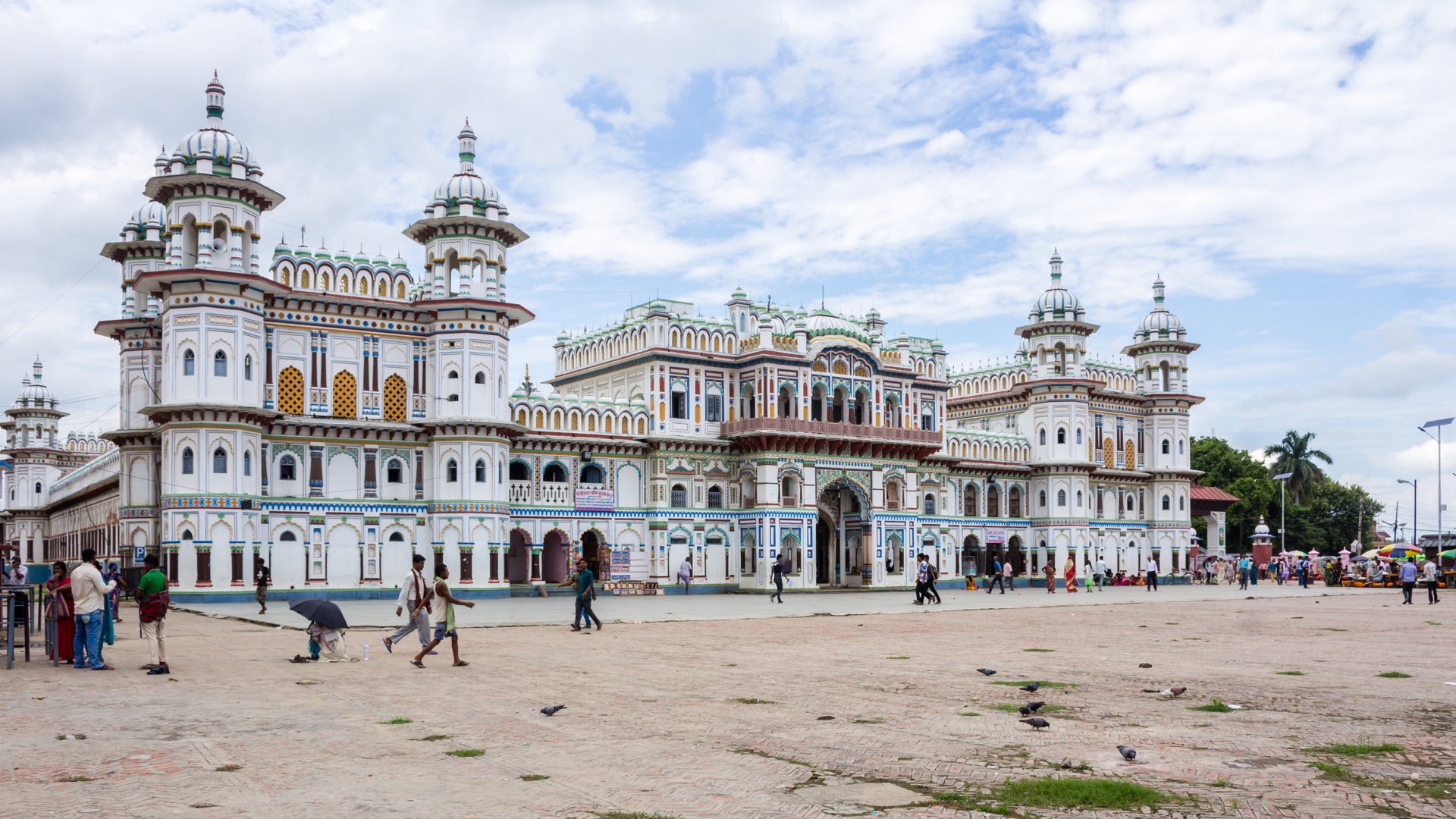
Janaki Mandir
The temple is the emotional center of Janakpur.
Janaki Mandir is where Janakpur becomes unmistakable: bright architecture, prayer movement, bells, offerings, families, pilgrims, and a devotional atmosphere connected with Sita and Ram.

Devotional atmosphere
Bells, color, prayer, temple lights, and a city gathered around Janaki.
Ramayana and spiritual heritage
Janakpur's meaning comes from story, worship, and memory.
The city is one of Nepal's strongest spiritual destinations because Ramayana heritage is not abstract here. It lives through pilgrimage, Vivah Panchami, temple rituals, and devotion to Sita and Ram.
Ram And Sita Story
Janakpur is remembered through the Ramayana as the city of King Janak and the sacred story of Sita and Ram.
Pilgrimage Meaning
Devotees come for blessings, prayer, temple darshan, festival rituals, and emotional connection with Janaki Mandir.
Vivah Panchami
The symbolic wedding celebration of Ram and Sita fills Janakpur with processions, devotion, music, and crowds.
Living Tradition
The city's spiritual identity is not kept behind glass; it is heard in bells, seen in offerings, and felt in daily temple rhythm.
Mithila culture and art
Color is part of Janakpur's cultural language.
Mithila culture shapes Janakpur visually and emotionally through painting, ritual, festivals, fabric, local markets, Maithil tradition, and community identity.
Mithila paintings use strong lines, symbolic figures, natural motifs, ritual themes, and bright color.
Local homes, markets, clothing, wedding traditions, and festival decorations carry a visual identity different from hill Nepal.
Women artists and Maithil community traditions help keep the region's artistic language alive.
Janakpur feels vivid because spirituality, household art, temple life, and public celebration overlap.
Temples, ponds, and sacred places
Explore Janakpur through its devotional geography.
Janakpur is best understood by moving slowly between Janaki Mandir, Ram Mandir, sacred ponds, temple lanes, and local gathering spaces.
Janaki Mandir
Spiritual importance: The devotional center of Janakpur and the city's most important pilgrimage landmark.
Atmosphere: White architecture, prayer movement, bells, offerings, temple lights, and gathered devotees.
Visitor experience: Visit slowly, return in the evening if possible, and let the temple rhythm shape the day.
Ram Mandir
Spiritual importance: A key Ramayana-linked temple space connected with worship and local spiritual circuits.
Atmosphere: Smaller, devotional, and closely tied to the city's temple-walking rhythm.
Visitor experience: Best explored with Janaki Mandir and nearby sacred ponds rather than as an isolated stop.
Dhanush Sagar
Spiritual importance: One of Janakpur's important sacred ponds near the spiritual core of the city.
Atmosphere: Water, temple edges, local gathering, ritual memory, and reflective Terai light.
Visitor experience: Walk respectfully around the pond area and observe how daily life and devotion meet.
Ganga Sagar
Spiritual importance: A major pond area where Janakpur's sacred geography becomes visible beyond temple walls.
Atmosphere: Open water, prayer moments, local movement, and a calmer pause from busy streets.
Visitor experience: Visit in softer light and treat the area as sacred public space, not just scenery.
Festivals and religious atmosphere
Janakpur becomes most vivid when devotion fills the streets.
Festivals bring out the city's most powerful identity: processions, music, lights, prayer, color, and a devotional rhythm that can transform ordinary streets into sacred movement.
Vivah Panchami
The most iconic Janakpur festival, celebrating the wedding of Ram and Sita with processions, lights, music, and heavy pilgrimage energy.
Ram Navami
A major devotional period linked with Ram, temple gatherings, prayer, and a stronger spiritual atmosphere across the city.
Daily Temple Evenings
Even outside large festivals, Janakpur can feel alive through evening lights, bells, local markets, and devotional movement.
Experience Janakpur
The city is felt through movement, sound, color, and devotion.
Janakpur works best when travelers slow down: temple streets, sacred ponds, market edges, bells, evening light, and Mithila color reveal the destination gradually.
Walk toward Janaki Mandir through warm streets colored by temple shops and local movement.
Hear bells, prayers, and devotional music rise around the temple courtyard.
Pause near sacred ponds where water, ritual, and city life share the same space.
Notice Mithila patterns, bright fabrics, painted details, and festival color in ordinary surroundings.
Return near evening when Janaki Mandir feels softer, brighter, and more devotional.
Let Janakpur feel like a living Hindu cultural city, not a quick photo stop.
Continue your journey
Janakpur connects naturally with Nepal's spiritual, cultural, and Terai routes.
Use Janakpur as a devotional and Mithila cultural anchor before continuing toward Kathmandu heritage, Lumbini spirituality, Chitwan wildlife, or deeper cultural tourism.

Kathmandu
Continue from Janakpur into Nepal's broader heritage system of temples, old courtyards, stupas, and cultural neighborhoods.

Lumbini
Pair Janakpur's Hindu devotional identity with Lumbini's quiet Buddhist spiritual landscape.

Chitwan
Shift from temple streets and Mithila culture into Terai forests, rivers, wildlife, and Tharu cultural context.

Mithila Villages
Use Janakpur as a doorway into Mithila art, household traditions, festivals, food, language, and local community rhythm.
Practical visitor information
Plan Janakpur around devotion, heat, festivals, and slow temple movement.
Janakpur is easy to visit, but the best experience comes from respecting temple rhythm, Terai weather, festival crowds, local walking, and the city's spiritual purpose.
Best Time
October to March is generally most comfortable. Late spring and monsoon can feel hot and humid.
Festival Seasons
Vivah Panchami and Ram Navami bring powerful atmosphere, but hotels, streets, and temple areas can become crowded.
Transport Access
Janakpur can be reached by road and domestic air connections depending on current schedules and route conditions.
Local Stays
Expect practical city hotels and pilgrimage-oriented accommodation rather than resort-style stays.
Walking Access
The temple core, ponds, markets, and nearby sacred places are best understood through slow local walking.
Recommended Duration
Plan one full day for the core city, or two days during festivals and deeper Mithila culture exploration.
FAQ
Common questions about Janakpur.
Short answers for Janaki Mandir, Mithila culture, festival timing, duration, and respectful travel.
What is Janakpur famous for?
Janakpur is famous for Janaki Mandir, the birthplace tradition of Goddess Sita, Ramayana heritage, Mithila culture, sacred ponds, Hindu festivals, and colorful devotional city life.
Is Janakpur a spiritual destination?
Yes. Janakpur is one of Nepal's most important Hindu pilgrimage cities, especially for devotees connected with Sita, Ram, Janaki Mandir, Vivah Panchami, and Ramayana tradition.
How many days are enough for Janakpur?
One full day can cover Janaki Mandir, Ram Mandir, sacred ponds, local markets, and evening temple atmosphere. Two days feel better during festivals or for slower Mithila culture exploration.
When is the best time to visit Janakpur?
October to March is usually more comfortable for Janakpur because the Terai heat is softer. Festival periods such as Vivah Panchami and Ram Navami are powerful but can be crowded.
What should travelers respect in Janakpur?
Dress respectfully around temples, move patiently through devotional gatherings, ask before photographing people closely, and treat sacred ponds and temple areas with care.