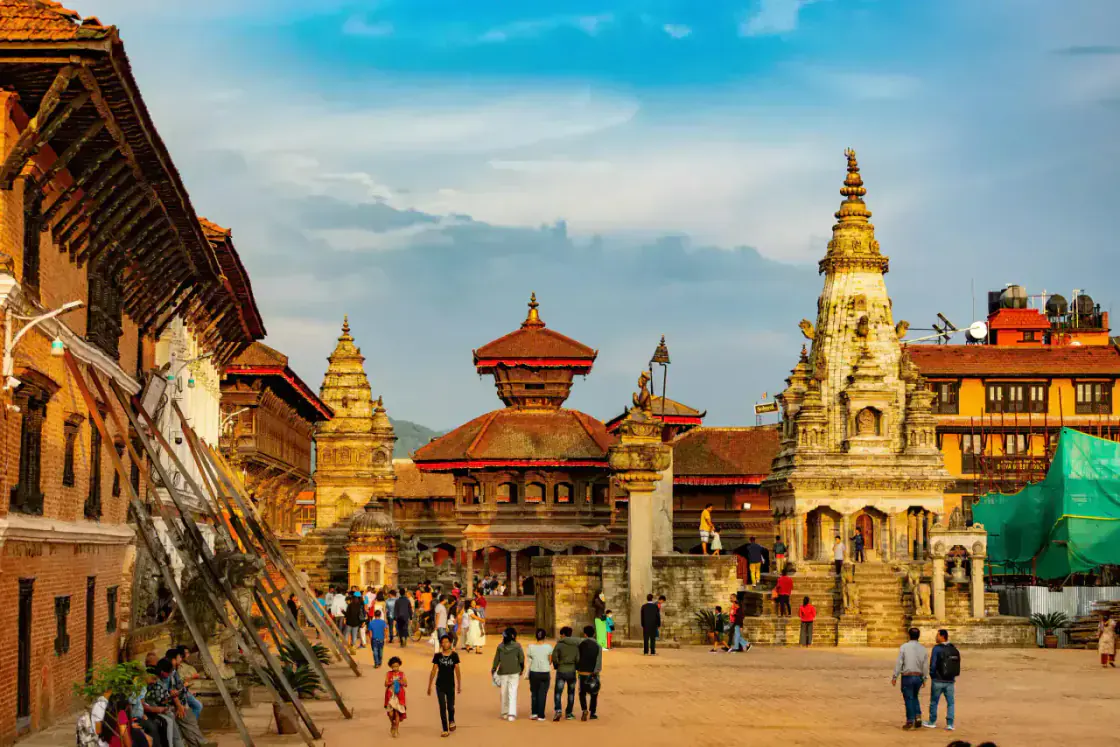
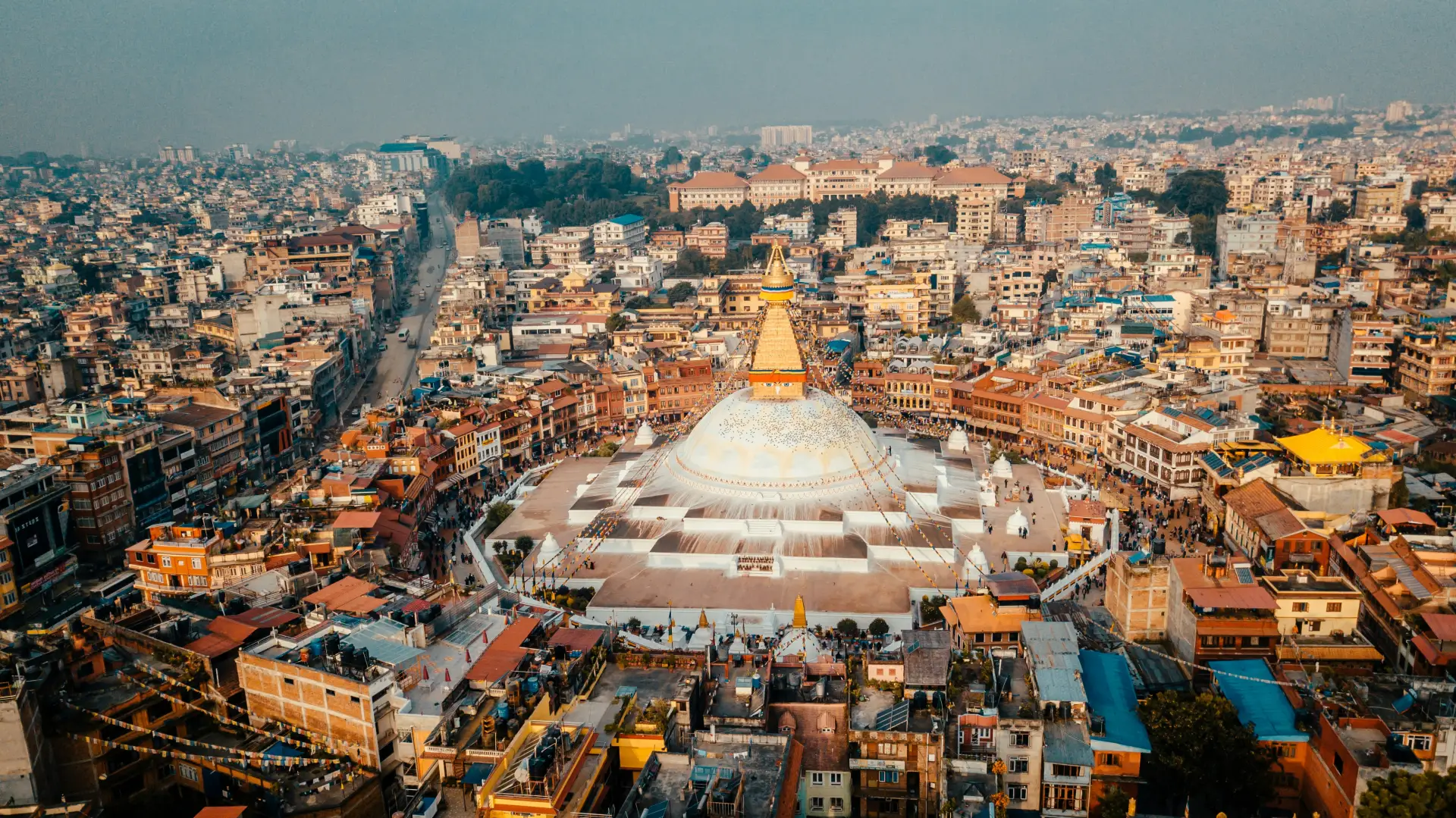
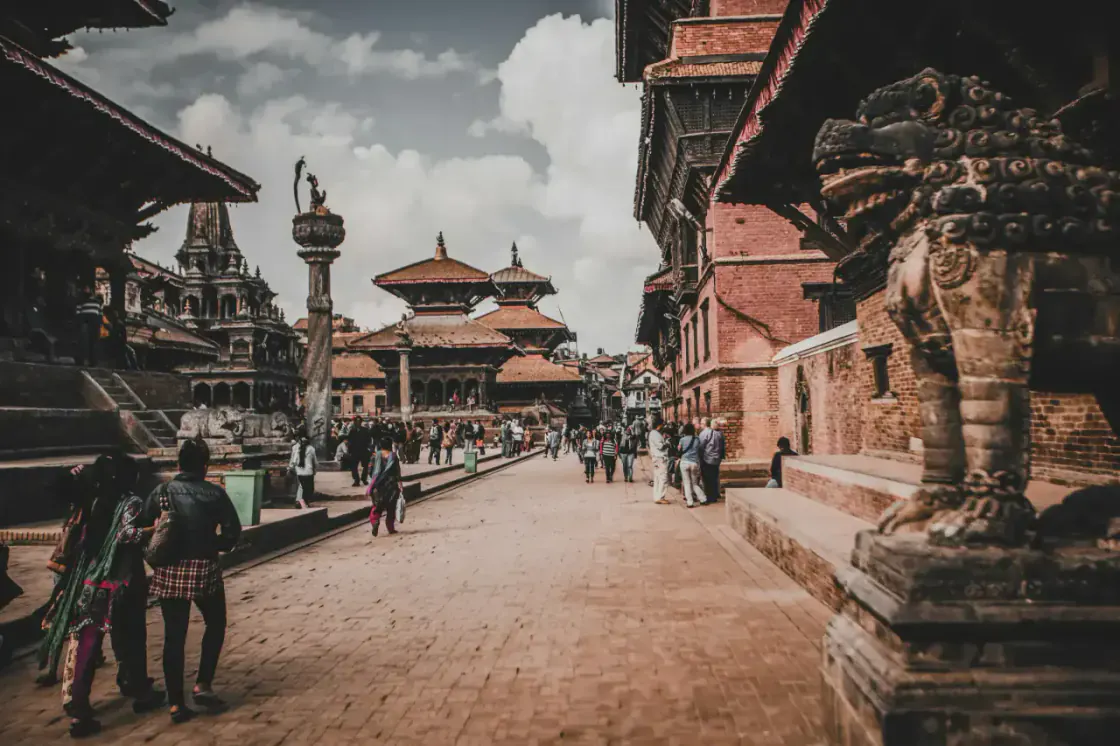
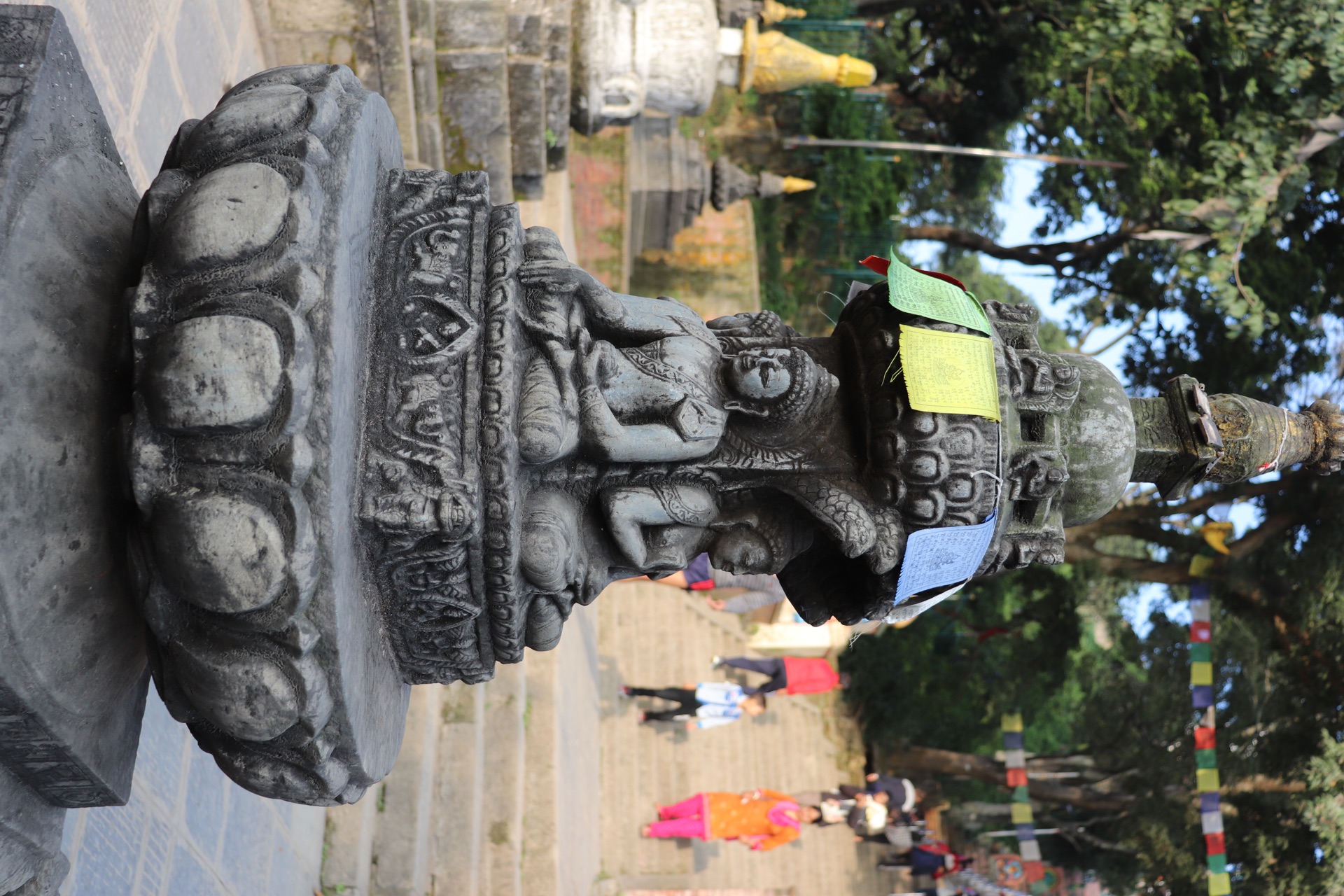
Bhaktapur Durbar Square heritage architecture and brick streets in Nepal

Bhaktapur, Kathmandu Valley

Nepal's Living Heritage City

Bhaktapur is one of Nepal's best-preserved ancient cities, known for Bhaktapur Durbar Square, temples, courtyards, Newari culture, traditional architecture, and a peaceful medieval atmosphere.

UNESCO heritage

Kathmandu Valley site

Best season

Oct-Dec, Mar-Apr

Recommended stay

Half day to 1 night

Travel style

Heritage walks, craft, food

What makes Bhaktapur special

A medieval city where heritage still belongs to daily life.

Bhaktapur is not a modern city stop or a quick monument checklist. It is a walkable heritage world of brick streets, carved wood, temples, courtyards, Newari culture, and artisan atmosphere.

A Preserved Medieval Atmosphere

Bhaktapur still feels shaped by brick streets, temple squares, carved windows, courtyards, and a slower city rhythm.

Newari Culture In Daily Life

The city is not only a historic site. Food, festivals, homes, workshops, rituals, and neighborhood life keep its identity visible.

Temples, Courtyards, And Craft

Royal squares, pagoda temples, pottery work, wood carving, and small shrines make Bhaktapur one of Nepal's richest walking cities.

Peaceful Exploration

Bhaktapur rewards travelers who move slowly, look up at details, turn into side lanes, and let the old city unfold.

Bhaktapur Durbar Square

The royal square is the heart of the old city.

Bhaktapur Durbar Square gives the city its first great sense of scale: palace courtyards, temple forms, carved windows, brick paving, museum corners, and the feeling of a royal city still breathing through public life.

Royal palace courtyards and historic public squares
Traditional windows, brick paving, temple plinths, and carved details
Museum areas and heritage corners that add context to the city
A strong first anchor for understanding Bhaktapur's cultural importance
Bhaktapur Durbar Square temples and traditional architecture

Durbar Square atmosphere

Temple bells, brick streets, carved windows, and a royal city rhythm.

Taumadhi Square and Nyatapola Temple

Bhaktapur rises powerfully around Nepal's tallest pagoda temple.

Taumadhi Square feels more vertical and dramatic. Nyatapola Temple, often described as Nepal's tallest pagoda-style temple, gives the city one of its most iconic silhouettes and a staircase atmosphere full of ritual, architecture, and local movement.

Architectural feeling

The temple staircase, guardian figures, pagoda tiers, and surrounding local life make Taumadhi one of the most visually powerful places in Bhaktapur.

Tall pagoda form

A reminder that Bhaktapur's heritage is both architectural and social: built forms, ritual spaces, and ordinary movement share the same square.

Temple staircase atmosphere

A reminder that Bhaktapur's heritage is both architectural and social: built forms, ritual spaces, and ordinary movement share the same square.

Local square life

A reminder that Bhaktapur's heritage is both architectural and social: built forms, ritual spaces, and ordinary movement share the same square.

Pottery Square and local craftsmanship

Clay, hands, sunlight, and open squares keep Bhaktapur alive.

Pottery Square is important because it shifts Bhaktapur from historic scenery into living work. Clay workshops, drying pottery, spinning wheels, artisan patience, and neighborhood life make the city feel human.

Pottery Square

Clay pots, open drying areas, spinning wheels, and artisan work make the city feel alive rather than frozen in history.

Wood Carving

Carved windows, doors, struts, and old facades reveal the patience of Newar craftsmanship throughout the city.

Everyday Workshops

Small craft spaces sit close to homes, temples, tea shops, and walking lanes, giving Bhaktapur a human scale.

Living Heritage

The strongest moments come when architecture, work, prayer, food, and local movement overlap naturally.

Dattatreya Square and hidden streets

The quieter side of Bhaktapur is where the city becomes timeless.

Beyond the strongest squares, Bhaktapur softens into traditional homes, wood carving culture, peaceful side streets, and local lifestyle. This is where slow travelers often find the most memorable texture.

Dattatreya Square

A quieter heritage zone with temples, old houses, woodwork, and a calmer local rhythm.

Side Courtyards

Small courtyards reveal shrines, brick walls, household movement, and the texture of everyday Bhaktapur.

Traditional Homes

The city is full of carved frames, weathered doors, upper balconies, and intimate residential lanes.

Slow Walking

Bhaktapur becomes more memorable when the route is not overplanned and the feet decide a little.

Newari culture and food

Bhaktapur's soul is cultural, social, and deeply local.

Newari traditions, festivals, food, community lifestyle, craftsmanship, and heritage preservation give Bhaktapur more depth than architecture alone. Taste Juju Dhau, notice the workshops, and let the old city feel lived in.

Juju Dhau

Bhaktapur's famous King Yogurt is one of the simplest and most meaningful food stops in the city.

Newari Food

Local snacks, feast traditions, and neighborhood eateries give the heritage walk a social flavor.

Festival Identity

Festival periods can fill the city with processions, music, ritual movement, and stronger community atmosphere.

Craft And Community

Bhaktapur's culture is visible through artisans, family shops, courtyards, temples, and shared public spaces.

Experience Bhaktapur

The city is best understood by walking without hurry.

Bhaktapur is an immersive heritage destination: narrow brick alleys, temple bells, quiet courtyards, artisans at work, evening golden light, and a peaceful atmosphere that makes the old city feel close.

1

Walk narrow brick alleys before the day becomes busy.

2

Listen for temple bells and neighborhood movement around the squares.

3

Pause in courtyards where old walls, small shrines, and local life meet.

4

Watch evening light warm the brick, wood, and pagoda roofs.

5

Let artisans, food stops, and quiet lanes become part of the route.

Practical visitor information

Simple details for a calmer Bhaktapur visit.

Bhaktapur is easy to enjoy when you treat it as a walking city, carry cash for entry and food, and leave enough time for squares, craft areas, side streets, and light changes.

Best Time To Visit

October to December and March to April usually offer comfortable walking, softer light, and stronger cultural atmosphere.

Recommended Stay

A half day works for a fast visit. One full day or overnight is better for sunrise, evening streets, food, and slower lanes.

Entry Information

Expect a heritage entry system around the old city. Carry cash and check the latest visitor rules before arrival.

Walking Access

Bhaktapur is best explored on foot. Brick lanes, steps, courtyards, and uneven paving are part of the experience.

Photography Mood

Early morning and late afternoon are strongest for warm brick color, temple silhouettes, and calmer street scenes.

Local Food Stops

Leave space for Juju Dhau, Newari snacks, tea, and small local eateries instead of rushing between monuments.

Weather Feel

Winter mornings can be cool, spring is pleasant, and monsoon can make streets glossy but less predictable.

Travel Style

This is a walking, noticing, tasting, and pausing destination. It is strongest without an aggressive checklist.

FAQ

Common questions about Bhaktapur.

Short answers for planning a heritage-focused visit to Nepal's living medieval city.

What is Bhaktapur famous for?

Bhaktapur is famous for Bhaktapur Durbar Square, Nyatapola Temple, Taumadhi Square, Pottery Square, Newari culture, Juju Dhau, brick streets, wooden carvings, and one of Nepal's best-preserved medieval city atmospheres.

Is Bhaktapur worth visiting?

Yes. Bhaktapur is one of the most culturally rich destinations in Kathmandu Valley, especially for travelers who enjoy ancient cities, temples, courtyards, traditional craft, local food, and peaceful walking exploration.

How much time do you need in Bhaktapur?

A focused half day can cover the main squares, but one full day or an overnight stay gives Bhaktapur more atmosphere, especially early morning and evening when the city feels calmer.

What are the best things to do in Bhaktapur?

The best things to do in Bhaktapur include exploring Bhaktapur Durbar Square, visiting Nyatapola Temple, walking Taumadhi Square, watching pottery work, tasting Juju Dhau, and wandering quieter Dattatreya-side streets.

When is the best time to visit Bhaktapur?

October to December and March to April are usually strong months for Bhaktapur because walking weather, festival atmosphere, photography light, and Kathmandu Valley visibility are often better.

Travel utility checklist

Bhaktapur travel planning essentials

Use these structured notes as a planning checklist, then verify seasonal conditions, transport, permits, and local services close to travel.

Last verified: 2026-07-09

Permit Information

Permit status

No destination-specific permit is listed in the current dataset

This site explains requirements, but official permit services remain the source of truth.

Documents to keep ready

Passport, visa, passport photos, and printed or offline permit copies where required

Transport Options

Route planning

Compare this stop with nearby places in the route planner

Transport certainty

Use main-route transport, then confirm same-week timing locally

Estimated Costs

Budget level

medium

Stay length

0.5 days suggested by the destination dataset

Emergency And Health

Safety level

standard

Hospital information

Use local city hospitals or clinics; confirm nearest facility before remote side trips

Emergency contacts

Save Tourist Police and local operator or hotel contacts offline

ATM, Internet And SIM

ATM availability

Available in main towns or hubs

Internet and SIM

SIM and mobile data are generally easiest to arrange in larger towns

Altitude, Weather And Seasons

Altitude

1,401 m

Best months

Oct, Nov, Dec, Jan, Mar, Apr

Weather check

Check current conditions before booking transport or trekking days

Packing Tips

Core packing

Layered clothing, rain protection, water bottle, offline maps, power bank, and copies of documents

Terrain note

Comfortable walking shoes are usually enough for core sightseeing

Nearby Places

Next step

Use related destination links and the route planner to connect this page into a wider itinerary

Travel warnings and verification notes

  • Do not treat estimated costs or permit summaries as official services.
  • Verify road, flight, trail, and weather conditions close to departure.

Smart route check

Plan Bhaktapur by travel order, not just by popularity.

This is where Discover Nepal Hub is different: the goal is to reduce backtracking, missed nearby places, and confusing Nepal route choices.

Compare this route in the planner

Best route direction

Kathmandu -> Bhaktapur -> Patan: the valley works best when heritage sites are grouped by traffic and walking energy.

Useful next move

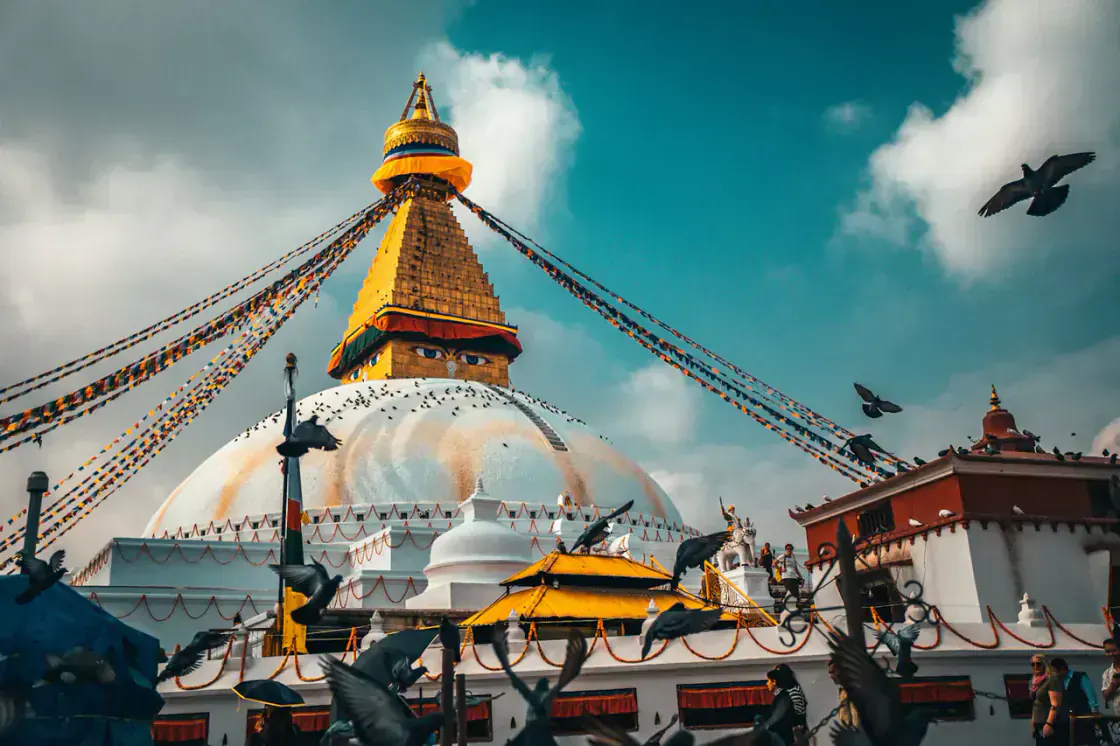
Bhaktapur -> Boudhanath: Boudhanath is close enough to help build a cleaner regional route instead of adding a disconnected detour.

Mistake to avoid

Treating Bhaktapur as a quick pin instead of matching it to your route sequence.

Destination decision panel

Decide if Bhaktapur belongs in your Nepal itinerary.

Bhaktapur is best understood through heritage, old city, craft experiences in Kathmandu Valley.

Best for

photographers, families, culture seekers, slow travelers

Not ideal for

travelers whose route would require major backtracking for a short stop

Recommended stay

Half day

Budget level

Moderate

Difficulty level

easy

Family suitability

Good with pacing

Solo traveler suitability

Good with normal precautions

First-time Nepal visitor

Strong fit

Who should visit

Match Bhaktapur to the right traveler type.

Photographers

Why it fits: Bhaktapur rewards photographers who plan around morning light, weather, and the specific heritage / old city setting.

Why it may not fit: It may disappoint if the visit is squeezed into harsh midday light or poor visibility.

Culture seekers

Why it fits: Bhaktapur fits travelers who want context, local rhythm, and respectful time around heritage and old city sites.

Why it may not fit: It may not fit travelers who only want quick photos without slower cultural attention.

Families

Why it fits: Bhaktapur can work for families when the day is paced around short transfers, meals, rest, and simple activity blocks.

Why it may not fit: It becomes harder when adults overpack the schedule or ignore heat, traffic, stairs, or tired children.

Things to do

Practical activities for Bhaktapur.

Morning palace square walk

Start with this because it reveals heritage, old city, craft experiences in Kathmandu Valley.

Time: 1-2 hours

Cost: Moderate

Best time: Clear-season morning

Tip: Start early for softer light and fewer crowds around courtyards and temple squares.

Pottery and craft lanes

Use this to add depth beyond the main arrival point in Bhaktapur.

Time: 1-2 hours

Cost: Moderate

Best time: Clear-season morning

Tip: Carry cash for entry tickets, small museums, tea stops, and local snacks.

Juju dhau or tea break

Use this to add depth beyond the main arrival point in Bhaktapur.

Time: 1-2 hours

Cost: Moderate

Best time: Clear-season morning

Tip: Ask before photographing worship, private courtyards, artisans, or ritual activity.

How to reach

From Kathmandu

Use taxi, ride-hailing, private car, or a guided half-day route. Short map distances can take longer in traffic.

From Pokhara

Travel first to Kathmandu by tourist bus, private vehicle, or flight, then use a local valley transfer.

By local transport

Local buses and microbuses can work for confident travelers, but stops and timing are less clear for first-time visitors.

Where to stay

Thamel or central Kathmandu

Best when you need restaurants, gear shops, taxis, and quick access to multiple valley routes.

Bhaktapur nearby base

Useful when early morning or evening atmosphere matters more than nightlife.

Common mistakes

  • treating Bhaktapur as a quick pin instead of matching it to your route sequence.
  • forgetting cash for small tickets, local transport, snacks, tips, toilets, or remote payments.
  • arriving too late in the day and losing the best light, transport window, or activity timing.
  • trusting map distance without checking real road time, traffic, trail condition, or weather.

Local food and experiences

Newar food and courtyards

Use local snacks, tea stops, and courtyard lanes to understand the valley beyond monument photos.

Artisan details

Woodwork, metalwork, brick, ritual objects, and small shrines are often the most memorable parts of the walk.

Market movement

Morning and late afternoon streets show more local life than quiet midday sightseeing.

Destination connections

Kathmandu -> Bhaktapur -> Patan

the valley works best when heritage sites are grouped by traffic and walking energy.

Bhaktapur -> Boudhanath

Boudhanath is close enough to help build a cleaner regional route instead of adding a disconnected detour.

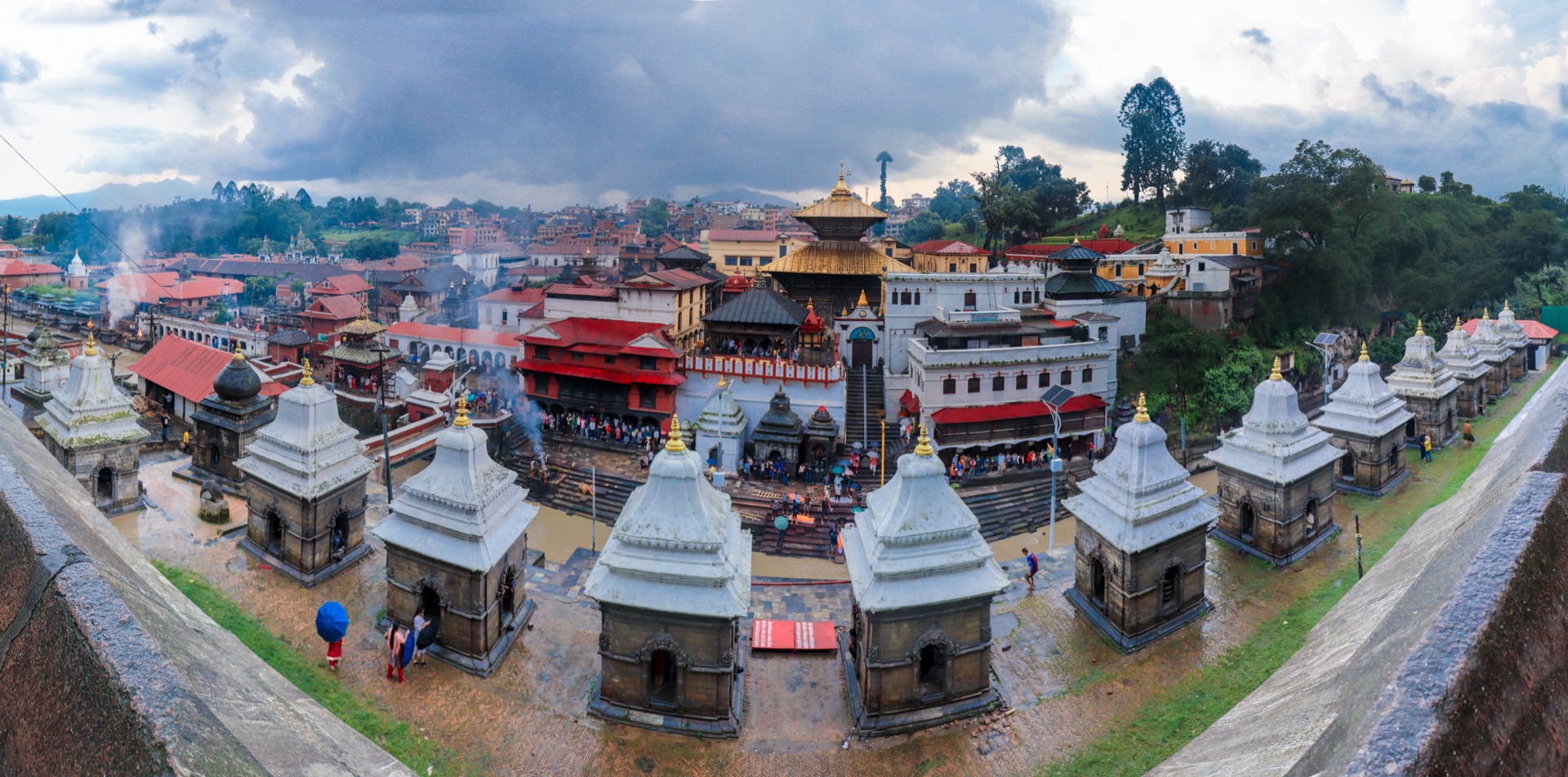
Bhaktapur -> Pashupatinath

Pashupatinath is close enough to help build a cleaner regional route instead of adding a disconnected detour.

Trip planning insights

The decisions to make before booking Bhaktapur.

How many days should I stay?

Half day is the practical first-plan answer. Add time if Bhaktapur is part of a longer route, weather-dependent activity, trekking stage, or remote transfer.

When should I skip this destination?

Skip it if adding the stop creates backtracking without giving you enough time to experience the place properly.

What season is best?

Oct, Nov, Dec, Jan, Mar, Apr are the easiest months for a comfortable visit. Outside these months, plan around heat, rain, haze, or reduced visibility.

Can it be visited year-round?

Usually yes, but the quality of the visit changes by season. In hotter or wetter months, start early and keep the route lighter.

What type of trip benefits most?

Bhaktapur works best in a trip built around photographers, families, culture seekers, slow travelers rather than a route that adds stops only because they look close on a map.

Cookie choices

Essential storage keeps this choice. Analytics cookies only load if you accept them. Read the privacy policy.