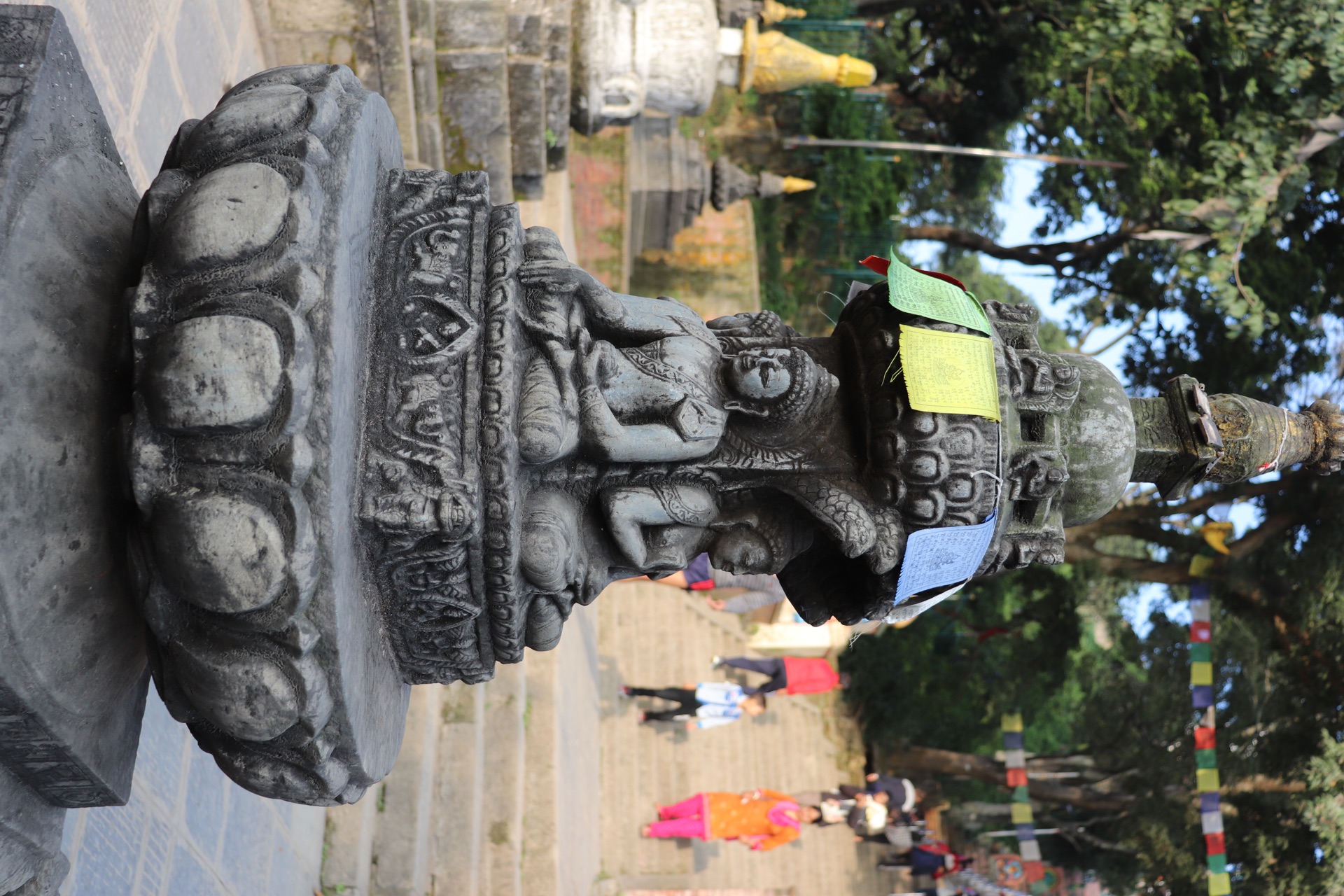
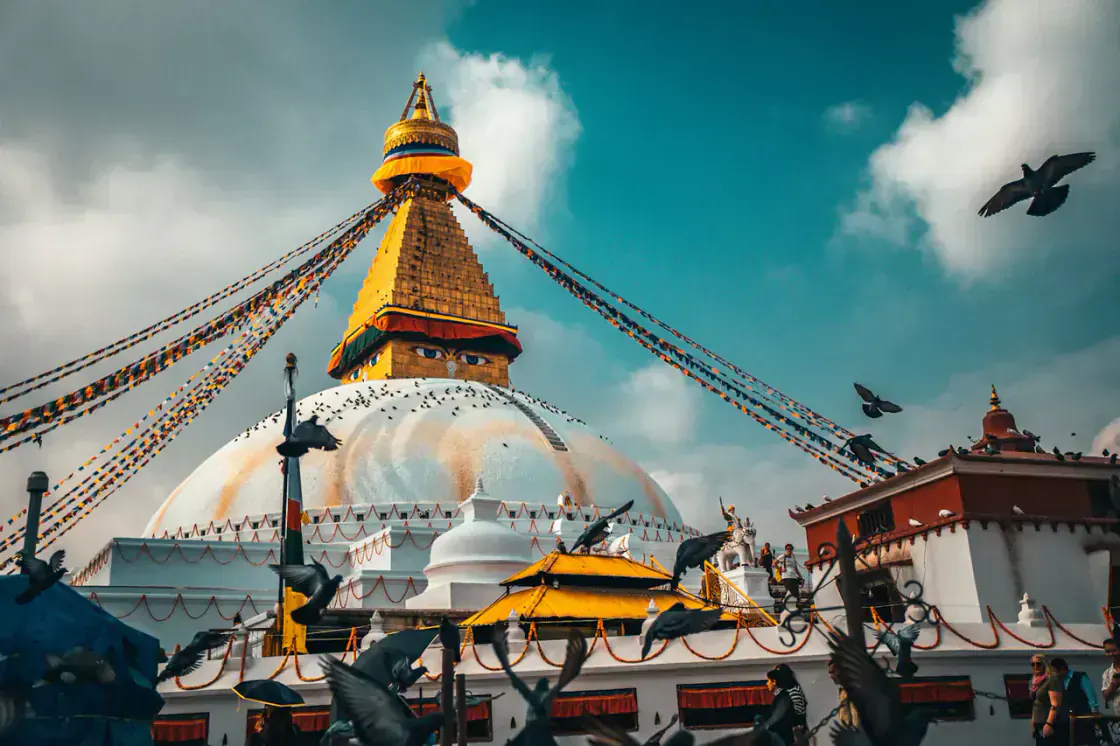
Kathmandu Valley
A sacred Hindu river complex that asks for humility, not hurry.
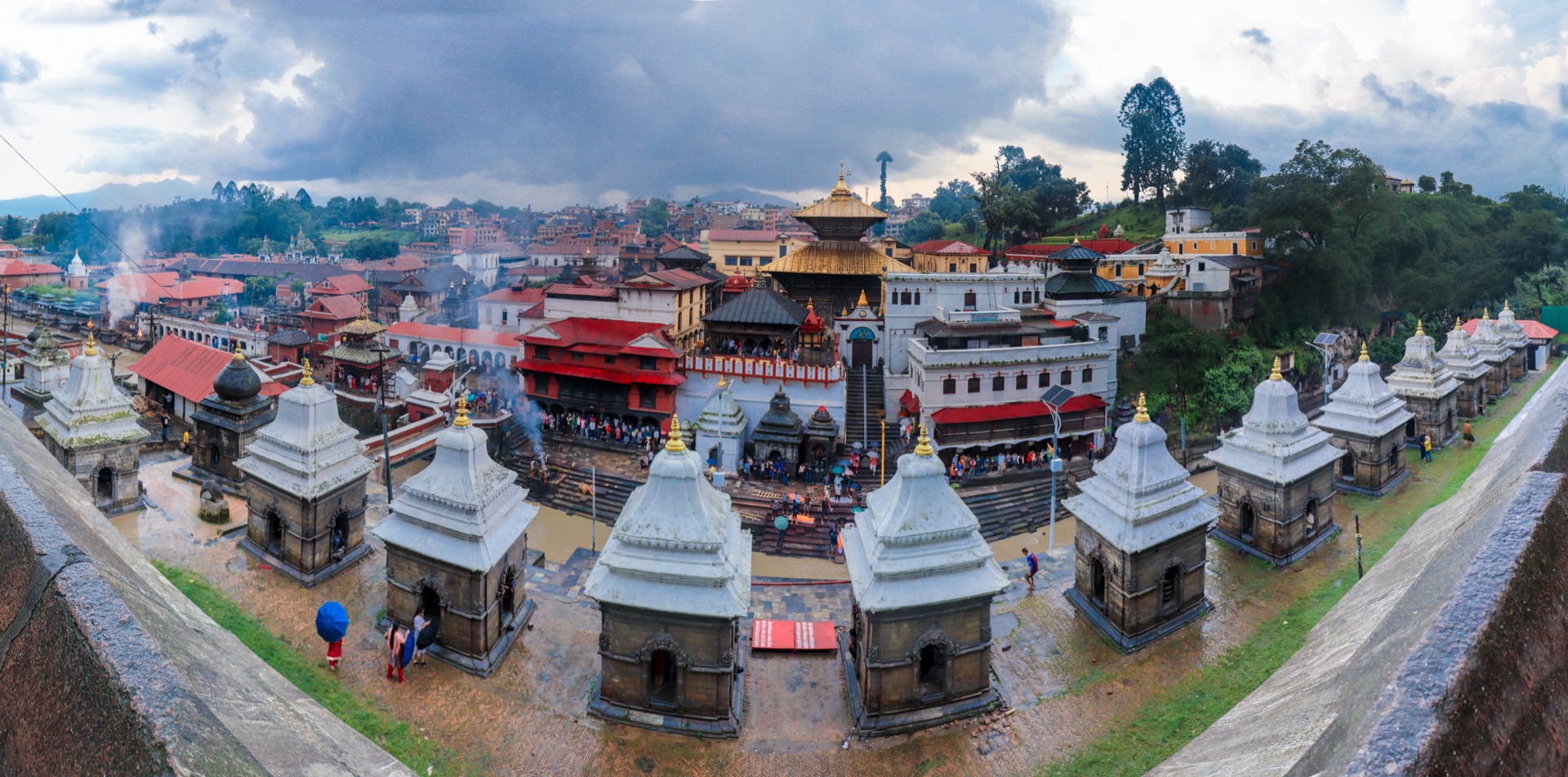
Pashupatinath is one of Kathmandu’s most sensitive and powerful sites. Visit for architecture, ritual movement, sadhus, river ghats, and Hindu devotion, but keep respectful distance around cremation areas and worship.

Oct, Nov, Dec, Feb
easy
0.25 days
Smart route check
Plan Pashupatinath by travel order, not just by popularity.
This is where Discover Nepal Hub is different: the goal is to reduce backtracking, missed nearby places, and confusing Nepal route choices.
Compare this route in the plannerBest route direction
Useful next move
Mistake to avoid
Nearby places to compare
Travel utility checklist
Pashupatinath travel planning essentials
Use these structured notes as a planning checklist, then verify seasonal conditions, transport, permits, and local services close to travel.
Last verified: 2026-07-09
Permit Information
Permit status
No destination-specific permit is listed in the current dataset
This site explains requirements, but official permit services remain the source of truth.
Documents to keep ready
Passport, visa, passport photos, and printed or offline permit copies where required
Transport Options
Route planning
Compare this stop with nearby places in the route planner
Transport certainty
Use main-route transport, then confirm same-week timing locally
Estimated Costs
Budget level
low
Stay length
0.25 days suggested by the destination dataset
Emergency And Health
Safety level
standard
Hospital information
Identify the nearest health post or evacuation option before departure
Emergency contacts
Save Tourist Police and local operator or hotel contacts offline
ATM, Internet And SIM
ATM availability
Verify locally before relying on it
Internet and SIM
SIM and mobile data are generally easiest to arrange in larger towns
Altitude, Weather And Seasons
Altitude
1,400 m
Best months
Oct, Nov, Dec, Feb, Mar, Apr
Weather check
Check current conditions before booking transport or trekking days
Packing Tips
Core packing
Layered clothing, rain protection, water bottle, offline maps, power bank, and copies of documents
Terrain note
Comfortable walking shoes are usually enough for core sightseeing
Nearby Places
Next step
Use related destination links and the route planner to connect this page into a wider itinerary
Travel warnings and verification notes
- Do not treat estimated costs or permit summaries as official services.
- Verify road, flight, trail, and weather conditions close to departure.
Official government and tourism references
Discover Nepal Hub explains the planning context and links out to official sources. It does not replace government or permit services.
Destination decision panel
Decide fast if Pashupatinath belongs in your Nepal itinerary.
Pashupatinath is best understood through Hindu ritual life, Bagmati ghats, temple courtyards, and guided cultural context.
Best for
families, culture seekers, spiritual travelers
Not ideal for
travelers who cannot move quietly around active worship and pilgrimage spaces
Recommended stay
2-4 hours
Budget level
Budget-friendly
Difficulty level
easy
Family suitability
Good with pacing
Solo traveler suitability
Good with normal precautions
First-time Nepal visitor
Strong fit
Who should visit
Match Pashupatinath to the right traveler type.
This prevents the most common planning error: adding a destination because it is famous, even when it does not fit the trip.
Spiritual travelers
Why it fits: Pashupatinath fits travelers who want context, local rhythm, and respectful time around temple and unesco sites.
Why it may not fit: It may not fit travelers who only want quick photos without slower cultural attention.
Families
Why it fits: Pashupatinath can work for families when the day is paced around short transfers, meals, rest, and simple activity blocks.
Why it may not fit: It becomes harder when adults overpack the schedule or ignore heat, traffic, stairs, or tired children.
First-time Nepal visitors
Why it fits: Pashupatinath fits first-time visitors when it clearly improves the route and does not create avoidable backtracking.
Why it may not fit: It may not fit a first Nepal trip if the schedule already has too many regions.
Best Time To Visit
Oct, Nov, Dec, Feb, Mar, Apr are the most comfortable months for Pashupatinath. In hotter or wetter months, start early and keep the schedule lighter.
How To Reach Pashupatinath
From Kathmandu
Use taxi, ride-hailing, private car, or a guided half-day route. Short map distances can take longer in traffic.
From Pokhara
Travel first to Kathmandu by tourist bus, private vehicle, or flight, then use a local valley transfer.
By local transport
Local buses and microbuses can work for confident travelers, but stops and timing are less clear for first-time visitors.
Travel Tips
- moving loudly or photographing worship, cremation, or pilgrimage moments without sensitivity.
- treating Pashupatinath as a quick pin instead of matching it to your route sequence.
- forgetting cash for small tickets, local transport, snacks, tips, toilets, or remote payments.
Transportation Details
Use taxi, ride-hailing, private car, or a guided day route from Kathmandu. Traffic can stretch short distances, so group nearby sites together instead of crossing the valley repeatedly.
Route Planning Advice
Group nearby heritage sites into one clean half-day or full-day route. Start early, walk slowly, and avoid packing too many temple squares into one afternoon.
Travel rhythm
Let the day breathe like Pashupatinath.
These pages are built for practical decisions: what to prioritize first, where the atmosphere lives, and where to slow down before moving on.
Temple precinct
Bagmati river edge
guided explanation
quiet exit
Why it matters
Why visit
This is an active worship and cremation landscape, so the emotional tone is different from palace squares.
Why it matters
What it feels like
A local cultural guide can prevent awkward mistakes and explain what visitors are actually seeing.
Why it matters
How it connects
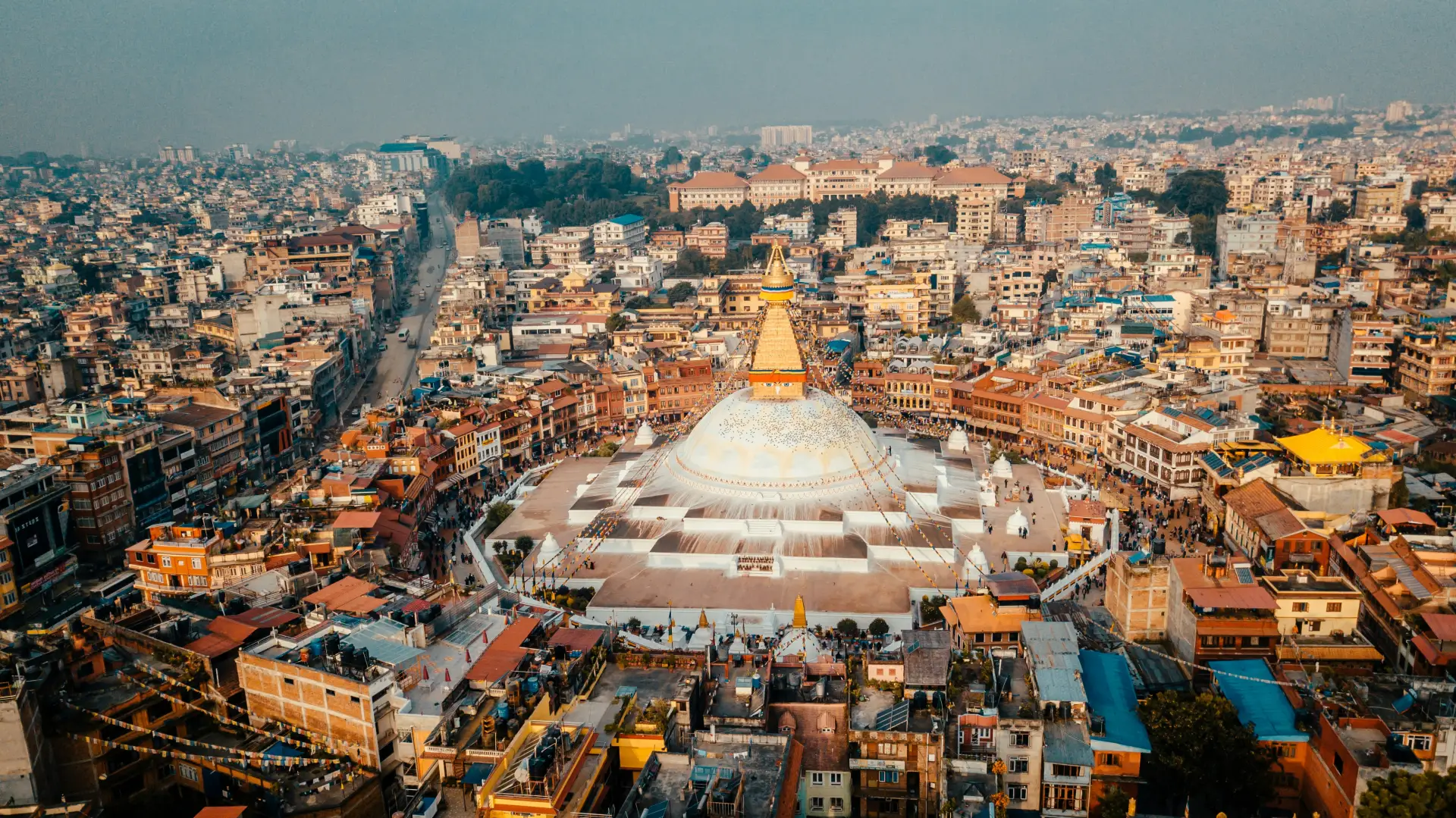
Boudhanath is nearby enough to make a meaningful half-day route.
Practical guide
Costs, stays, food, signal, and safety.
This is the part most travelers need before booking: what the destination asks from your time, money, comfort, and caution.
Budget Breakdown
Pashupatinath can stay affordable if you use local transport and simple meals, but entry fees, taxis, guides, or activity costs can still add up. Carry small cash.
Accommodation Guide
Guesthouses, hotels, homestays, or boutique stays are usually available near the main base area. Location matters: staying closer to the core site saves time and transport friction.
Food & Local Experience
Keep meals simple around sacred sites and respect quiet pilgrimage spaces. Local tea, vegetarian meals, and slower breaks often fit the mood better than rushed dining.
Internet / ATM / SIM / Electricity
Mobile data and basic services are usually available, but outages happen. Carry cash, keep your SIM active, save offline maps, and confirm ATM access before late arrivals.
Difficulty & Safety
General tourist safety is manageable with normal care: avoid isolated areas late, protect valuables, use trusted transport, and keep emergency contacts saved.
Permits & Local Checks
Check current entrance fees, photography rules, opening hours, and local etiquette before arrival. Rules can change around festivals, restoration work, or security needs.
Costs, stays, and local life
Build a realistic Pashupatinath budget.
Costs change by season and comfort level, so use these ranges as planning categories rather than fixed package prices.
Budget traveler
Accommodation: simple guesthouses or basic local hotels
Food: dal bhat, noodles, tea, and local meals
Transport: local buses, shared jeeps, walking, or carefully chosen taxis
Activities: prioritize one or two essentials: entry fees, taxis, local guides, viewpoints, or short activities
Mid-range traveler
Accommodation: well-located hotels, homestays, or comfortable lodges
Food: local restaurants, hotel meals, and a few cafe breaks
Transport: tourist bus, private taxi sections, or lodge-arranged transfers
Activities: budget for guided context and the main paid experiences: entry fees, taxis, local guides, viewpoints, or short activities
Higher-comfort traveler
Accommodation: boutique stays, view rooms, or premium lodges
Food: more hotel-based meals and flexible snack stops
Transport: private vehicle, flights where useful, or full operator support
Activities: pay for stronger logistics, safer timing, and fewer rushed decisions
Things to do
Best things to do in Pashupatinath.
Each activity includes timing, cost expectations, best conditions, and the practical detail travelers usually need before committing.
Walk the Bagmati ghats respectfully
The river edge is the heart of the visit, with cremation areas, shrines, sadhus, and active Hindu ritual life.
Time needed: 1-2 hours
Cost: Entrance plus guide if used
Best time: Morning or late afternoon
Tip: Keep distance from cremation rituals and never photograph mourners closely.
Use a cultural guide
A good guide explains what visitors can see, where non-Hindus may go, and why the site feels emotionally different from palace squares.
Time needed: 1-2 hours
Cost: Guide fee varies
Best time: Any daytime visit
Tip: Agree on guide price and route before starting.
Pair with Boudhanath
Pashupatinath and Boudhanath sit close enough to form a strong spiritual half-day without crossing the whole valley.
Time needed: 3-5 hours total
Cost: Taxi plus entry/food costs
Best time: Morning to lunch or late afternoon to evening
Tip: Keep Pashupatinath first if you want the calmer Boudha finish.
Where to stay
Choose the area before choosing the room.
Thamel or central Kathmandu
first-time visitors and easy logistics
Best when you need restaurants, gear shops, taxis, and quick access to multiple valley routes.
Pashupatinath nearby base
slower cultural visits
Useful when early morning or evening atmosphere matters more than nightlife.
Boudha or Patan side
quieter stays
Better for travelers who prefer calmer evenings and shorter access to east or south valley sites.
Local food and experiences
What gives Pashupatinath its local texture.
Pilgrimage rhythm
Move with the site instead of against it: clockwise walks, quiet observation, and patience around worship.
Simple local meals
Tea, vegetarian food, and slow breaks fit sacred-site visits better than a packed sightseeing schedule.
Festival awareness
Major festivals can make the visit powerful but more crowded, slower, and harder for transport.
Route ideas
Fit Pashupatinath into a route that makes sense.
The best Nepal trips usually depend on sequence: where you sleep, when roads are easiest, and which experiences belong together.
Spiritual Half Day
Pashupatinath first, then Boudhanath for a calmer circular walk and rooftop meal.
Airport-Side Stop
Useful before or after flights only if luggage and timing are secure.
Common mistakes
Avoid the planning errors that make Pashupatinath harder than it needs to be.
moving loudly or photographing worship, cremation, or pilgrimage moments without sensitivity.
treating Pashupatinath as a quick pin instead of matching it to your route sequence.
forgetting cash for small tickets, local transport, snacks, tips, toilets, or remote payments.
arriving too late in the day and losing the best light, transport window, or activity timing.
trusting map distance without checking real road time, traffic, trail condition, or weather.
Destination connections
Where travelers usually go next.
These connections keep DiscoverNepalHub focused on travel flow: fewer dead-end detours, better pacing, and more logical regional movement.
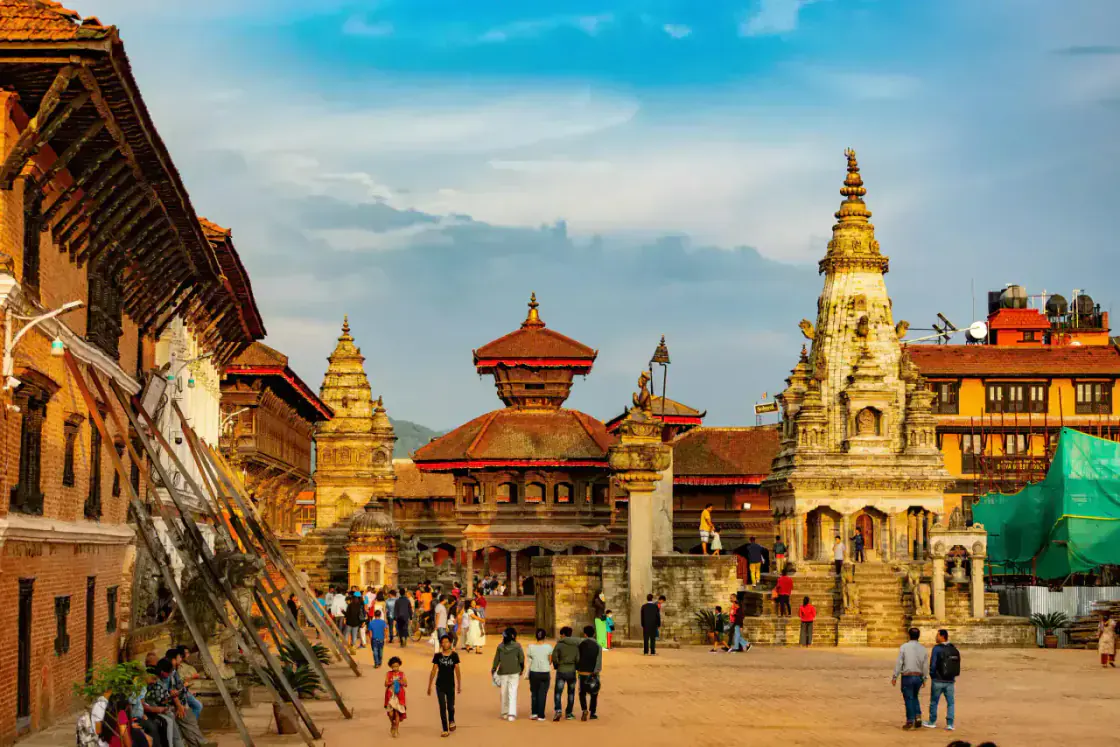
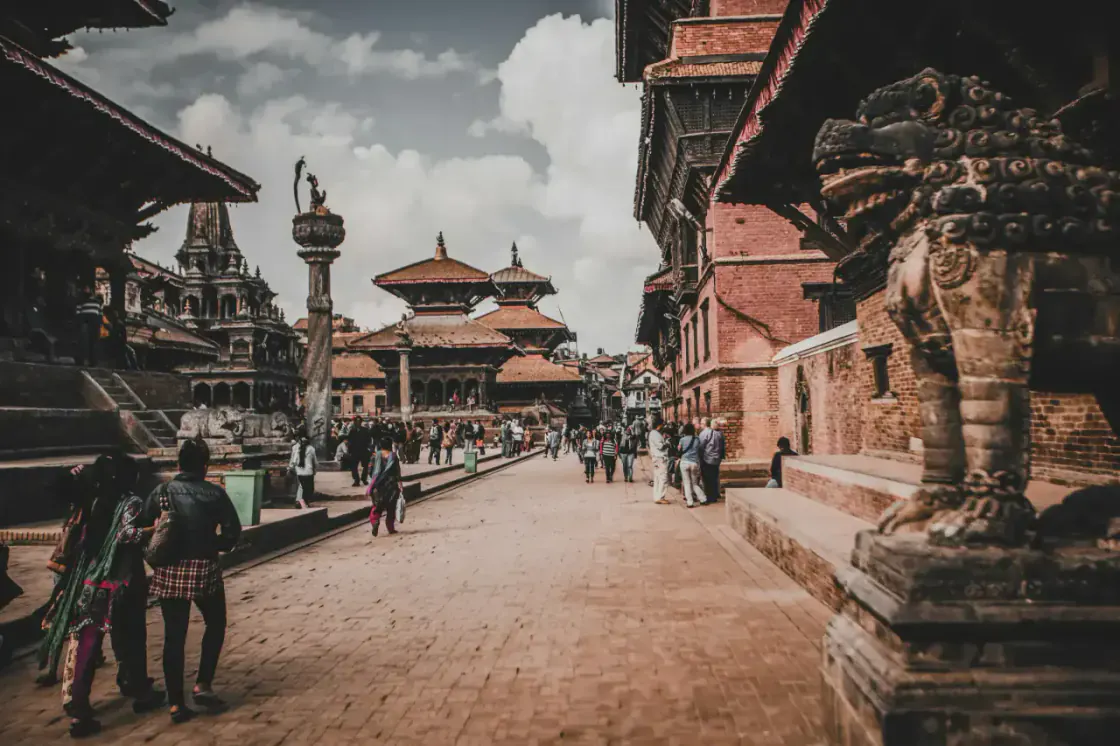
Kathmandu -> Bhaktapur -> Patan
the valley works best when heritage sites are grouped by traffic and walking energy.
Pashupatinath -> Boudhanath
Boudhanath is close enough to help build a cleaner regional route instead of adding a disconnected detour.
Pashupatinath -> Kathmandu
Kathmandu is close enough to help build a cleaner regional route instead of adding a disconnected detour.
Pashupatinath -> Patan
Patan is close enough to help build a cleaner regional route instead of adding a disconnected detour.
Suggested itineraries
Simple ways to place Pashupatinath in your Nepal route.
Keep the first version realistic. Add side trips only after you know transport time, weather, and your own energy.
Half-day plan
Pashupatinath first, then Boudhanath for a calmer circular walk and rooftop meal.
2-day plan
Useful before or after flights only if luggage and timing are secure.
Connected route
Combine Pashupatinath with Boudhanath and Kathmandu and Patan only when the sequence reduces backtracking and leaves daylight for transfers.
Slow-travel version
Add one extra night if you want quieter mornings, local food, flexible weather, and enough time to recover before moving on.
Trip planning insights
The decisions to make before booking Pashupatinath.
These answers cover the planning questions travelers usually ask after deciding the destination looks interesting.
How many days should I stay?
2-4 hours is the practical first-plan answer. Add time if Pashupatinath is part of a longer route, weather-dependent activity, trekking stage, or remote transfer.
When should I skip this destination?
Skip it if you cannot move quietly around active worship, pilgrimage, or ritual spaces.
What season is best?
Oct, Nov, Dec, Feb, Mar, Apr are the easiest months for a comfortable visit. Outside these months, plan around heat, rain, haze, or reduced visibility.
Can it be visited year-round?
Usually yes, but the quality of the visit changes by season. In hotter or wetter months, start early and keep the route lighter.
What type of trip benefits most?
Pashupatinath works best in a trip built around families, culture seekers, spiritual travelers rather than a route that adds stops only because they look close on a map.
Before you go
Practical notes for a cleaner first visit.
- Non-Hindus may not enter the main inner temple; plan for the surrounding complex instead.
- Do not photograph cremation rituals closely or intrusively.
- Use a guide if you want cultural context beyond surface-level sightseeing.
Nearby destinations
Build a smarter route around Pashupatinath.
Route planner
Check how Pashupatinath connects with the rest of Nepal.
Compare nearby destinations, rough travel direction, and trip flow before building a fixed itinerary.
FAQ
Common questions about Pashupatinath
Is Pashupatinath worth visiting?
Pashupatinath is worth visiting if you want Hindu ritual life, Bagmati ghats, temple courtyards, and guided cultural context. It is strongest when the stop improves your route rather than adding a random detour.
How many days should I stay in Pashupatinath?
Plan 2-4 hours. Add buffer time if you are combining it with long road travel, trekking, wildlife activities, or weather-sensitive viewpoints.
What is the best time to visit Pashupatinath?
Oct, Nov, Dec, Feb, Mar, Apr are usually the best planning months for Pashupatinath. Outside those months, check heat, rain, haze, road conditions, or mountain visibility before locking the route.
What are the top things to do in Pashupatinath?
Start with walk the bagmati ghats respectfully. Other good choices include use a cultural guide, pair with boudhanath.
How much does Pashupatinath cost?
Budget travelers should keep costs simple with local transport and basic meals. Mid-range travelers usually spend more on better location, private transfers, and guided activities. Higher-comfort travelers should budget for stronger logistics, better stays, and buffer days.
How do I reach Pashupatinath?
Use taxi, ride-hailing, private car, or a guided half-day route. Short map distances can take longer in traffic.
Where should I stay for Pashupatinath?
Thamel or central Kathmandu usually works best for first-time visitors and easy logistics. Best when you need restaurants, gear shops, taxis, and quick access to multiple valley routes.
Is Pashupatinath safe for solo travelers?
Pashupatinath is manageable for solo travelers with normal care: use trusted transport, keep offline maps, avoid isolated late-night movement, and confirm local conditions.
Is Pashupatinath family friendly?
Pashupatinath can be family friendly with flexible timing, short activity blocks, and breaks for heat, traffic, stairs, or walking fatigue.
What mistake should I avoid in Pashupatinath?
The most common mistake is moving loudly or photographing worship, cremation, or pilgrimage moments without sensitivity.
Can I visit Pashupatinath without a guide?
Many travelers can visit Pashupatinath independently, but guides are useful when you want cultural context, wildlife safety, trekking support, or transport coordination.
Where should I go after Pashupatinath?
Kathmandu -> Bhaktapur -> Patan works well because the valley works best when heritage sites are grouped by traffic and walking energy.