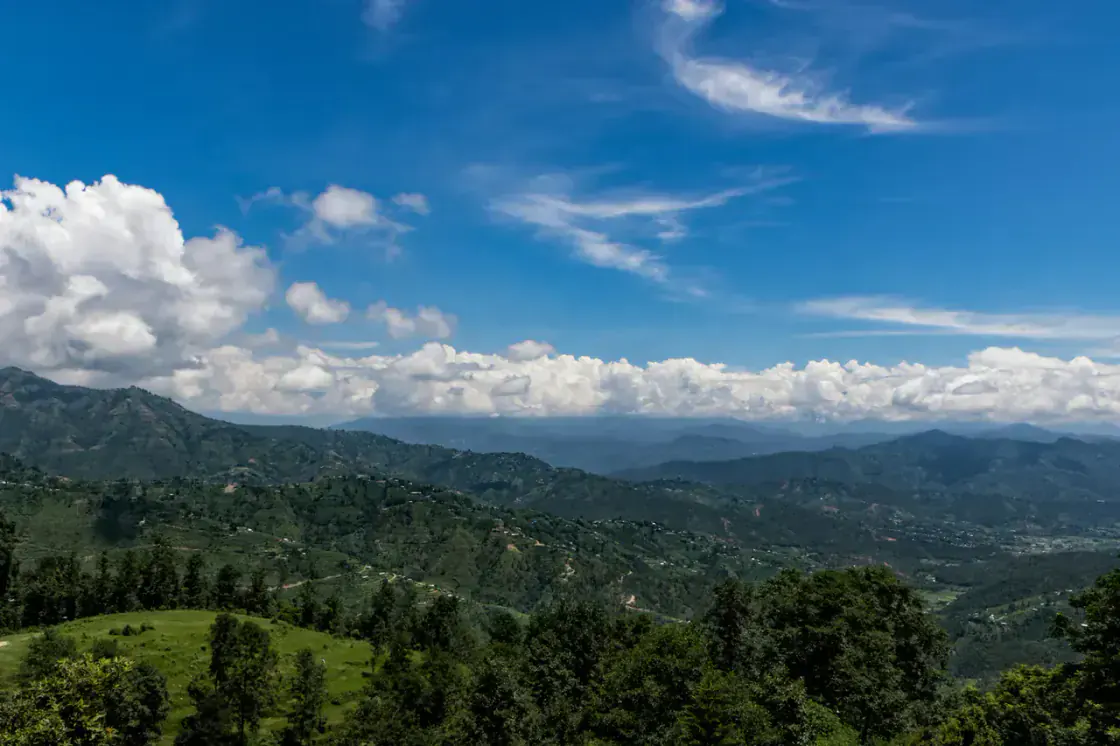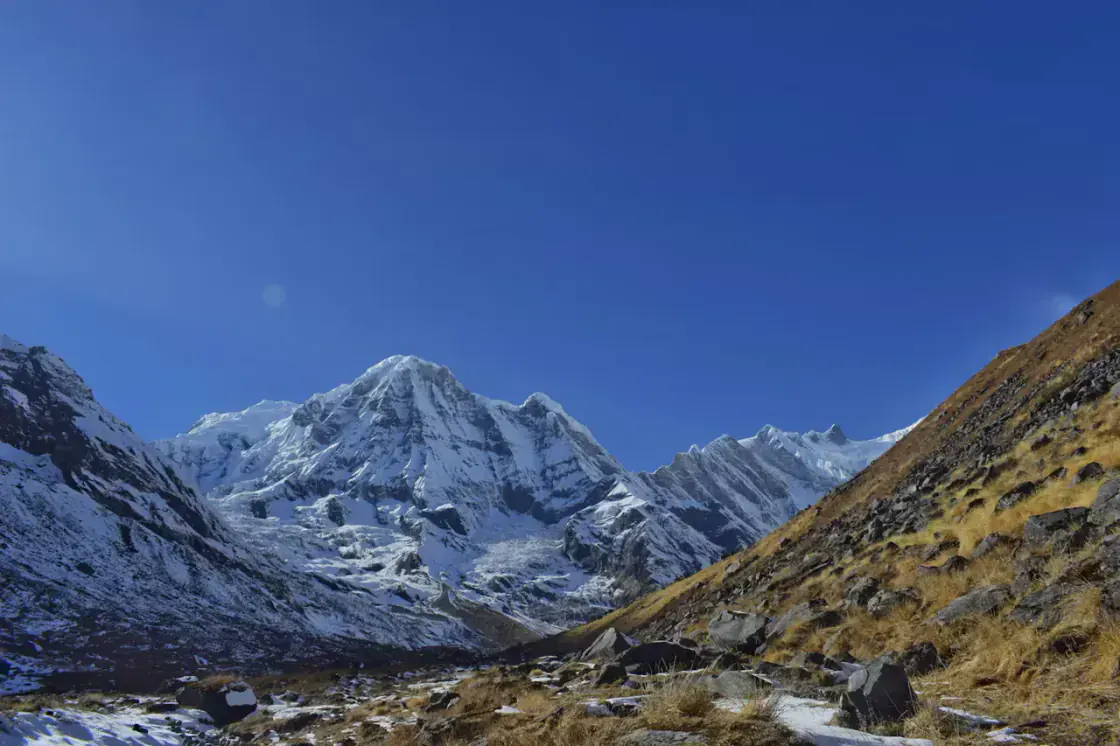
Annapurna Base Camp trek through the Annapurna Sanctuary in Nepal

ABC trek Nepal

Journey Into the Annapurna Sanctuary

Annapurna Base Camp is one of Nepal's most iconic trekking destinations: a tea-house journey from Pokhara through forests, villages, rivers, and glacier-shaped valleys into a Himalayan amphitheater.

Maximum altitude

4,130 m at ABC

Trek difficulty

Moderate to hard

Best season

Oct-Nov, Mar-May

Typical duration

7-11 days from Pokhara

Permit reality

ACAP and current rules

What makes ABC special

A base camp trek that feels intimate, wild, and surprisingly reachable.

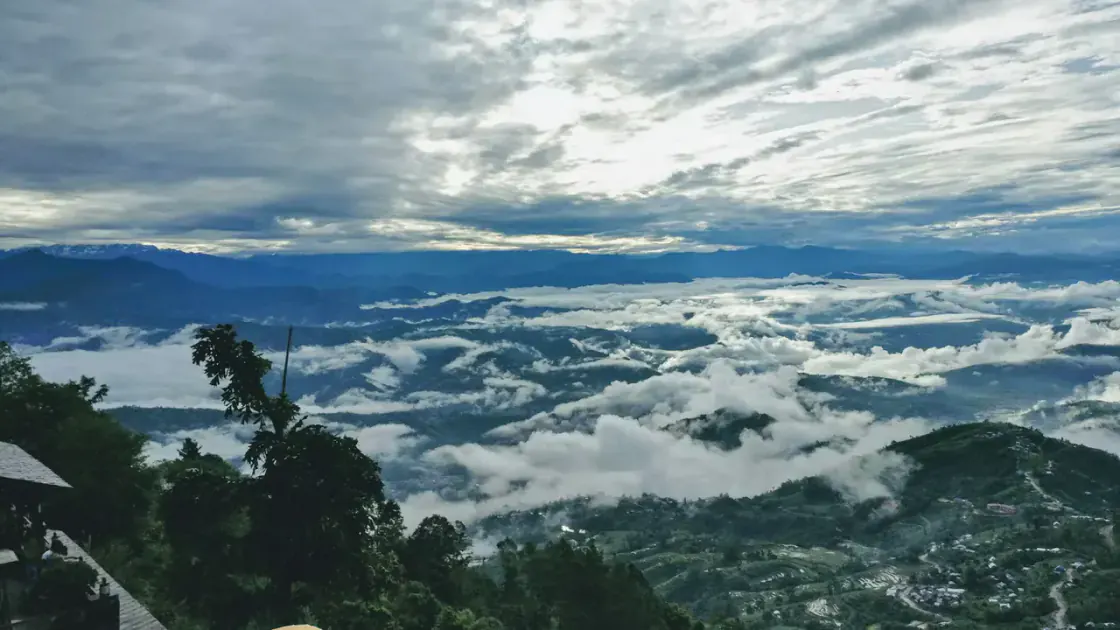
Annapurna Base Camp sits inside the Annapurna Sanctuary, a natural Himalayan basin surrounded by giant peaks. The trail is accessible from Pokhara, but the emotional scale grows with every forest, river, lodge, and cold mountain morning.

A Natural Sanctuary

ABC sits inside a high Himalayan basin where cliffs, glaciers, ridges, and giant peaks surround the trail from several directions.

Accessible Base Camp Energy

It feels wild and high, yet the tea-house network makes it one of the world's most approachable Himalayan base camp experiences.

Landscape Changes Fast

The route can move from villages and warm forest paths into bamboo, river gorges, alpine walls, snow, and glacier mood in one journey.

Pokhara Anchors The Trek

Most trekkers prepare, rest, buy gear, arrange permits, and recover in Pokhara before and after the Annapurna Sanctuary route.

Changing landscapes

One trek, many climate zones, and a steady pull toward snow.

The ABC trek is powerful because the environment keeps changing. Trekkers move through warm hill villages, green forests, river gorges, bamboo shade, alpine slopes, and finally glacial mountain space.

1

Terraced Villages

Stone paths, farms, Gurung settlement rhythm, and warm hill-country movement.

2

Subtropical Forests

Green shade, humid air, steps, rivers, and the first sense of leaving road travel behind.

3

Bamboo And Rhododendron

Dense trail corridors, spring color, waterfalls, moss, and deeper mountain quiet.

4

River Gorges

Suspension bridges, cold water sound, steep valley walls, and changing weather pockets.

5

Alpine Approach

Thinner air, open slopes, colder mornings, avalanche-aware terrain, and visible snow lines.

6

Sanctuary Basin

Glacial ground, huge walls, sunrise on Annapurna, and mountains closing around the horizon.

Trek route flow

The journey deepens stage by stage.

Most ABC plans begin in Pokhara, then move by road to a trailhead before walking through Chhomrong, Bamboo, Deurali, Machhapuchhre Base Camp, and Annapurna Base Camp.

1

Pokhara

822 m

Lake city preparation

What changes: Permits, gear checks, guide or porter decisions, and calm route planning before leaving the valley.

Tea-house feeling: Hotels, cafes, rental shops, and pre-trek meals make Pokhara the natural staging base.

2

Nayapul / Jhinu Danda

1,070-1,780 m

Roadhead and warm lower hills

What changes: The trip shifts from city movement to foot trails, village steps, rivers, and first lodge stops.

Tea-house feeling: Simple lodges and local meals begin the tea-house rhythm.

3

Chhomrong

Around 2,170 m

Gateway village above deep valleys

What changes: Views open toward Annapurna South and Machhapuchhre while the trail begins to feel more committed.

Tea-house feeling: A major lodge village where trekkers rest, eat, and reset before deeper forest stages.

4

Bamboo

Around 2,310 m

Dense forest corridor

What changes: The trail becomes cooler, narrower, greener, and more enclosed by bamboo, river sound, and shade.

Tea-house feeling: Small tea houses create a compact communal feeling after forest walking.

5

Deurali

Around 3,230 m

High valley approach

What changes: Air thins, mornings get colder, the terrain opens, and weather awareness becomes more important.

Tea-house feeling: Rooms become simpler and more weather-dependent as trekkers prepare for the final push.

6

Machhapuchhre Base Camp

Around 3,700 m

Sanctuary threshold

What changes: The route enters a dramatic amphitheater feeling with close mountain walls and glacial atmosphere.

Tea-house feeling: A high stop where many trekkers pause carefully before continuing to ABC.

7

Annapurna Base Camp

4,130 m

Himalayan amphitheater

What changes: Annapurna I, Annapurna South, Hiunchuli, and Machhapuchhre surround the arrival with sunrise drama.

Tea-house feeling: Basic high-altitude lodges complete the journey with cold mornings, shared dining rooms, and quiet awe.

Annapurna Sanctuary

A Himalayan amphitheater where the mountains close around you.

The emotional heart of the ABC trek is the sanctuary itself: a glacial basin of silence, sunrise, cold air, and massive Himalayan walls. At base camp, the horizon feels less like a view and more like a circle of mountains.

Annapurna I

The immense western wall that gives the sanctuary its base camp identity.

Machhapuchhre

The sacred fishtail peak that dominates views through much of the approach.

Hiunchuli

A sharp presence above the sanctuary, often seen near Annapurna South.

Annapurna South

A powerful face that appears early and grows more dramatic with altitude.

Himalayan peaks surrounding Annapurna Sanctuary

Sanctuary arrival

Snow peaks, glacial silence, sunrise, and a base camp that feels earned.

Tea-house culture

The ABC trek is also a warm human journey.

Annapurna Base Camp is one of the world's most accessible tea-house trekking systems. The trail is remembered not only for peaks, but for lodge evenings, local meals, mountain hospitality, and shared fatigue.

1

Warm dining rooms where trekkers trade route notes over dal bhat, tea, soup, noodles, and simple mountain meals.

2

Village lodges and high trail stops that make ABC feel human instead of expedition-only.

3

Rest points shaped by weather, socks drying near stoves, early breakfasts, and quiet evenings after long walking days.

4

Local hospitality, porter movement, guide advice, and shared trail culture connecting Nepali and international trekkers.

Difficulty and altitude

Accessible does not mean casual.

ABC is beginner-friendly compared with more remote Himalayan expeditions, but it still asks for training, patience, altitude respect, and weather awareness.

Difficulty Level

Moderate to hard: manageable for fit beginners, demanding if rushed, undertrained, or poorly packed.

Altitude Awareness

ABC reaches 4,130 meters. Headache, fatigue, appetite loss, or poor sleep should be taken seriously.

Physical Preparation

Train with stairs, long walks, loaded daypacks, and back-to-back walking days before the trek.

Weather Changes

Rain, snow, cold mornings, fog, and cloud can appear quickly, especially above Deurali.

Recommended Pace

Do not compress the route only because roadheads are closer now. Let your body adjust.

Beginner Expectation

Beginners should use conservative stages, reliable footwear, layered clothing, and guide support if unsure.

Annapurna Conservation Area

The sanctuary is part of a protected Himalayan ecosystem.

The Annapurna Conservation Area is Nepal's largest protected area, linking biodiversity, mountain villages, forests, rivers, wildlife habitat, and high Himalayan environments.

Protected Mountain Ecosystem

The Annapurna Conservation Area protects forests, rivers, villages, high valleys, wildlife habitat, and fragile Himalayan environments.

Biodiversity Along The Trail

Trekkers move through forest belts, rhododendron zones, river corridors, alpine slopes, and glacial landscapes.

Responsible Trekking Matters

Permits, waste discipline, respectful lodge use, and staying on trail help protect the sanctuary experience.

Experience the trek

The memory of ABC is built through small trail moments.

The trek becomes emotional through movement: bridges, forests, cloud, lodge lights, cold dawns, and the quiet moment when the sanctuary finally opens.

1

Cross a suspension bridge while cold river sound rises from below.

2

Climb stone steps through villages before the forest closes around the trail.

3

Wake early for pale mountain light above lodge rooftops.

4

Walk through cloud, bamboo, waterfalls, and rhododendron shade.

5

Feel the air turn sharper near Deurali and Machhapuchhre Base Camp.

6

Enter the sanctuary slowly, with peaks rising in every direction.

7

Stand at ABC before sunrise while Annapurna catches the first light.

Practical trekking information

Plan ABC with permits, weather, lodging, and trailhead logistics in mind.

A strong Annapurna Base Camp itinerary is not only about the number of days. It is about season, trailhead access, walking stages, lodge expectations, and safety margins.

Permits Required

Check current Annapurna Conservation Area and trekking registration rules before departure from Pokhara.

Best Trekking Seasons

October-November and March-May are the main windows for visibility, trail conditions, and lodge movement.

Guide And Porter

Independent travelers should still consider local support for safety, pacing, logistics, and route decisions.

Accommodation

Expect tea houses and mountain lodges, with simpler rooms and shared dining at higher stops.

Internet And Charging

Availability becomes uneven and may cost extra. Save maps, documents, permits, and bookings offline.

Access From Pokhara

Road transfers usually connect Pokhara with trailheads such as Nayapul, Jhinu Danda, or nearby route bases.

Packing Basics

Bring layers, rain shell, warm hat, gloves, headlamp, water treatment, first-aid basics, and broken-in shoes.

Duration

Plan roughly 7 to 11 days depending on route style, fitness, weather, and side stops.

FAQ

Common questions about the Annapurna Base Camp trek.

Short, practical answers for ABC altitude, trekking duration, permits, seasons, and beginner planning.

How difficult is the Annapurna Base Camp trek?

The Annapurna Base Camp trek is usually considered moderate to hard. It is accessible for fit first-time trekkers, but daily walking, stone steps, weather changes, and altitude near 4,130 meters still need realistic pacing.

How many days are needed for the ABC trek?

Most Annapurna Base Camp itineraries take about 7 to 11 days from Pokhara depending on trailhead, pace, side stops, and whether travelers include Ghandruk, Jhinu Danda, Poon Hill, or extra rest time.

What permits are required for Annapurna Base Camp?

Trekkers should check the current Annapurna Conservation Area permit and trekking registration requirements before departure. Rules can change, so confirm with official sources or licensed local operators in Pokhara.

When is the best season for Annapurna Base Camp?

October to November and March to May are the main planning windows for the Annapurna Base Camp trek. Autumn often brings clearer skies, while spring can bring rhododendron color and warmer lower trails.

Is Annapurna Base Camp good for beginner trekkers?

Yes, ABC can be a strong first Himalayan base camp trek for prepared beginners because it uses tea houses and is reachable from Pokhara. Beginners should still train, walk slowly, pack carefully, and avoid rushing altitude gain.

Travel utility checklist

Annapurna Base Camp travel planning essentials

Use these structured notes as a planning checklist, then verify seasonal conditions, transport, permits, and local services close to travel.

Last verified: 2026-07-09

Permit Information

Permit status

Check protected-area or restricted-area rules before travel

This site explains requirements, but official permit services remain the source of truth.

Documents to keep ready

Passport, visa, passport photos, and printed or offline permit copies where required

Transport Options

Route planning

Compare this stop with nearby places in the route planner

Transport certainty

Confirm road, flight, or trail access locally

Estimated Costs

Budget level

medium

Stay length

8 days suggested by the destination dataset

Emergency And Health

Safety level

guide-recommended

Hospital information

Use local city hospitals or clinics; confirm nearest facility before remote side trips

Emergency contacts

Save Tourist Police and local operator or hotel contacts offline

ATM, Internet And SIM

ATM availability

Available in main towns or hubs

Carry enough cash before leaving a gateway town.

Internet and SIM

Mobile signal can vary by route and weather

Altitude, Weather And Seasons

Altitude

4,130 m

Best months

Oct, Nov, Mar, Apr, May

Weather check

Check current conditions before booking transport or trekking days

Packing Tips

Core packing

Layered clothing, rain protection, water bottle, offline maps, power bank, and copies of documents

Terrain note

Pack for longer walking days, weather shifts, and colder mornings

Nearby Places

Next step

Use related destination links and the route planner to connect this page into a wider itinerary

Travel warnings and verification notes

  • Do not treat estimated costs or permit summaries as official services.
  • Verify road, flight, trail, and weather conditions close to departure.

Smart route check

Plan Annapurna Base Camp by travel order, not just by popularity.

This is where Discover Nepal Hub is different: the goal is to reduce backtracking, missed nearby places, and confusing Nepal route choices.

Compare this route in the planner

Best route direction

Kathmandu or Pokhara -> gateway town -> mountain route: mountain destinations need staging, permits, weather checks, and exit buffers.

Useful next move

Annapurna Base Camp -> Annapurna Region: Annapurna Region is close enough to help build a cleaner regional route instead of adding a disconnected detour.

Mistake to avoid

Building a tight schedule without buffer days for roads, flights, landslides, or local delays.

Destination decision panel

Decide if Annapurna Base Camp belongs in your Nepal itinerary.

Annapurna Base Camp is best understood through trekking, mountains, base camp, annapurna sanctuary experiences in Mountain Regions.

Best for

adventure travelers, trekkers, photographers, culture seekers

Not ideal for

travelers avoiding long walks, altitude, simple lodges, or permit planning

Recommended stay

8 days or more

Budget level

Moderate

Difficulty level

hard

Family suitability

Better for active families

Solo traveler suitability

Possible with guide support

First-time Nepal visitor

Better after easier Nepal stops

Who should visit

Match Annapurna Base Camp to the right traveler type.

Trekkers

Why it fits: Annapurna Base Camp fits trekkers because the route depends on trail pacing, lodges, altitude decisions, and clear exit planning.

Why it may not fit: It may not fit travelers who want paved-road sightseeing, fixed comfort, or no buffer days.

Photographers

Why it fits: Annapurna Base Camp rewards photographers who plan around morning light, weather, and the specific trekking / mountains setting.

Why it may not fit: It may disappoint if the visit is squeezed into harsh midday light or poor visibility.

Culture seekers

Why it fits: Annapurna Base Camp fits travelers who want context, local rhythm, and respectful time around trekking and mountains sites.

Why it may not fit: It may not fit travelers who only want quick photos without slower cultural attention.

Premium or remote-route travelers

Why it fits: Annapurna Base Camp fits travelers willing to pay for smoother logistics, better timing, and stronger local support.

Why it may not fit: It may not fit strict budget travelers unless they accept slower transport and simpler stays.

Things to do

Practical activities for Annapurna Base Camp.

Pokhara prep

Start with this because it reveals trekking, mountains, base camp, annapurna sanctuary experiences in Mountain Regions.

Time: Half day

Cost: Moderate

Best time: Clear-season morning

Tip: Confirm current permits, conservation-area rules, and checkpoint requirements before departure.

trailhead transfer

Use this to add depth beyond the main arrival point in Annapurna Base Camp.

Time: Half day

Cost: Moderate

Best time: Clear-season morning

Tip: Build buffer days for weather, road delays, flight delays, landslides, or altitude pacing.

forest and village stages

Use this to add depth beyond the main arrival point in Annapurna Base Camp.

Time: Half day

Cost: Moderate

Best time: Clear-season morning

Tip: Use registered guides or reputable operators for high-altitude, remote, or restricted routes.

How to reach

From Kathmandu

Use the main trekking or road gateway for the region, then continue by flight, jeep, bus, or walking route as conditions allow.

From Pokhara

Pokhara is useful for Annapurna and Mustang routes, while Everest and Langtang usually work better from Kathmandu.

By flight

Flights can save time on some routes but need weather buffer days and flexible onward plans.

Where to stay

Gateway town

Stay here before committing to the trail or remote road section.

Route lodges

Expect simple rooms, variable showers, charging limits, and cash payments.

Common mistakes

  • building a tight schedule without buffer days for roads, flights, landslides, or local delays.
  • underestimating altitude, lodge spacing, permits, weather changes, and descent fatigue.
  • treating Annapurna Base Camp as a quick pin instead of matching it to your route sequence.
  • forgetting cash for small tickets, local transport, snacks, tips, toilets, or remote payments.

Local food and experiences

Tea-house meals

Dal bhat, soup, noodles, eggs, tea, and lodge dining shape daily mountain rhythm.

Village conversations

Use local lodges and guides where possible; the route is cultural as well as scenic.

Morning mountain light

Clear mornings usually matter more than late-afternoon plans in Himalayan regions.

Destination connections

Kathmandu or Pokhara -> gateway town -> mountain route

mountain destinations need staging, permits, weather checks, and exit buffers.

Annapurna Base Camp -> Annapurna Region

Annapurna Region is close enough to help build a cleaner regional route instead of adding a disconnected detour.

Annapurna Base Camp -> Annapurna Conservation Area

Annapurna Conservation Area is close enough to help build a cleaner regional route instead of adding a disconnected detour.

Trip planning insights

The decisions to make before booking Annapurna Base Camp.

How many days should I stay?

8 days or more is the practical first-plan answer. Add time if Annapurna Base Camp is part of a longer route, weather-dependent activity, trekking stage, or remote transfer.

When should I skip this destination?

Skip it on a tight schedule, with weak fitness, or without buffer days for weather, altitude, and transport.

What season is best?

Oct, Nov, Mar, Apr, May are the strongest months because mountain routes need clearer weather, safer trails, and better visibility. Monsoon and deep winter can make logistics harder.

Can it be visited year-round?

Not comfortably for every traveler. Access, weather, altitude, landslides, snow, or flight reliability can make some months much harder.

What type of trip benefits most?

Annapurna Base Camp works best in a trip built around adventure travelers, trekkers, photographers, culture seekers rather than a route that adds stops only because they look close on a map.

Cookie choices

Essential storage keeps this choice. Analytics cookies only load if you accept them. Read the privacy policy.