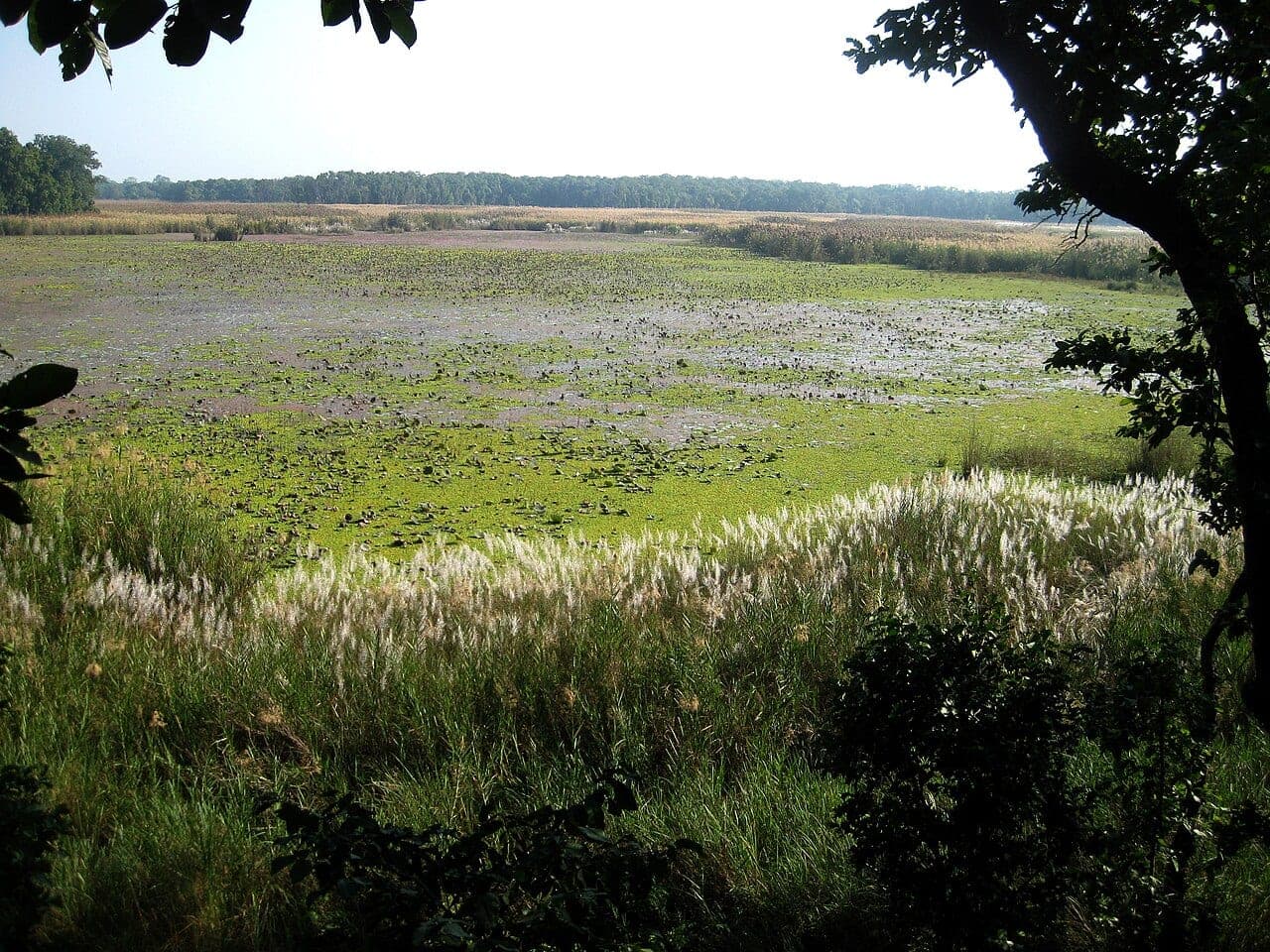
Shuklaphanta National Park destination cluster
Shuklaphanta National Park Travel Guide
Plan Shuklaphanta National Park with wildlife highlights, swamp deer, birdwatching, safari timing, access from Kathmandu, lodges, seasons, and route connections.
Location
Kanchanpur, far-western Terai
Best time
October to March
Visit duration
2-3 nights
Difficulty
Easy to moderate
Best for
swamp deer herds, quiet jeep safari, far-west wildlife
Nearby
Kathmandu, Dhangadhi, Shuklaphanta, Bardia
Suggested route
National park route
Why visit
Why Shuklaphanta National Park Travel Guide belongs in a connected Nepal route.
Shuklaphanta is one of Nepal's best places for open grassland wildlife rather than dense jungle-only safari.
Travelers come for large swamp deer herds, quieter park roads, and a far-west Nepal experience with fewer crowds than Chitwan.
It works best for visitors who can accept longer travel in exchange for stronger wilderness atmosphere.
Step-by-step visit guide
Start simple, then connect the next nearby stop.
Start by using Mahendranagar / Majhgaun side as the practical access point, then confirm current permits, guides, and transport locally.
Plan around 2 full safari days if traveling from kathmandu rather than treating Shuklaphanta National Park as a quick photo stop.
Prioritize jeep safari, birdwatching, grassland photography during the best dawn, dusk, or clear-weather windows.
Choose stays and operators by guide quality, safety discipline, and route clarity before price alone.
Keep one buffer day when flights, mountain roads, park access, or weather can affect the plan.
Best route combinations
Nearby places and route links that make sense.
Kathmandu -> Dhangadhi -> Shuklaphanta
Fastest practical route for most travelers.
Bardia -> Shuklaphanta
Good for serious wildlife travelers comparing two quieter western parks.
Shuklaphanta -> Lumbini
Possible overland, but long; add buffer and break the route.
Safety and visitor notes
Practical notes before you go.
Use licensed guides and follow park instructions around elephants, tigers, and grassland visibility.
Keep distance from wildlife; do not ask drivers to chase animals for photos.
Use quiet voices in birding areas and avoid playback-heavy bird photography.
Carry out plastic and respect local community land outside the park.
Best time to visit
Timing makes this stop easier to enjoy.
Best season
October to March
Best time of day
Early morning and late afternoon usually give the best wildlife and light.
When to avoid
Avoid tight same-day connections when weather, roads, permits, or park timing can change.
Travel caution
Use licensed guides and follow park instructions around elephants, tigers, and grassland visibility.
Who should visit
Best for these traveler types.
Continue your Shuklaphanta National Park route
Use Shuklaphanta National Park Travel Guide as one connected stop, then keep the day simple.
Link this guide with the destination hub, a nearby place, or the route planner so your travel day feels practical instead of scattered.