National Park

Shuklaphanta National Park

Far-western grassland national park known for swamp deer herds, quiet safari roads, birds, and longer wildlife-focused trips. Best for swamp deer herds, quiet jeep safari, far-west wildlife.

Sudurpashchim ProvinceNational Parkswamp deer herds, quiet jeep safari, far-west wildlife2-3 nights
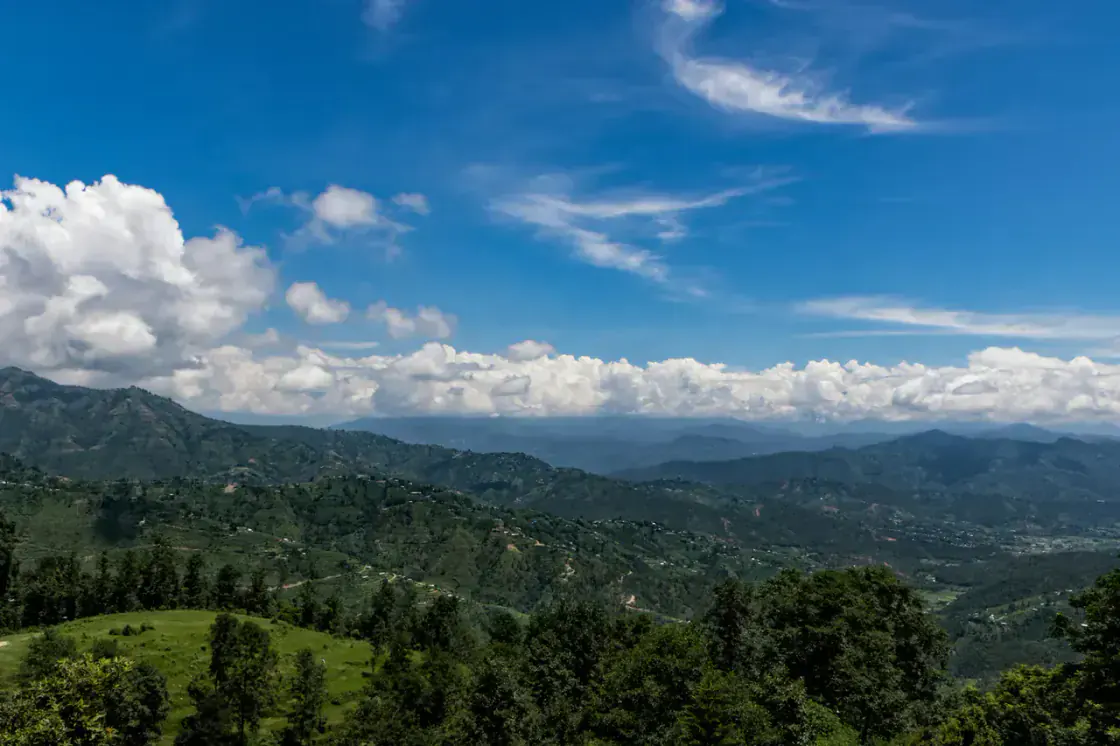
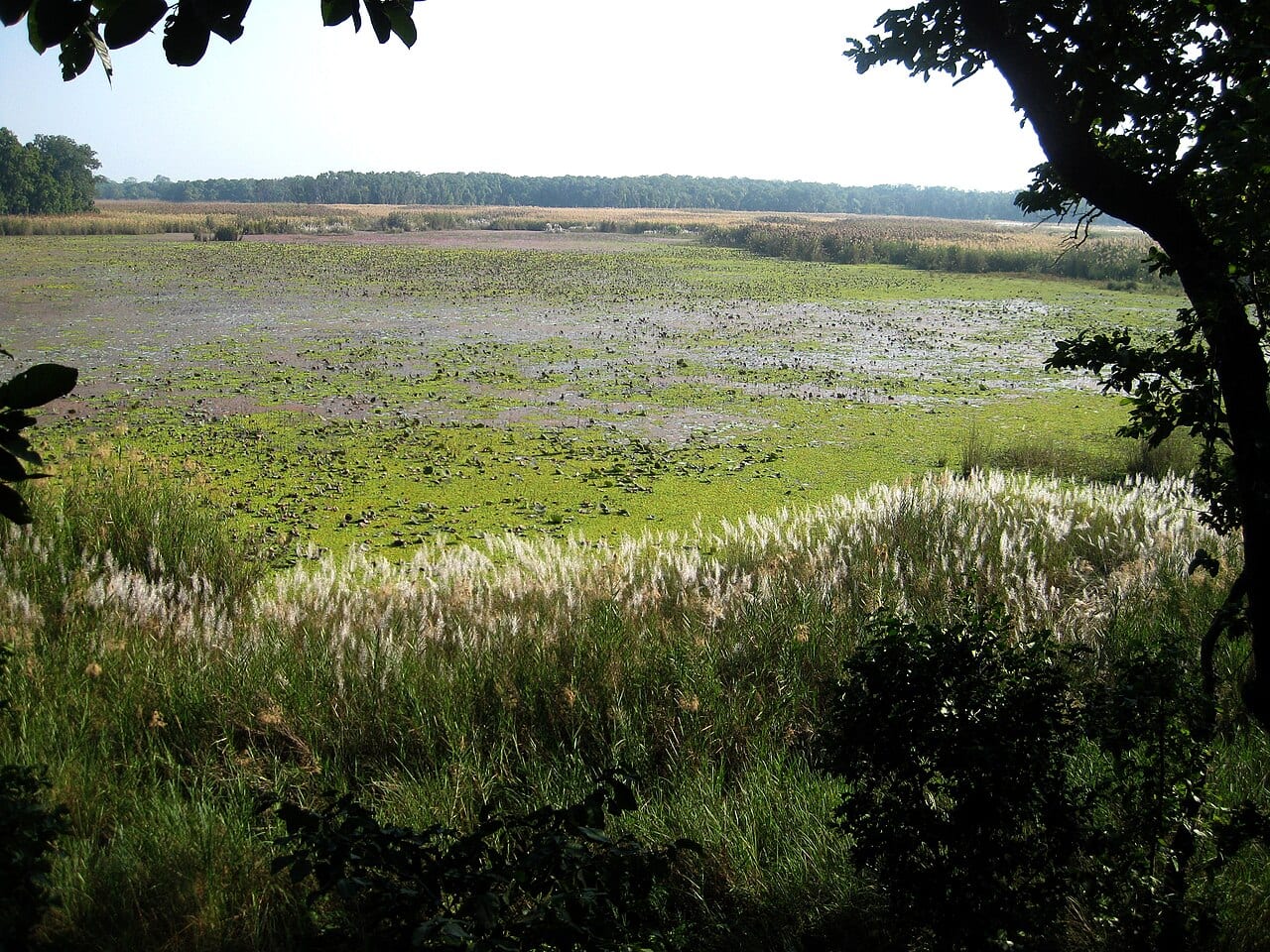
Shuklaphanta National Park wetland and grassland wildlife area in far west Nepal for Nepal travel guide
Province

Sudurpashchim Province

Wildlife

8/10

Birdwatching

8/10

Quick snapshot

Plan the wildlife experience before you plan the photos.

Kanchanpur, far-western Terai. Best used as a route-aware nature stop, not a random pin on the map.

Province

Sudurpashchim Province

Protected area

National Park

Elevation

about 174-1,386 m

Best season

October to March

Entry area

Mahendranagar / Majhgaun side

Typical visit

2 full safari days if traveling from Kathmandu

Why visit

What makes Shuklaphanta National Park worth the effort.

Shuklaphanta is one of Nepal's best places for open grassland wildlife rather than dense jungle-only safari.

Travelers come for large swamp deer herds, quieter park roads, and a far-west Nepal experience with fewer crowds than Chitwan.

It works best for visitors who can accept longer travel in exchange for stronger wilderness atmosphere.

Wildlife highlights

What you may realistically look for

Swamp deerBengal tiger habitatAsian elephantWild boarBlue bullHog deerMarsh crocodile

Birdwatching

Birding rhythm

The park is strong for grassland, wetland, and forest birds. Winter is the most comfortable birding season, especially around wetlands, open grasslands, and river-edge habitats.

Ratings

Nature planning scores

Wildlife8/10
Birdwatching8/10

Experiences

Activities that actually fit this destination.

Availability depends on season, permits, guide access, and current park or conservation-area rules.

Jeep safari

Birdwatching

Nature walks with local guides

Wildlife photography

Far-west culture and food stops

What to expect

Comfort, access, and travel style.

Crowd level

Low compared with Chitwan

Accessibility

Long journey; easiest with flight plus road transfer

Comfort

Simple to mid-range lodges near the park

Family fit

Good for patient families, harder for very short trips

Adventure level

Moderate because of distance and park timing

Best time to visit

Wildlife visibility changes by season.

Spring

Warm days and active wildlife windows; mornings matter before heat builds.

Summer/Monsoon

Green and dramatic but harder for roads, insects, heat, and visibility.

Autumn

Comfort improves after monsoon; grass can still be tall in places.

Winter

Best overall for grassland visibility, birding, and comfortable safari days.

How to reach

Access matters as much as the park itself.

Closest airport

Dhangadhi Airport, then road transfer toward Mahendranagar / park lodges.

From Kathmandu

Fly to Dhangadhi or take a long westbound road journey; do not plan safari the same evening after a tiring arrival.

From Pokhara

Best routed through Kathmandu, Nepalgunj, or western road corridors with a buffer day.

Nearby hubs

Mahendranagar, Dhangadhi, Bardia, and the far-west Terai.

Accommodation area

Where visitors usually stay

Most travelers stay in lodges around Mahendranagar, Majhgaun, or park-edge communities. Choose by guide quality, safari vehicle access, and meal/transfer clarity.

Responsible tourism

Wildlife safety and etiquette

  • Use licensed guides and follow park instructions around elephants, tigers, and grassland visibility.
  • Keep distance from wildlife; do not ask drivers to chase animals for photos.
  • Use quiet voices in birding areas and avoid playback-heavy bird photography.
  • Carry out plastic and respect local community land outside the park.

Suggested itineraries

Simple ways to plan the visit.

Long day trip

Only realistic if already staying near Mahendranagar: early jeep safari, lunch break, afternoon birding.

2-day wildlife trip

Arrival and briefing, one full safari day, then a morning birding or grassland drive before leaving.

3-day wildlife experience

Two full dawn/dusk wildlife windows plus time for wetlands, grassland photography, and far-west local food.

Route connections

How it connects with Nepal routes

Kathmandu -> Dhangadhi -> Shuklaphanta

Fastest practical route for most travelers.

Bardia -> Shuklaphanta

Good for serious wildlife travelers comparing two quieter western parks.

Shuklaphanta -> Lumbini

Possible overland, but long; add buffer and break the route.

Route planner data

Structured planning signals

Latitude / longitude
28.835, 80.206
Category
Wildlife National Park
Visit duration
3 days
Family / adventure
6/10 family, 7/10 adventure

Nearby places and FAQ

Final checks before adding it to a route.

DhangadhiMahendranagarBardia National ParkKarnali corridor

Is Shuklaphanta worth visiting?

Yes if you want quiet grassland safari and can handle the long far-west access.

What wildlife is Shuklaphanta best known for?

Swamp deer herds are the signature highlight, with tiger and elephant habitat adding serious wildlife value.

How many days do I need?

Plan 2-3 nights because the travel time is too long for a rushed single safari.

Is it better than Chitwan?

It is quieter and more remote; Chitwan is easier and has stronger visitor infrastructure.

Smart route check

Plan Shuklaphanta National Park by travel order, not just by popularity.

This is where Discover Nepal Hub is different: the goal is to reduce backtracking, missed nearby places, and confusing Nepal route choices.

Compare this route in the planner

Best route direction

Kathmandu -> Chitwan -> Lumbini: the plains route balances wildlife time with a spiritual stop and smoother overland movement.

Useful next move

Shuklaphanta National Park -> Khaptad National Park: Khaptad National Park is close enough to help build a cleaner regional route instead of adding a disconnected detour.

Mistake to avoid

Expecting guaranteed wildlife sightings or booking activities without checking guide quality.

Travel utility checklist

Shuklaphanta National Park travel planning essentials

Use these structured notes as a planning checklist, then verify seasonal conditions, transport, permits, and local services close to travel.

Last verified: 2026-07-09

Permit Information

Permit status

Check protected-area or restricted-area rules before travel

This site explains requirements, but official permit services remain the source of truth.

Documents to keep ready

Passport, visa, passport photos, and printed or offline permit copies where required

Transport Options

Route planning

Compare this stop with nearby places in the route planner

Transport certainty

Confirm road, flight, or trail access locally

Estimated Costs

Budget level

high

Stay length

3 days suggested by the destination dataset

Emergency And Health

Safety level

caution

Hospital information

Use local city hospitals or clinics; confirm nearest facility before remote side trips

Emergency contacts

Save Tourist Police and local operator or hotel contacts offline

ATM, Internet And SIM

ATM availability

Available in main towns or hubs

Carry enough cash before leaving a gateway town.

Internet and SIM

Mobile signal can vary by route and weather

Altitude, Weather And Seasons

Altitude

174 m

Best months

Oct, Nov, Dec, Jan, Feb, Mar

Weather check

Check current conditions before booking transport or trekking days

Packing Tips

Core packing

Layered clothing, rain protection, water bottle, offline maps, power bank, and copies of documents

Terrain note

Pack for longer walking days, weather shifts, and colder mornings

Nearby Places

Next step

Use related destination links and the route planner to connect this page into a wider itinerary

Travel warnings and verification notes

  • Do not treat estimated costs or permit summaries as official services.
  • Verify road, flight, trail, and weather conditions close to departure.

Destination decision panel

Decide fast if Shuklaphanta National Park belongs in your Nepal itinerary.

Shuklaphanta National Park is best understood through wildlife, national park, grassland, far west experiences in Wildlife.

Best for

adventure travelers, photographers, wildlife travelers

Not ideal for

travelers expecting guaranteed sightings or a one-hour safari checklist

Recommended stay

3 days or more

Budget level

Higher logistics cost

Difficulty level

moderate

Family suitability

Better for active families

Solo traveler suitability

Good with normal precautions

First-time Nepal visitor

Good with planning

Who should visit

Match Shuklaphanta National Park to the right traveler type.

This prevents the most common planning error: adding a destination because it is famous, even when it does not fit the trip.

Photographers

Why it fits: Shuklaphanta National Park rewards photographers who plan around morning light, weather, and the specific wildlife / national park setting.

Why it may not fit: It may disappoint if the visit is squeezed into harsh midday light or poor visibility.

Wildlife travelers

Why it fits: Shuklaphanta National Park works for travelers who value patient naturalist-led time and dawn or dusk activity windows.

Why it may not fit: It may not fit anyone expecting guaranteed animal sightings or a rushed single activity.

Adventure travelers

Why it fits: Shuklaphanta National Park works for adventure travelers when safety checks, weather, and operator quality shape the plan.

Why it may not fit: It may not fit travelers who want every activity confirmed regardless of conditions.

Premium or remote-route travelers

Why it fits: Shuklaphanta National Park fits travelers willing to pay for smoother logistics, better timing, and stronger local support.

Why it may not fit: It may not fit strict budget travelers unless they accept slower transport and simpler stays.

Best Time To Visit

Oct, Nov, Dec, Jan, Feb, Mar are the most comfortable months for Shuklaphanta National Park. In hotter or wetter months, start early and keep the schedule lighter.

How To Reach Shuklaphanta National Park

From Kathmandu

Use tourist bus, private vehicle, or a domestic flight plus lodge transfer depending on budget and time.

From Pokhara

Road travel is common; leave early and avoid planning safari activities immediately after a long arrival.

By local bus

Possible for budget travelers, but transfers and drop-off points require patience and local confirmation.

Travel Tips

  • expecting guaranteed wildlife sightings or booking activities without checking guide quality.
  • treating Shuklaphanta National Park as a quick pin instead of matching it to your route sequence.
  • forgetting cash for small tickets, local transport, snacks, tips, toilets, or remote payments.

Transportation Details

Reach the wildlife base by tourist bus, private vehicle, domestic flight plus transfer, or lodge-arranged pickup. Safari timing is better at dawn and late afternoon than in harsh midday heat.

Route Planning Advice

Place Shuklaphanta National Park where it reduces backtracking. The best route is usually the one that connects nearby destinations naturally and leaves time for delays.

Travel rhythm

Let the day breathe like Shuklaphanta National Park.

These pages are built for practical decisions: what to prioritize first, where the atmosphere lives, and where to slow down before moving on.

1

Arrive with flexible timing

2

Explore the strongest local experience first

3

Leave room for weather or road changes

4

Connect onward without rushing

Why it matters

Why visit

Shuklaphanta National Park is defined by wildlife, national park, grassland experiences in the Wildlife region.

Why it matters

What it feels like

Most travelers should allow about 3 days before adding long transfers.

Why it matters

How it connects

It works best when paired with nearby destinations instead of treated as an isolated checklist stop.

Practical guide

Costs, stays, food, signal, and safety.

This is the part most travelers need before booking: what the destination asks from your time, money, comfort, and caution.

Budget Breakdown

Shuklaphanta National Park needs a higher budget because transport, guides, permits, lodges, or remote logistics can cost more than city sightseeing. Keep cash for local payments and buffer money for delays.

Accommodation Guide

Choose accommodation by guide quality and activity ethics, not only room photos. A good lodge can arrange safer safari timing, park entry support, and reliable transfers.

Food & Local Experience

Lodges often handle meals around safari schedules. Try local Tharu food when available, drink safe water, and avoid heavy meals before early activities.

Internet / ATM / SIM / Electricity

Mobile data and basic services are usually available, but outages happen. Carry cash, keep your SIM active, save offline maps, and confirm ATM access before late arrivals.

Difficulty & Safety

Use caution around wildlife, rough roads, rivers, heat, or altitude. Listen to guides and do not improvise risky shortcuts.

Permits & Local Checks

Check current permits before travel. Conservation areas, national parks, restricted regions, and trekking routes can have changing rules, checkpoints, guide requirements, or local fees.

Costs, stays, and local life

Build a realistic Shuklaphanta National Park budget.

Costs change by season and comfort level, so use these ranges as planning categories rather than fixed package prices.

Budget traveler

Accommodation: simple guesthouses or basic local hotels

Food: dal bhat, noodles, tea, and local meals

Transport: local buses, shared jeeps, walking, or carefully chosen taxis

Activities: prioritize one or two essentials: park entry, safari activities, naturalist guide, and lodge packages

Mid-range traveler

Accommodation: well-located hotels, homestays, or comfortable lodges

Food: local restaurants, hotel meals, and a few cafe breaks

Transport: tourist bus, private taxi sections, or lodge-arranged transfers

Activities: budget for guided context and the main paid experiences: park entry, safari activities, naturalist guide, and lodge packages

Higher-comfort traveler

Accommodation: boutique stays, view rooms, or premium lodges

Food: more hotel-based meals and flexible snack stops

Transport: private vehicle, flights where useful, or full operator support

Activities: pay for stronger logistics, safer timing, and fewer rushed decisions

Things to do

Best things to do in Shuklaphanta National Park.

Each activity includes timing, cost expectations, best conditions, and the practical detail travelers usually need before committing.

Arrive with flexible timing

Start with this because it reveals wildlife, national park, grassland, far west experiences in Wildlife.

Time needed: Half day

Cost: Moderate to high

Best time: Clear-season morning

Tip: Confirm current transport, opening hours, entry fees, and local conditions before departure.

Explore the strongest local experience first

Use this to add depth beyond the main arrival point in Shuklaphanta National Park.

Time needed: Half day

Cost: Moderate to high

Best time: Clear-season morning

Tip: Save offline maps and hotel contact details.

Leave room for weather or road changes

Use this to add depth beyond the main arrival point in Shuklaphanta National Park.

Time needed: Half day

Cost: Moderate to high

Best time: Clear-season morning

Tip: Use local guides where culture, wildlife, or altitude makes context important.

Where to stay

Choose the area before choosing the room.

Main lodge area

first safari visitors

Choose by naturalist quality, transfer support, and activity ethics rather than room photos alone.

Riverside lodge

sunset, birding, and slower nature time

Good for travelers who want atmosphere between safari blocks.

Quieter edge lodges

families or higher-comfort travelers

Confirm meals, transfers, and park activity inclusions before booking.

Local food and experiences

What gives Shuklaphanta National Park its local texture.

Naturalist-led wildlife time

The best experiences depend on patient guides, dawn or dusk timing, and respectful distance from animals.

River-edge evenings

Sunset and birdlife often make the hours between activities feel as important as the safari itself.

Local community context

Tharu or lowland cultural experiences add meaning when they are handled respectfully and not rushed.

Route ideas

Fit Shuklaphanta National Park into a route that makes sense.

The best Nepal trips usually depend on sequence: where you sleep, when roads are easiest, and which experiences belong together.

Simple First Route

Arrive, visit the core experience, sleep if needed, then continue toward the nearest regional hub.

Slow Route

Add a buffer day for local walks, weather, food, photography, or a quieter second morning.

Common mistakes

Avoid the planning errors that make Shuklaphanta National Park harder than it needs to be.

1

expecting guaranteed wildlife sightings or booking activities without checking guide quality.

2

treating Shuklaphanta National Park as a quick pin instead of matching it to your route sequence.

3

forgetting cash for small tickets, local transport, snacks, tips, toilets, or remote payments.

4

arriving too late in the day and losing the best light, transport window, or activity timing.

5

trusting map distance without checking real road time, traffic, trail condition, or weather.

Destination connections

Where travelers usually go next.

These connections keep DiscoverNepalHub focused on travel flow: fewer dead-end detours, better pacing, and more logical regional movement.

Kathmandu -> Chitwan -> Lumbini

the plains route balances wildlife time with a spiritual stop and smoother overland movement.

Shuklaphanta National Park -> Khaptad National Park

Khaptad National Park is close enough to help build a cleaner regional route instead of adding a disconnected detour.

Shuklaphanta National Park -> Bardia National Park

Bardia National Park is close enough to help build a cleaner regional route instead of adding a disconnected detour.

Shuklaphanta National Park -> Krishnasaar Conservation Area

Krishnasaar Conservation Area is close enough to help build a cleaner regional route instead of adding a disconnected detour.

Suggested itineraries

Simple ways to place Shuklaphanta National Park in your Nepal route.

Keep the first version realistic. Add side trips only after you know transport time, weather, and your own energy.

1-day plan

Arrive, visit the core experience, sleep if needed, then continue toward the nearest regional hub.

3-day plan

Add a buffer day for local walks, weather, food, photography, or a quieter second morning.

Connected route

Combine Shuklaphanta National Park with Khaptad National Park and Bardia National Park and Krishnasaar Conservation Area only when the sequence reduces backtracking and leaves daylight for transfers.

Slow-travel version

Add one extra night if you want quieter mornings, local food, flexible weather, and enough time to recover before moving on.

Trip planning insights

The decisions to make before booking Shuklaphanta National Park.

These answers cover the planning questions travelers usually ask after deciding the destination looks interesting.

How many days should I stay?

3 days or more is the practical first-plan answer. Add time if Shuklaphanta National Park is part of a longer route, weather-dependent activity, trekking stage, or remote transfer.

When should I skip this destination?

Skip it if you need guaranteed wildlife sightings or only have time for one rushed night.

What season is best?

Oct, Nov, Dec, Jan, Feb, Mar are usually strongest because dry-season conditions improve park access, wildlife tracking rhythm, and comfort in the lowlands.

Can it be visited year-round?

Usually yes, but the quality of the visit changes by season. In hotter or wetter months, start early and keep the route lighter.

What type of trip benefits most?

Shuklaphanta National Park works best in a trip built around adventure travelers, photographers, wildlife travelers rather than a route that adds stops only because they look close on a map.

Before you go

Practical notes for a cleaner first visit.

  • Confirm current transport, opening hours, entry fees, and local conditions before departure.
  • Save offline maps and hotel contact details.
  • Use local guides where culture, wildlife, or altitude makes context important.

Nearby destinations

Build a smarter route around Shuklaphanta National Park.

Compare route options

Route planner

Check how Shuklaphanta National Park connects with the rest of Nepal.

Compare nearby destinations, rough travel direction, and trip flow before building a fixed itinerary.

Open route planner

FAQ

Common questions about Shuklaphanta National Park

Is Shuklaphanta National Park worth visiting?

Shuklaphanta National Park is worth visiting if you want wildlife, national park, grassland, far west. It is strongest when the stop improves your route rather than adding a random detour.

How many days should I stay in Shuklaphanta National Park?

Plan 3 days or more. Add buffer time if you are combining it with long road travel, trekking, wildlife activities, or weather-sensitive viewpoints.

What is the best time to visit Shuklaphanta National Park?

Oct, Nov, Dec, Jan, Feb, Mar are usually the best planning months for Shuklaphanta National Park. Outside those months, check heat, rain, haze, road conditions, or mountain visibility before locking the route.

What are the top things to do in Shuklaphanta National Park?

Start with arrive with flexible timing. Other good choices include explore the strongest local experience first, leave room for weather or road changes.

How much does Shuklaphanta National Park cost?

Budget travelers should keep costs simple with local transport and basic meals. Mid-range travelers usually spend more on better location, private transfers, and guided activities. Higher-comfort travelers should budget for stronger logistics, better stays, and buffer days.

How do I reach Shuklaphanta National Park?

Use tourist bus, private vehicle, or a domestic flight plus lodge transfer depending on budget and time.

Where should I stay for Shuklaphanta National Park?

Main lodge area usually works best for first safari visitors. Choose by naturalist quality, transfer support, and activity ethics rather than room photos alone.

Is Shuklaphanta National Park safe for solo travelers?

Shuklaphanta National Park is manageable for solo travelers with normal care: use trusted transport, keep offline maps, avoid isolated late-night movement, and confirm local conditions.

Is Shuklaphanta National Park family friendly?

Shuklaphanta National Park is better for active families or older children because the route may involve longer roads, altitude, trekking, or remote logistics.

What mistake should I avoid in Shuklaphanta National Park?

The most common mistake is expecting guaranteed wildlife sightings or booking activities without checking guide quality.

Can I visit Shuklaphanta National Park without a guide?

Shuklaphanta National Park can be reached independently, but park and wildlife activities should be handled through licensed lodges, naturalists, or approved operators for safety and ethics.

Where should I go after Shuklaphanta National Park?

Kathmandu -> Chitwan -> Lumbini works well because the plains route balances wildlife time with a spiritual stop and smoother overland movement.

Cookie choices

Essential storage keeps this choice. Analytics cookies only load if you accept them. Read the privacy policy.