Sagarmatha National Park destination cluster
Sagarmatha National Park Travel Guide
Plan Sagarmatha National Park with Everest trekking, Himalayan wildlife, birdwatching, Lukla access, seasons, responsible travel, and route connections.
Location
Everest / Khumbu region
Best time
March-May and October-November
Visit duration
7-12 days
Difficulty
Hard
Best for
high Himalayan wildlife, Everest trekking, alpine landscapes
Nearby
Kathmandu, Lukla, Sagarmatha, Sagarmatha
Suggested route
National park route
Why visit
Why Sagarmatha National Park Travel Guide belongs in a connected Nepal route.
Sagarmatha is a wildlife destination for travelers who understand that the main experience is high mountain habitat, not jeep safari.
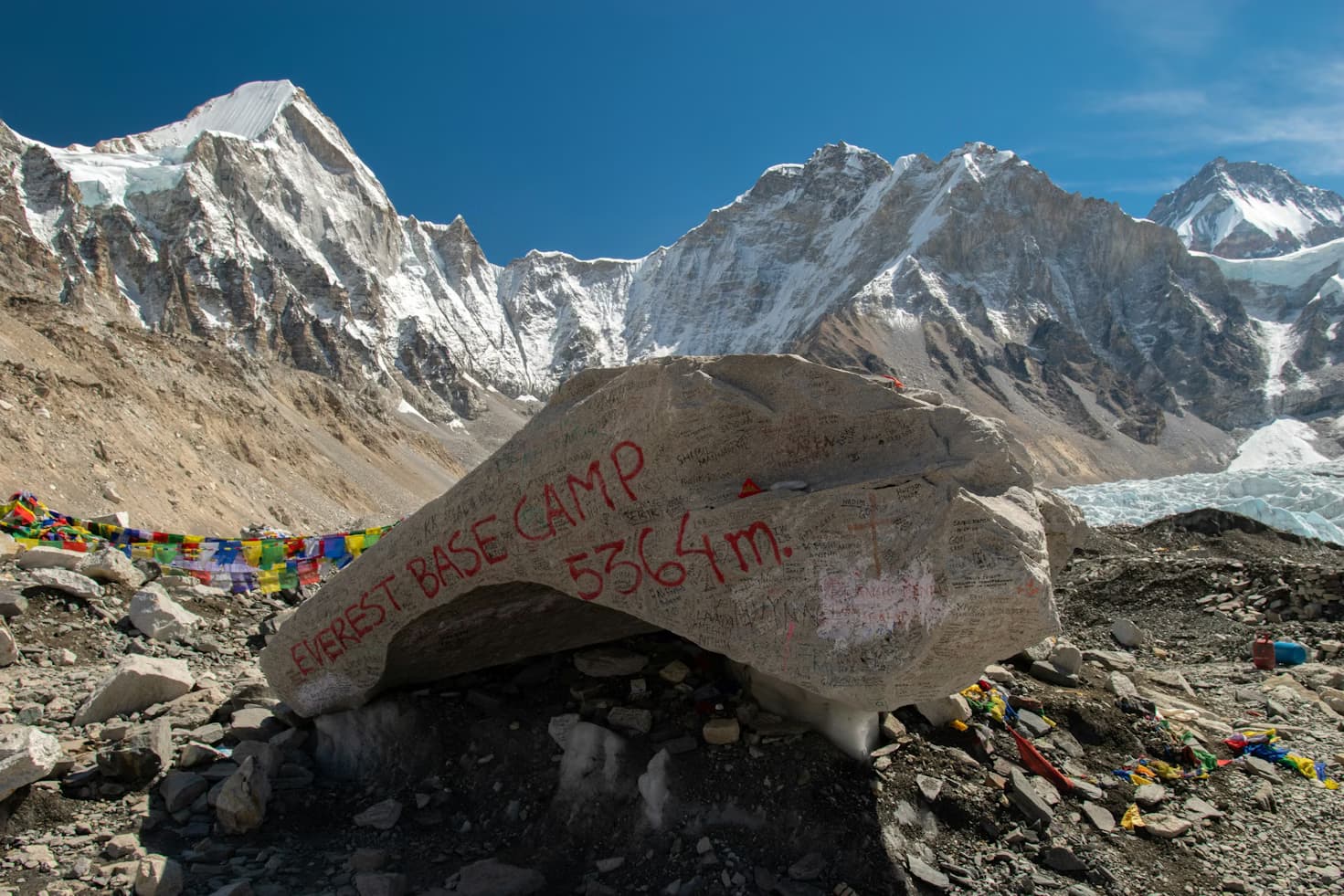
The park combines Everest views, Sherpa villages, monasteries, forests, musk deer habitat, and alpine birds.
It is best for active travelers who can plan around altitude, weather, and trekking logistics.
Step-by-step visit guide
Start simple, then connect the next nearby stop.
Start by using Lukla / Monjo park entry as the practical access point, then confirm current permits, guides, and transport locally.
Plan around at least one week; longer for everest base camp or gokyo routes rather than treating Sagarmatha National Park as a quick photo stop.
Prioritize trekking, wildlife watching, birdwatching during the best dawn, dusk, or clear-weather windows.
Choose stays and operators by guide quality, safety discipline, and route clarity before price alone.
Keep one buffer day when flights, mountain roads, park access, or weather can affect the plan.
Best route combinations
Nearby places and route links that make sense.
Kathmandu -> Lukla -> Sagarmatha
The standard entry sequence.
Sagarmatha -> Kathmandu
Keep buffer days before international departure because Lukla flights can delay.
Sagarmatha -> Chitwan
A good contrast if you want high Himalaya plus lowland wildlife.
Safety and visitor notes
Practical notes before you go.
Respect altitude; wildlife watching should never override acclimatization safety.
Do not feed wildlife or leave food waste around lodges.
Use refill water systems where available and reduce plastic bottle use.
Stay on established trails to protect fragile alpine vegetation.
Best time to visit
Timing makes this stop easier to enjoy.
Best season
March-May and October-November
Best time of day
Early morning and late afternoon usually give the best wildlife and light.
When to avoid
Avoid tight same-day connections when weather, roads, permits, or park timing can change.
Travel caution
Respect altitude; wildlife watching should never override acclimatization safety.
Who should visit
Best for these traveler types.
Continue your Sagarmatha National Park route
Use Sagarmatha National Park Travel Guide as one connected stop, then keep the day simple.
Link this guide with the destination hub, a nearby place, or the route planner so your travel day feels practical instead of scattered.