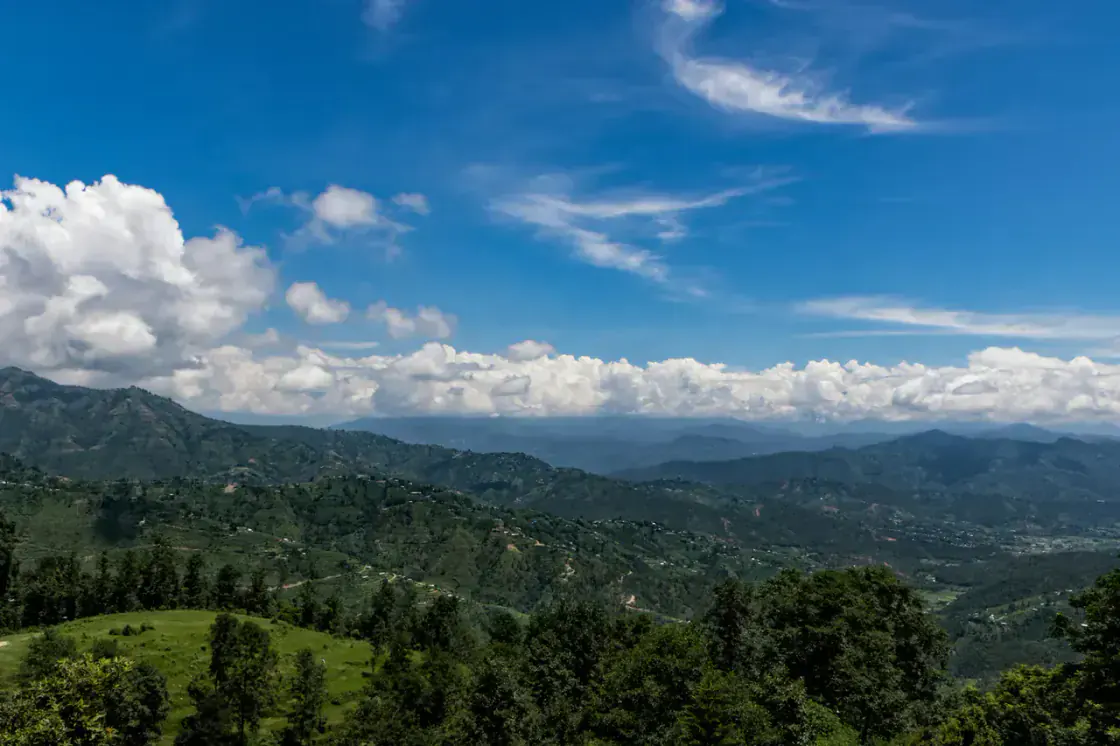
Mountain Regions
Discover Nepal's most peaceful alpine wilderness.
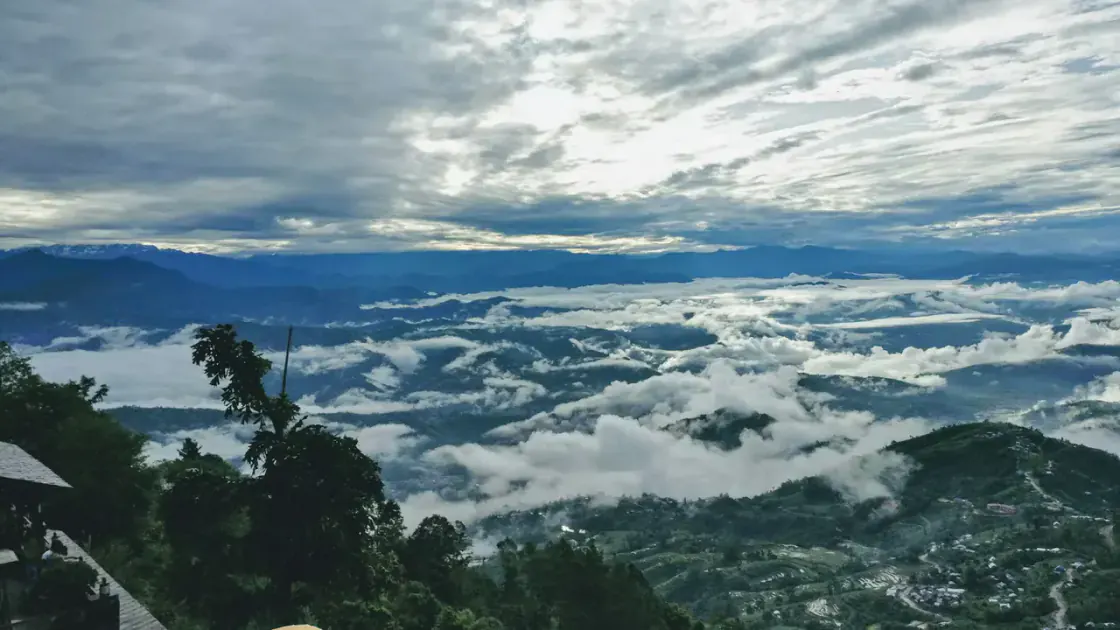
Rara Lake feels different because it asks travelers to slow down. Remote western Nepal, deep blue water, pine forests, cold mornings, and high-altitude silence make the journey feel untouched and deeply peaceful.

Apr, May, Sep, Oct
hard
4 days
Smart route check
Plan Rara National Park by travel order, not just by popularity.
This is where Discover Nepal Hub is different: the goal is to reduce backtracking, missed nearby places, and confusing Nepal route choices.
Compare this route in the plannerBest route direction
Useful next move
Mistake to avoid
Nearby places to compare
Travel utility checklist
Rara National Park travel planning essentials
Use these structured notes as a planning checklist, then verify seasonal conditions, transport, permits, and local services close to travel.
Last verified: 2026-07-09
Permit Information
Permit status
Check protected-area or restricted-area rules before travel
This site explains requirements, but official permit services remain the source of truth.
Documents to keep ready
Passport, visa, passport photos, and printed or offline permit copies where required
Transport Options
Route planning
Compare this stop with nearby places in the route planner
Transport certainty
Confirm road, flight, or trail access locally
Estimated Costs
Budget level
high
Stay length
4 days suggested by the destination dataset
Emergency And Health
Safety level
guide-recommended
Hospital information
Use local city hospitals or clinics; confirm nearest facility before remote side trips
Emergency contacts
Save Tourist Police and local operator or hotel contacts offline
ATM, Internet And SIM
ATM availability
Available in main towns or hubs
Carry enough cash before leaving a gateway town.
Internet and SIM
Mobile signal can vary by route and weather
Altitude, Weather And Seasons
Altitude
2,990 m
Best months
Apr, May, Sep, Oct, Nov
Weather check
Check current conditions before booking transport or trekking days
Packing Tips
Core packing
Layered clothing, rain protection, water bottle, offline maps, power bank, and copies of documents
Terrain note
Pack for longer walking days, weather shifts, and colder mornings
Nearby Places
Next step
Use related destination links and the route planner to connect this page into a wider itinerary
Travel warnings and verification notes
- Do not treat estimated costs or permit summaries as official services.
- Verify road, flight, trail, and weather conditions close to departure.
Official government and tourism references
Discover Nepal Hub explains the planning context and links out to official sources. It does not replace government or permit services.
Destination decision panel
Decide fast if Rara National Park belongs in your Nepal itinerary.
Rara National Park is best understood through remote blue lake scenery, pine forests, Karnali travel, and a slower wilderness rhythm.
Best for
adventure travelers, photographers, slow travelers
Not ideal for
tight schedules, luxury shopping, nightlife, or travelers without buffer days
Recommended stay
4 days or more
Budget level
Higher logistics cost
Difficulty level
hard
Family suitability
Better for active families
Solo traveler suitability
Possible with guide support
First-time Nepal visitor
Better after easier Nepal stops
Who should visit
Match Rara National Park to the right traveler type.
This prevents the most common planning error: adding a destination because it is famous, even when it does not fit the trip.
Trekkers
Why it fits: Rara National Park fits trekkers because the route depends on trail pacing, lodges, altitude decisions, and clear exit planning.
Why it may not fit: It may not fit travelers who want paved-road sightseeing, fixed comfort, or no buffer days.
Photographers
Why it fits: Rara National Park rewards photographers who plan around morning light, weather, and the specific lake / remote setting.
Why it may not fit: It may disappoint if the visit is squeezed into harsh midday light or poor visibility.
Premium or remote-route travelers
Why it fits: Rara National Park fits travelers willing to pay for smoother logistics, better timing, and stronger local support.
Why it may not fit: It may not fit strict budget travelers unless they accept slower transport and simpler stays.
Best Time To Visit
Apr, May, Sep, Oct, Nov are the strongest planning months for Rara National Park. Clear mornings matter, and high routes need extra buffer for weather, cold, and altitude.
How To Reach Rara National Park
From Kathmandu
Use the main trekking or road gateway for the region, then continue by flight, jeep, bus, or walking route as conditions allow.
From Pokhara
Pokhara is useful for Annapurna and Mustang routes, while Everest and Langtang usually work better from Kathmandu.
By flight
Flights can save time on some routes but need weather buffer days and flexible onward plans.
Travel Tips
- building a tight schedule without buffer days for roads, flights, landslides, or local delays.
- underestimating altitude, lodge spacing, permits, weather changes, and descent fatigue.
- treating Rara National Park as a quick pin instead of matching it to your route sequence.
Transportation Details
Rara needs serious transport flexibility. Travelers usually combine flights toward Nepalgunj/Talcha or long road sections, then local transfers and walking near the lake.
Route Planning Advice
Build the route around acclimatization, lodge spacing, permits, and exit buffers. A shorter-looking mountain plan can become risky when weather or altitude is ignored.
Why Rara feels different
Remote, quiet, and untouched in a way most Nepal routes are not.
Rara is not powerful because it is easy. It is powerful because the journey slows you down before the lake appears.
Remote Nepal
Isolation Is The Feeling
Rara sits far from Nepal's crowded tourism circuits. The distance creates a quieter kind of reward: fewer distractions, slower movement, and a stronger sense of arrival.
Remote Nepal
Silence Has Space Here
The lake does not need a busy itinerary. Forest edges, soft wind, distant hills, and still water make the silence feel like the main attraction.
Remote Nepal
Western Nepal Identity
Rara carries the feeling of remote Karnali: less polished, less crowded, more patient, and more connected to untouched nature than standard route stops.

Lake experience
The water is the emotional center of Rara.
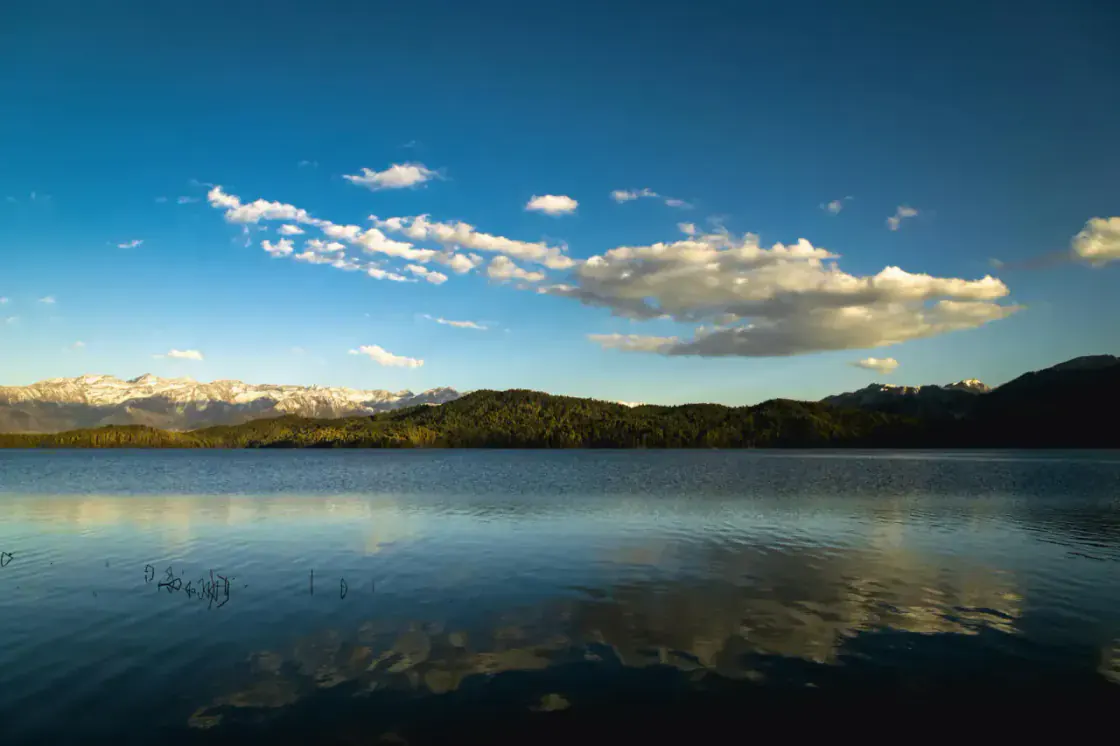
Rara Lake
Still water, pine forests, and light that changes the whole mood.
Remote journey
Reaching Rara is part of entering untouched Nepal.
The journey can involve mountain flights, long roads, local transfers, waiting, weather, and western Nepal's less-developed travel rhythm. That uncertainty should not be treated only as inconvenience. It is part of why Rara still feels distant, quiet, and emotionally separate from the country's busier routes.
Rara National Park
A protected alpine ecosystem where nature feels patient.
The national park is not just the lake's boundary. It is the forest, birdlife, mountain air, quiet trails, and conservation atmosphere that make Rara feel whole.
Alpine Forests
Pine, fir, and highland forest edges frame the lake with a quiet mountain mood.
Birdlife And Wildlife
The park rewards patient observation more than safari-style searching.
Conservation Atmosphere
Rara National Park feels protected because the environment is still spacious, fragile, and deeply calm.
Peaceful activities
Rara is best experienced gently.
Choose slow, reflective activities that keep the lake, forest, and silence at the center of the day.
Lakeside walking
Boating when available
Horse riding
Forest hiking
Photography
Sunrise and sunset viewing
Quiet nature exploration
Experience the atmosphere
Cold mornings, quiet forests, lake reflections, and stars above remote Nepal.
The strongest Rara memories are often small: water, trees, sky, silence, and the rare feeling that nothing needs to happen quickly.
Wake into cold mountain air before the lake has fully changed color.
Walk beside still water while pine forest and hills hold the morning quiet.
Watch cloud shadows move across the lake instead of rushing to the next stop.
Let remote Nepal feel simple: wind, water, footpaths, forest, and sky.
Stay outside after dark when stars begin to sharpen above the mountains.
End the day with the feeling that silence can be a destination.
Connected destinations
Rara belongs to a wider remote Nepal ecosystem.

Karnali Region
Rara is a natural doorway into Karnali's remote western Nepal identity, where distance, simplicity, and patience shape travel.

Jumla
Many Rara journeys connect through Jumla-style mountain routes, local movement, and a deeper sense of western Nepal.

Remote Nepal Experiences
Use Rara as part of a wider hidden Nepal plan only if your schedule can handle weather, roads, and slower travel.

Wilderness Destinations
Continue toward trekking and wilderness regions when you want more quiet landscapes rather than busy sightseeing.
Travel rhythm
Let the day breathe like Rara National Park.
These pages are built for practical decisions: what to prioritize first, where the atmosphere lives, and where to slow down before moving on.
Remote approach
quiet lake arrival
forest and shoreline walking
unhurried return
Why it matters
Why visit
Rara is not built around crowds, nightlife, or checklist sightseeing. Its beauty comes from isolation, silence, pine forests, lake reflections, and the feeling of entering Nepal's quieter west.
Why it matters
What it feels like
The water shifts from deep blue to silver and green as light changes. Mornings, sunsets, cloud shadows, and forest reflections make the lake feel alive without ever becoming loud.
Why it matters
How it connects
Reaching Rara takes patience through flights, roads, local transfers, and buffers. That distance is part of why the destination still feels untouched.
Practical guide
Costs, stays, food, signal, and safety.
This is the part most travelers need before booking: what the destination asks from your time, money, comfort, and caution.
Budget Breakdown
Rara National Park needs a higher budget because transport, guides, permits, lodges, or remote logistics can cost more than city sightseeing. Keep cash for local payments and buffer money for delays.
Accommodation Guide
Expect tea houses, trekking lodges, simple guesthouses, or route-based stays. Book ahead in busy trekking months and keep expectations realistic for hot showers, heating, charging, and private bathrooms.
Food & Local Experience
Dal bhat, noodles, soups, eggs, tea, and simple lodge meals are the backbone of mountain travel. Carry snacks for long stages and do not rely on late-night food availability.
Internet / ATM / SIM / Electricity
Mobile data, Wi-Fi, electricity, ATMs, and charging can be unreliable or expensive. Carry cash, a power bank, offline maps, SIM data, and printed or saved booking details.
Difficulty & Safety
This is not a casual stop. Weather, trail conditions, road access, and fatigue can affect the plan, so use local support and keep buffer days.
Permits & Local Checks
Check current permits before travel. Conservation areas, national parks, restricted regions, and trekking routes can have changing rules, checkpoints, guide requirements, or local fees.
Costs, stays, and local life
Build a realistic Rara National Park budget.
Costs change by season and comfort level, so use these ranges as planning categories rather than fixed package prices.
Budget traveler
Accommodation: basic tea houses or simple guesthouses
Food: dal bhat, noodles, tea, and local meals
Transport: local buses, shared jeeps, walking, or carefully chosen taxis
Activities: prioritize one or two essentials: permits, guide/porter, lodge meals, and trail transport
Mid-range traveler
Accommodation: better lodges where available
Food: local restaurants, hotel meals, and a few cafe breaks
Transport: tourist bus, private taxi sections, or lodge-arranged transfers
Activities: budget for guided context and the main paid experiences: permits, guide/porter, lodge meals, and trail transport
Higher-comfort traveler
Accommodation: best available lodges plus buffer nights
Food: more hotel-based meals and flexible snack stops
Transport: private vehicle, flights where useful, or full operator support
Activities: pay for stronger logistics, safer timing, and fewer rushed decisions
Things to do
Best things to do in Rara National Park.
Each activity includes timing, cost expectations, best conditions, and the practical detail travelers usually need before committing.
Walk the Rara Lake shore
Rara is best experienced slowly beside deep blue water, pine forest, changing light, and wide silence.
Time needed: 2-4 hours
Cost: Park and local costs vary
Best time: Morning or late afternoon
Tip: Keep the schedule light; the lake is not a checklist destination.
Plan remote access carefully
Reaching Rara can involve flights, long roads, local transfers, waiting, and weather uncertainty.
Time needed: Several days
Cost: Higher transport and buffer costs
Best time: Apr-May or Sep-Nov
Tip: Keep extra days and cash for disruptions.
Explore Rara National Park gently
Forest edges, birdlife, and quiet trails add depth beyond the lake viewpoint.
Time needed: Half day
Cost: Permit/local guide costs may apply
Best time: Morning
Tip: Stay on local routes and avoid leaving waste in the park.
Where to stay
Choose the area before choosing the room.
Gateway town
arrival, permits, gear, and guide coordination
Stay here before committing to the trail or remote road section.
Route lodges
trekking rhythm
Expect simple rooms, variable showers, charging limits, and cash payments.
View or acclimatization stop
weather and altitude pacing
Choose the stop that supports safety, not only the prettiest photo.
Local food and experiences
What gives Rara National Park its local texture.
Tea-house meals
Dal bhat, soup, noodles, eggs, tea, and lodge dining shape daily mountain rhythm.
Village conversations
Use local lodges and guides where possible; the route is cultural as well as scenic.
Morning mountain light
Clear mornings usually matter more than late-afternoon plans in Himalayan regions.
Route ideas
Fit Rara National Park into a route that makes sense.
The best Nepal trips usually depend on sequence: where you sleep, when roads are easiest, and which experiences belong together.
Slow Alpine Lake Journey
Plan enough time to sit beside the water, walk through forest edges, watch light change, and let the remote mood become the point of the trip.
Western Nepal Wilderness Route
Use Rara as a doorway into Karnali, Jumla, and remote Nepal experiences only if you can travel with flexible timing.
Common mistakes
Avoid the planning errors that make Rara National Park harder than it needs to be.
building a tight schedule without buffer days for roads, flights, landslides, or local delays.
underestimating altitude, lodge spacing, permits, weather changes, and descent fatigue.
treating Rara National Park as a quick pin instead of matching it to your route sequence.
forgetting cash for small tickets, local transport, snacks, tips, toilets, or remote payments.
arriving too late in the day and losing the best light, transport window, or activity timing.
trusting map distance without checking real road time, traffic, trail condition, or weather.
Destination connections
Where travelers usually go next.
These connections keep DiscoverNepalHub focused on travel flow: fewer dead-end detours, better pacing, and more logical regional movement.
Kathmandu or Pokhara -> gateway town -> mountain route
mountain destinations need staging, permits, weather checks, and exit buffers.
Rara National Park -> Shey Phoksundo National Park
Shey Phoksundo National Park is close enough to help build a cleaner regional route instead of adding a disconnected detour.
Rara National Park -> Khaptad National Park
Khaptad National Park is close enough to help build a cleaner regional route instead of adding a disconnected detour.
Rara National Park -> Upper Dolpo
Upper Dolpo is close enough to help build a cleaner regional route instead of adding a disconnected detour.
Suggested itineraries
Simple ways to place Rara National Park in your Nepal route.
Keep the first version realistic. Add side trips only after you know transport time, weather, and your own energy.
1-day plan
Plan enough time to sit beside the water, walk through forest edges, watch light change, and let the remote mood become the point of the trip.
4-day plan
Use Rara as a doorway into Karnali, Jumla, and remote Nepal experiences only if you can travel with flexible timing.
Connected route
Combine Rara National Park with Shey Phoksundo National Park and Khaptad National Park and Upper Dolpo only when the sequence reduces backtracking and leaves daylight for transfers.
Slow-travel version
Add one extra night if you want quieter mornings, local food, flexible weather, and enough time to recover before moving on.
Trip planning insights
The decisions to make before booking Rara National Park.
These answers cover the planning questions travelers usually ask after deciding the destination looks interesting.
How many days should I stay?
4 days or more is the practical first-plan answer. Add time if Rara National Park is part of a longer route, weather-dependent activity, trekking stage, or remote transfer.
When should I skip this destination?
Skip it on a tight schedule, with weak fitness, or without buffer days for weather, altitude, and transport.
What season is best?
Apr, May, Sep, Oct, Nov are the strongest months because mountain routes need clearer weather, safer trails, and better visibility. Monsoon and deep winter can make logistics harder.
Can it be visited year-round?
Not comfortably for every traveler. Access, weather, altitude, landslides, snow, or flight reliability can make some months much harder.
What type of trip benefits most?
Rara National Park works best in a trip built around adventure travelers, photographers, slow travelers rather than a route that adds stops only because they look close on a map.
Before you go
Practical notes for a cleaner first visit.
- Do not plan Rara with tight onward flights or fixed commitments immediately after returning.
- Carry cash, offline maps, warm layers, power backup, and realistic expectations for limited services.
- Stay longer than the minimum if possible; rushing Rara can make the journey feel like transport instead of wilderness.
Nearby destinations
Build a smarter route around Rara National Park.
Route planner
Check how Rara National Park connects with the rest of Nepal.
Compare nearby destinations, rough travel direction, and trip flow before building a fixed itinerary.
FAQ
Common questions about Rara National Park
Is Rara National Park worth visiting?
Rara National Park is worth visiting if you want remote blue lake scenery, pine forests, Karnali travel, and a slower wilderness rhythm. It is strongest when the stop improves your route rather than adding a random detour.
How many days should I stay in Rara National Park?
Plan 4 days or more. Add buffer time if you are combining it with long road travel, trekking, wildlife activities, or weather-sensitive viewpoints.
What is the best time to visit Rara National Park?
Apr, May, Sep, Oct, Nov are usually the best planning months for Rara National Park. Outside those months, check heat, rain, haze, road conditions, or mountain visibility before locking the route.
What are the top things to do in Rara National Park?
Start with walk the rara lake shore. Other good choices include plan remote access carefully, explore rara national park gently.
How much does Rara National Park cost?
Budget travelers should keep costs simple with local transport and basic meals. Mid-range travelers usually spend more on better location, private transfers, and guided activities. Higher-comfort travelers should budget for stronger logistics, better stays, and buffer days.
How do I reach Rara National Park?
Use the main trekking or road gateway for the region, then continue by flight, jeep, bus, or walking route as conditions allow.
Where should I stay for Rara National Park?
Gateway town usually works best for arrival, permits, gear, and guide coordination. Stay here before committing to the trail or remote road section.
Is Rara National Park safe for solo travelers?
Rara National Park can work for solo travelers, but a licensed guide or registered operator is strongly recommended because route conditions, altitude, remoteness, or permits can matter.
Is Rara National Park family friendly?
Rara National Park is better for active families or older children because the route may involve longer roads, altitude, trekking, or remote logistics.
What mistake should I avoid in Rara National Park?
The most common mistake is building a tight schedule without buffer days for roads, flights, landslides, or local delays.
Can I visit Rara National Park without a guide?
A guide is recommended for Rara National Park. Even when independent travel is possible, local support helps with permits, route finding, weather calls, and emergency decisions.
Where should I go after Rara National Park?
Kathmandu or Pokhara -> gateway town -> mountain route works well because mountain destinations need staging, permits, weather checks, and exit buffers.