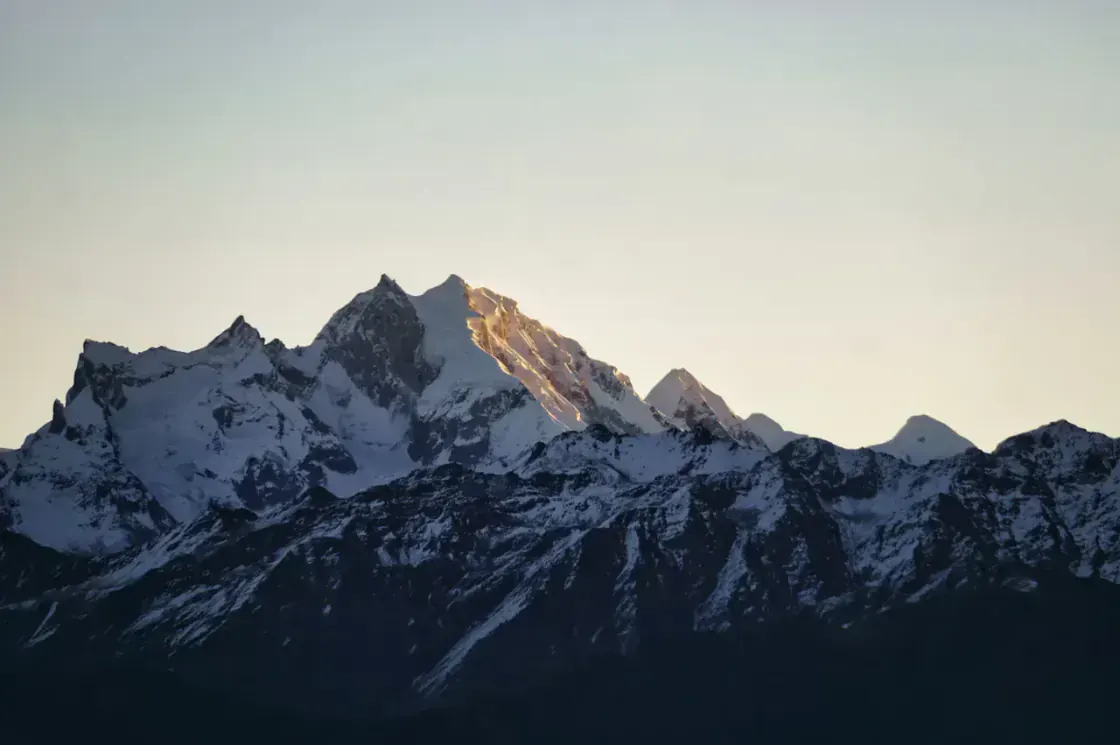
Far West Nepal
Api Base Camp Trek Guide
A remote far-west Nepal trek into the Api Himal area with basic logistics, quiet villages, wild mountain scenery, and a raw adventure feel far from the standard trekking corridors.
Region
Far West Nepal
Duration
10-15 days
Difficulty
Hard
Best season
Apr-Jun and Sep-Nov
Max altitude
Around 4,250 m at Api Base Camp
Route overview
How the Api Base Camp route usually flows.
Api Base Camp is normally planned through far-west Nepal with a long overland approach, often via Dhangadhi, Mahendranagar, or Darchula-side access depending on current roads.
The walking route moves through remote settlements, forest, river valleys, grazing areas, and high alpine terrain toward the Api Himal base area.
This is not a last-minute tea-house trek; guide support, local logistics, food planning, and transport buffers are central to the experience.
Day-by-day itinerary
A practical starting itinerary.
Treat this as a planning frame, then adjust for weather, fitness, guide advice, and available lodges.
Day 1
Lowland to hill transition
Kathmandu to far-west transit hub
Flight or long road connection
Reach Dhangadhi, Mahendranagar, or another practical staging point depending on transport plan.
Day 2
Variable
Travel toward Darchula side
Long jeep or bus journey
Expect a full road day with changing conditions and possible delays.
Day 3
1,000-1,800 m
Reach trailhead village
Roadhead transfer and preparation
Meet local support, confirm food, and prepare for remote walking days.
Days 4-6
2,000-3,000 m
Trek through lower valleys
Villages, forest, and river trails
Move gradually through quieter far-west landscapes with basic overnight stops.
Days 7-8
3,500-4,250 m
Approach Api Base Camp
High pasture and alpine terrain
Gain altitude carefully as facilities become more basic and weather more important.
Day 9
Around 4,250 m
Api Base Camp exploration
Base area and viewpoint time
Use the day for mountain views, rest, or a weather buffer rather than rushing the return.
Days 10-12
Variable
Return to trailhead
Descent through valleys
Retrace or use a local route variation depending on guide advice and conditions.
Days 13-15
Variable
Road return and onward travel
Far-west road connection
Keep generous buffer time for road delays before any domestic or international connection.
Permit Information
Api Nampa Conservation Area permit
Confirm current permit counters and requirements before departure; rules may differ from popular trekking regions.
Local trekking registration or guide paperwork
Remote-area logistics usually require local coordination, guide support, and current route checks.
Cost Expectation
Remote guided style: USD 70-140 per day
Guide, porter or local support, basic food planning, lodging/camping mix, and logistics.
Transport impact: USD 150-450+
Far-west road access, private jeep segments, and buffer days can shape the final budget.
Permit and supply buffer: Variable
Carry extra cash and confirm current permit costs, food availability, and local fees before starting.
Difficulty And Fitness
Api Base Camp suits experienced trekkers who are comfortable with long road access, basic facilities, uncertain trail conditions, and multi-day walking in remote terrain.
Best Time To Go
April-June can bring better high-country access and spring conditions. September-November is usually clearer after monsoon, but road and trail conditions still need checking.
Transport Access
Plan for a flight or long road journey to Nepal's far west, then multiple road segments toward the Darchula/Api Himal access area. Private jeep support can save time but does not remove the need for buffers.
Travel utility checklist
Api Base Camp trekking essentials
Use this as the reusable trek checklist for permits, transport, cost ranges, altitude, emergency planning, and official references.
Last verified: 2026-07-09
Permit Information
Api Nampa Conservation Area permit
Confirm current permit counters and requirements before departure; rules may differ from popular trekking regions.
Confirm current requirements with official sources or a licensed trekking agency before departure.
Local trekking registration or guide paperwork
Remote-area logistics usually require local coordination, guide support, and current route checks.
Confirm current requirements with official sources or a licensed trekking agency before departure.
Transport Options
Access
Plan for a flight or long road journey to Nepal's far west, then multiple road segments toward the Darchula/Api Himal access area. Private jeep support can save time but does not remove the need for buffers.
Estimated Costs
Remote guided style
USD 70-140 per day
Guide, porter or local support, basic food planning, lodging/camping mix, and logistics.
Transport impact
USD 150-450+
Far-west road access, private jeep segments, and buffer days can shape the final budget.
Permit and supply buffer
Variable
Carry extra cash and confirm current permit costs, food availability, and local fees before starting.
Emergency, Hospital And Altitude
Max altitude
Around 4,250 m at Api Base Camp
Fitness
Api Base Camp suits experienced trekkers who are comfortable with long road access, basic facilities, uncertain trail conditions, and multi-day walking in remote terrain.
Hospital information
Identify the nearest health post, HRA aid post, or evacuation plan before starting high-altitude sections
ATM, Internet And SIM
Cash planning
Carry enough cash after leaving the gateway town; ATM reliability is not guaranteed on trail
Internet and SIM
Expect mobile data and lodge Wi-Fi to vary by valley, altitude, weather, and power availability
Weather And Seasonal Notes
Best season
Apr-Jun and Sep-Nov
Best time detail
April-June can bring better high-country access and spring conditions. September-November is usually clearer after monsoon, but road and trail conditions still need checking.
Packing Tips
Core trek packing
Warm layers, rain shell, broken-in boots, sun protection, water treatment, headlamp, power bank, and offline permit copies
Safety notes
Use experienced local support; this is not a route to improvise alone. Carry more buffer days than popular treks because road, weather, and local logistics can shift quickly. Expect limited medical access, communications, and rescue options compared with Annapurna or Everest. Confirm food, fuel, cash, and overnight arrangements before leaving the roadhead.
Nearby Places
Api Nampa Conservation Area
Main destination guide for the far-west protected area and route context.
Khaptad National Park
Another far-west highland destination for broader regional planning.
Shuklaphanta National Park
Far-west wildlife stop that can pair with a longer western Nepal journey.
Travel warnings and verification notes
- Permit, guide, and route rules can change; confirm before paying for a fixed plan.
- Altitude illness can become serious. Do not ascend if symptoms worsen.
Official government and tourism references
Discover Nepal Hub explains the planning context and links out to official sources. It does not replace government or permit services.
Safety notes
Build safety into the plan before the trail starts.
Use experienced local support; this is not a route to improvise alone.
Carry more buffer days than popular treks because road, weather, and local logistics can shift quickly.
Expect limited medical access, communications, and rescue options compared with Annapurna or Everest.
Confirm food, fuel, cash, and overnight arrangements before leaving the roadhead.
Related places
Destination pages connected to this trek.
Place guide
Api Nampa Conservation Area
Main destination guide for the far-west protected area and route context.
Place guide
Khaptad National Park
Another far-west highland destination for broader regional planning.
Place guide
Shuklaphanta National Park
Far-west wildlife stop that can pair with a longer western Nepal journey.
Route planner
Connect Api Base Camp with the rest of your Nepal route.
Use the planner to compare arrival bases, recovery days, and nearby destination pages before fixing your schedule.